
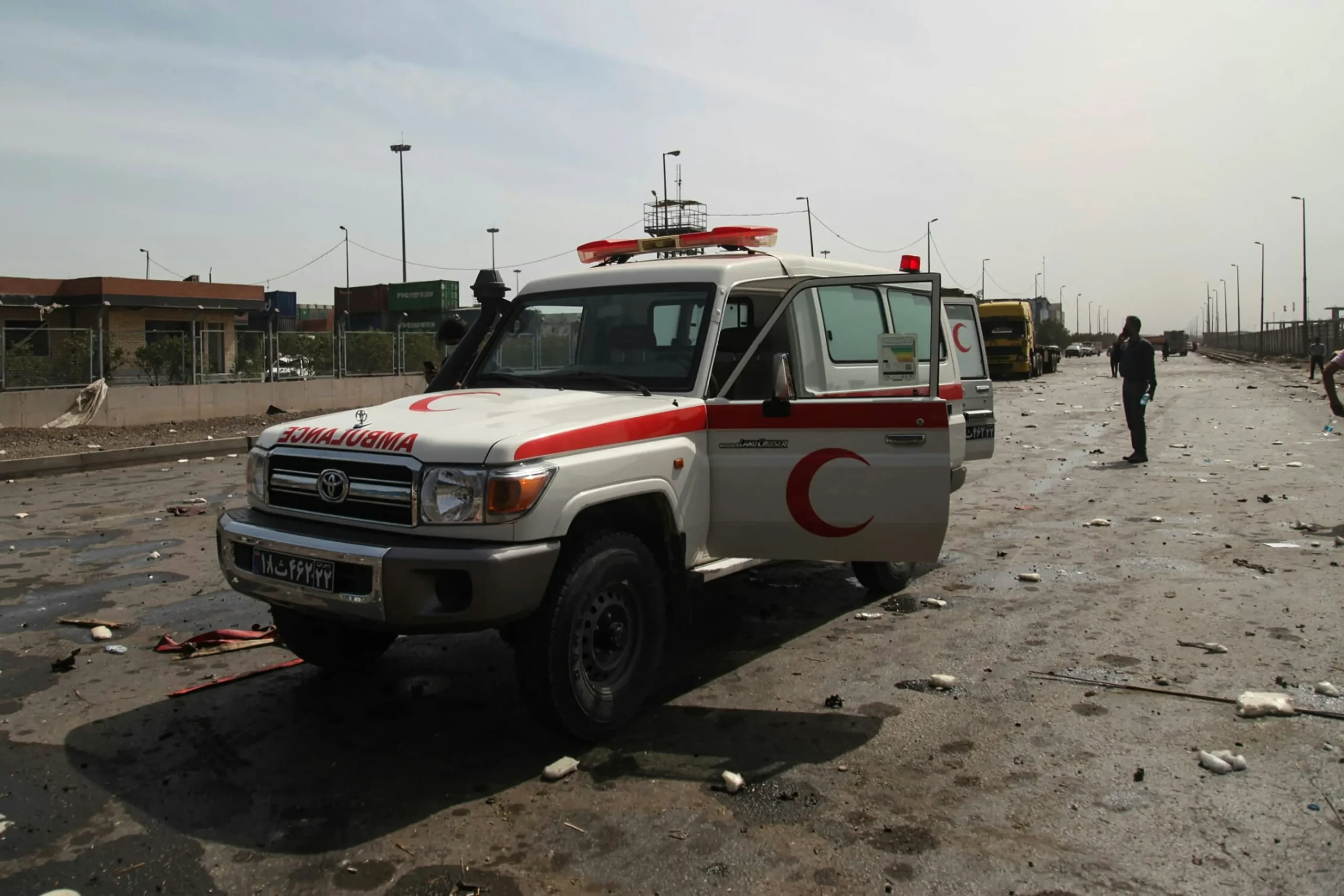
Iran, January 2026 — According to Brussels Morning Newspaper, a semi-official Iranian news agency has reported that dozens of emergency medical vehicles have been damaged or destroyed over recent days, placing renewed pressure on already stretched healthcare services. The reports that Iranian ambulances hit have quickly drawn domestic and international attention, highlighting the vulnerability of medical infrastructure during periods of unrest and insecurity. While independent verification remains limited, the scale of the reported damage has intensified debate about the protection of emergency responders and access to urgent care.
The claims come amid heightened tensions in several urban areas, where emergency call volumes have surged. Medical professionals warn that the loss of ambulances can significantly delay treatment for critical patients, compounding risks in densely populated cities where rapid response is essential.
Details Emerging From Semi-Official Reporting
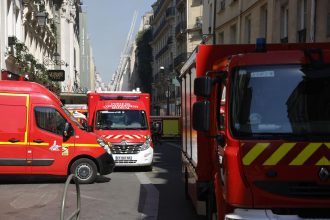
The semi-official agency stated that multiple ambulances were rendered unusable after sustaining damage while responding to emergency calls. Some vehicles were reportedly affected by fire, while others suffered structural damage that left them unable to operate safely. Officials cited logistical and financial challenges in replacing vehicles at short notice.
In this context, Iranian ambulances hit reflects more than isolated incidents. It points to a broader strain on emergency systems that rely on mobility, coordination, and speed. Emergency managers note that each damaged vehicle reduces coverage and increases pressure on remaining resources.
Emergency Medical Services Under Intensifying Pressure
Ambulances form the backbone of urban emergency response, bridging the gap between patients and hospitals. When fleets are reduced, response times lengthen and outcomes can worsen, particularly for trauma, cardiac emergencies, and severe injuries.
Medical experts stress that Iranian ambulances hit represents a disruption to life-saving chains of care. Even small reductions in fleet availability can have outsized effects during peak demand periods, forcing difficult triage decisions and increasing the burden on hospital emergency departments.
Frontline Healthcare Workers Voice Safety Concerns
Paramedics and emergency drivers often work in unpredictable conditions, navigating congestion, debris, and security risks. Reports of damaged ambulances have heightened anxiety among frontline staff, many of whom already face long hours and limited resources.
Professional associations argue that incidents described as Iranian ambulances hit underscore the need for clearer safety protocols and coordination to protect responders. They emphasize that medical personnel and vehicles should be shielded from harm regardless of broader circumstances.
Urban Centers Bear the Brunt
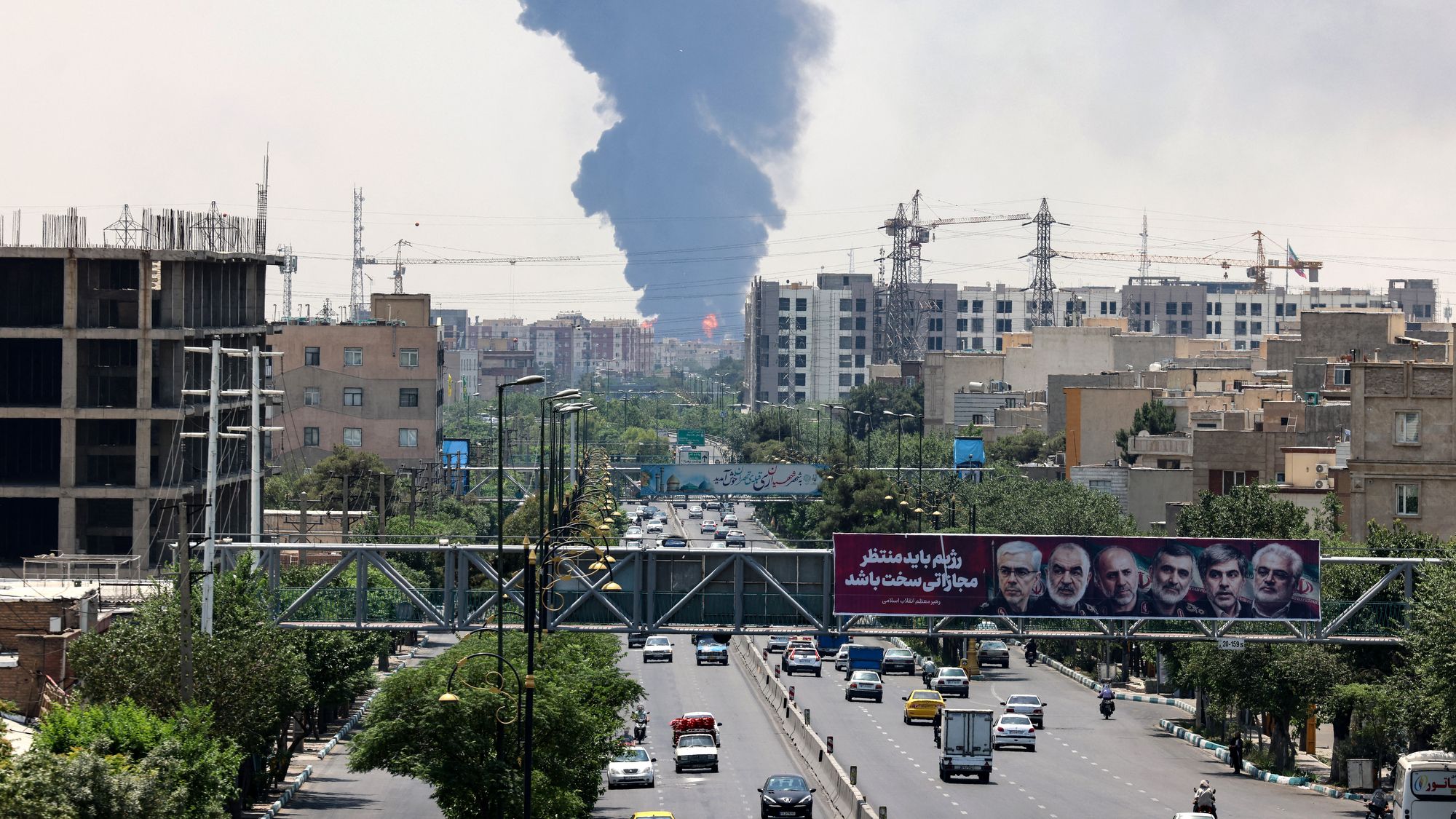
According to the agency, most of the reported damage occurred in large cities where emergency demand is highest. Dense populations, narrow streets, and intermittent disruptions complicate access for responders.
Observers warn that Iranian ambulances hit is particularly alarming in urban environments where hospitals depend heavily on rapid transport to manage patient flow. Any prolonged reduction in ambulance availability risks overwhelming facilities already operating near capacity.
Public Health Consequences and Systemic Risk
Public health analysts caution that sustained damage to emergency fleets can create cascading effects. Delayed transport can increase mortality rates, extend hospital stays, and strain intensive care units.
The reports that Iranian ambulances hit have prompted broader discussion about resilience within the healthcare system. Experts argue that redundancy, contingency planning, and rapid repair capacity are essential to maintaining service continuity during crises.
Institutional Response and Resource Allocation
Authorities have acknowledged challenges facing emergency medical services, though comprehensive figures have not been released. Officials said assessments are ongoing to determine the full extent of the damage and to prioritize repairs or redeployment of remaining vehicles.
As policymakers respond, Iranian ambulances hit has become a focal point in debates about safeguarding essential services. Ensuring uninterrupted medical response is widely viewed as a core responsibility, even amid security pressures.
International Humanitarian Norms and Medical Neutrality
International humanitarian principles emphasize the protection of medical personnel, facilities, and vehicles. Damage to ambulances often raises concern among global health organizations, particularly when access to care is compromised.
Humanitarian observers say the issue of Iranian ambulances hit highlights the importance of reinforcing norms that protect healthcare infrastructure, regardless of political or security contexts. Medical neutrality remains a cornerstone of international standards.
Community Reaction and Public Anxiety
Residents in affected areas expressed concern about reduced emergency coverage. Social media images of damaged vehicles circulated widely, intensifying public awareness and anxiety about access to urgent care.
For many citizens, Iranian ambulances hit has become symbolic of broader fears regarding essential services. Community leaders have called for calm while urging authorities to restore capacity as quickly as possible.
Verification Challenges and Information Gaps
As with many reports emerging during periods of unrest, verification remains difficult. Independent confirmation of the number of vehicles damaged has been limited, reflecting challenges in information flow.
Nevertheless, repeated references to Iranian ambulances hit have kept the issue prominent in public discussion, prompting calls for transparency and detailed assessments from responsible institutions.
One Medical Perspective
One emergency physician told local media,
“When ambulances are damaged, the real cost is paid by patients who cannot reach care in time.”
The comment encapsulates concern shared across the medical community.
Operational Recovery and Fleet Replacement
Replacing ambulances involves procurement, customization, and training, processes that can take months. In the interim, services may rely on repairs, reallocation, or temporary solutions.
Experts note that addressing Iranian ambulances hit requires both immediate action to restore capacity and longer-term planning to improve fleet resilience against future disruptions.
Protective Measures and Risk Reduction
Specialists suggest enhanced protective measures for emergency vehicles, improved route planning, and closer coordination with local authorities to reduce exposure to risk. Training responders for high-stress environments is also emphasized.
The recurrence of incidents described as Iranian ambulances hit underscores the need for proactive strategies rather than reactive fixes.
Economic Constraints and Healthcare Funding
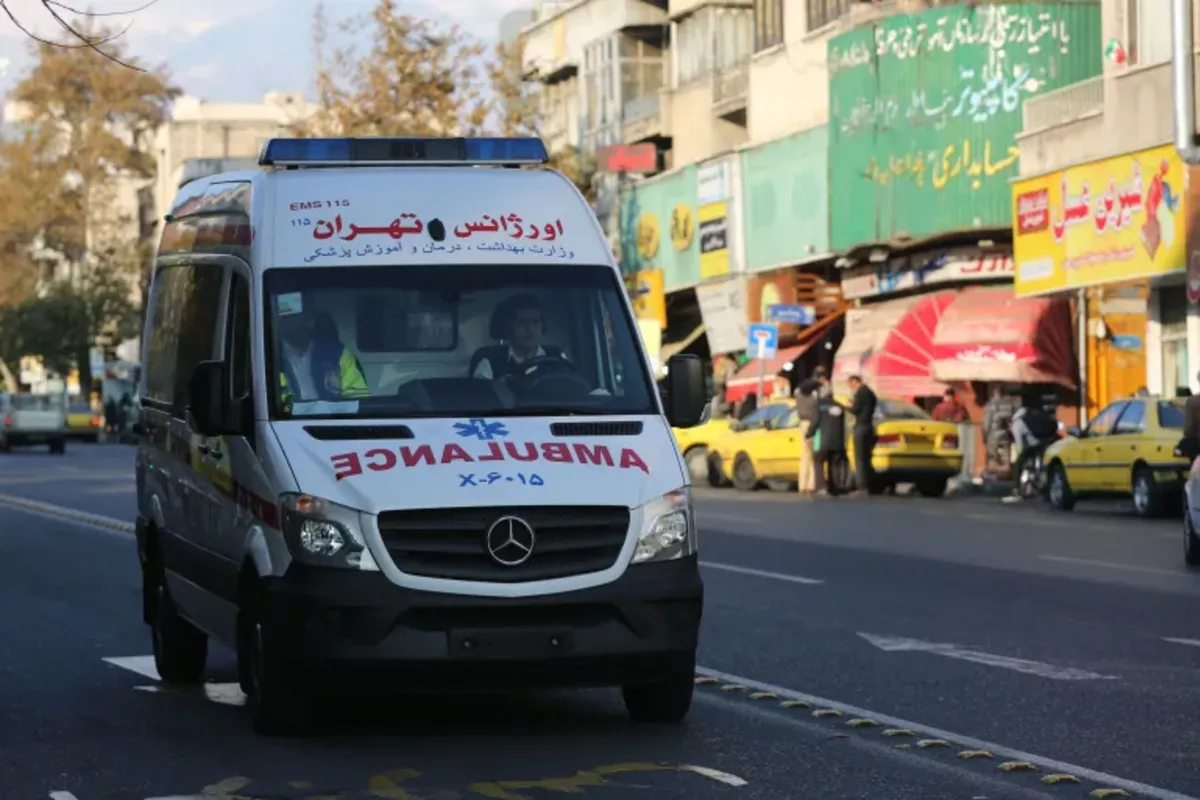
Ambulance fleets represent significant investment, and damage carries financial implications. Budgetary pressures can delay replacement and maintenance, prolonging service gaps.
Analysts say the reports of Iranian ambulances hit also highlight how economic constraints intersect with healthcare delivery, complicating recovery efforts during periods of instability.
Emergency Preparedness Beyond Natural Disasters
Emergency planning often focuses on earthquakes, floods, or mass casualty incidents, but civil unrest presents distinct challenges. Mobility, access, and safety become critical variables.
Within this framework, Iranian ambulances hit illustrates the importance of adaptable preparedness models that account for diverse risk scenarios.
Media Coverage and Public Debate
Coverage of the reports has varied in emphasis, with some outlets focusing on humanitarian implications and others on security dynamics. Public debate has centered on accountability, prevention, and the protection of medical services.
Brussels Morning Newspaper analysis stresses the importance of balanced reporting that situates Iranian ambulances hit within a broader context of healthcare resilience and public safety.
Long-Term Implications for Health Systems
Repeated disruption to emergency transport can erode public trust in healthcare systems. Confidence in timely care is essential to social stability, particularly in urban settings.
Experts argue that incidents described as Iranian ambulances hit should prompt sustained investment in resilience, communication, and coordination to preserve trust and capacity.
Training, Coordination, and Institutional Learning
Each incident provides lessons for emergency planners. Improved coordination between medical services, local authorities, and communities can reduce risk and improve response.
Strengthening institutional learning around Iranian ambulances hit is seen as critical to preventing recurrence and improving outcomes.
Regional Context and Comparative Experience
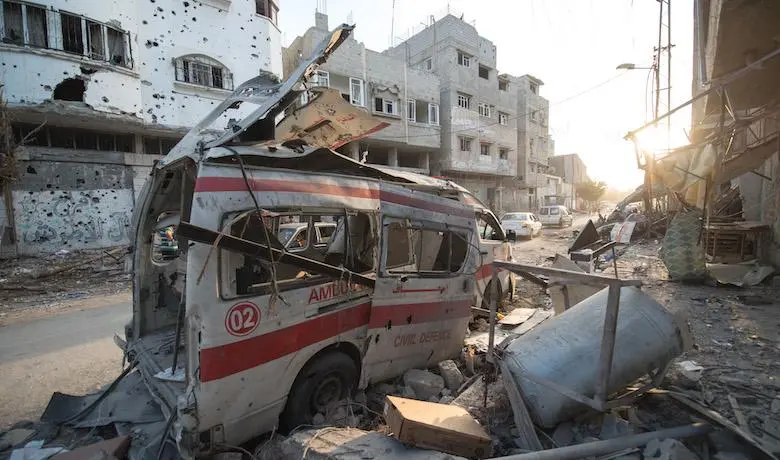
Other countries experiencing unrest have faced similar challenges in protecting emergency services. Comparative analysis suggests that clear protocols and community engagement can mitigate risk.
In this regard, Iranian ambulances hit forms part of a wider global discussion about safeguarding healthcare infrastructure in volatile environments.
Ethical Dimensions and Medical Duty
Healthcare workers operate under ethical obligations to provide care regardless of circumstance. Ensuring their safety is an ethical imperative as well as a practical one.
The reports that Iranian ambulances hit raise questions about how societies balance security concerns with the moral duty to protect those delivering life-saving care.
Community Support and Volunteer Response
In some areas, community volunteers have assisted by clearing routes or providing first aid when ambulances were delayed. Such efforts highlight resilience at the grassroots level.
However, reliance on ad hoc solutions underscores the seriousness of Iranian ambulances hit and the need for systemic fixes.
Looking Ahead: Building Resilient Emergency Services
As assessments continue, attention is shifting toward long-term solutions. Investment in fleet resilience, diversified transport options, and enhanced protection measures are among proposals under discussion.
Addressing Iranian ambulances hit effectively will require coordination across sectors, sustained funding, and commitment to protecting healthcare access under all conditions.
When Emergency Lifelines Are Damaged, Health Systems Are Tested
The reports of damaged emergency vehicles have brought renewed focus to the fragility of medical response systems during periods of unrest. While details continue to emerge, the implications are clear: protecting ambulances is essential to safeguarding lives.
According to Brussels Morning Newspaper analysis, the issue of Iranian ambulances hit extends beyond immediate damage to questions of preparedness, resilience, and public trust. As authorities work to restore capacity and prevent recurrence, the experience underscores a universal lesson: when emergency lifelines are compromised, the consequences reach far beyond the vehicles themselves.