DOHA, QATAR – March 29, 2026 (Brussels Morning Newspaper) US embassy alert Qatar has intensified global attention after the diplomatic mission announced reduced services and issued a heightened safety advisory to American citizens in Doha. The advisory reflects growing concerns tied to regional instability, prompting officials to urge vigilance and preparedness among residents and travelers.
The US embassy alert Qatar underscores a precautionary approach, with officials emphasizing that while no immediate threat has been confirmed, evolving geopolitical conditions require heightened awareness. Citizens have been encouraged to stay informed through official channels and to adopt safety measures as a proactive step.
Why the Embassy Scaled Back Operations
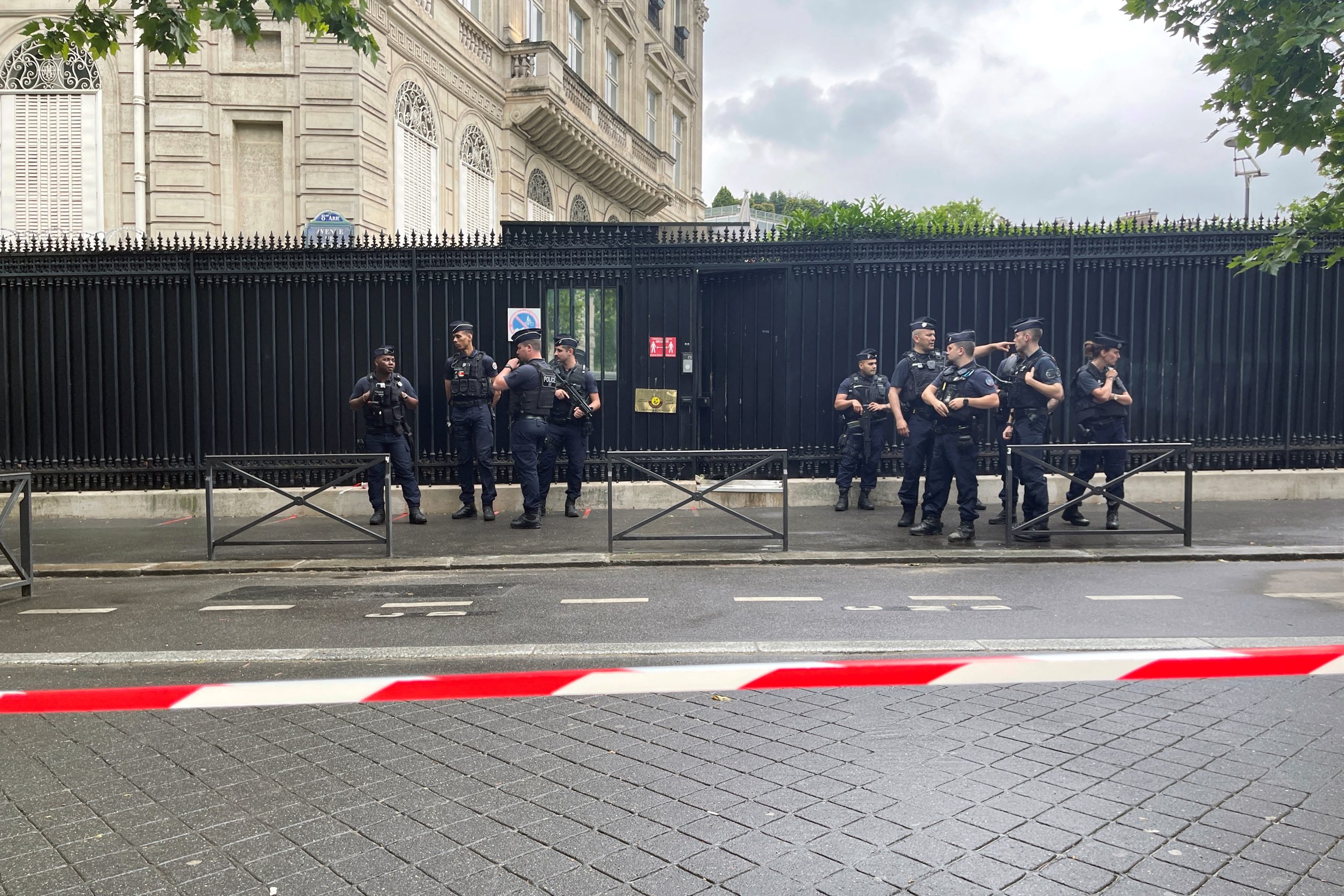
The US embassy alert Qatar comes alongside a temporary reduction in non essential services, including visa processing and public access operations. Such measures are often implemented when intelligence agencies identify elevated risks or potential threats that could impact diplomatic facilities or citizens.
Officials explained that reducing services allows the embassy to focus on core functions while minimizing exposure to potential risks. This approach is consistent with global diplomatic security protocols during periods of uncertainty.
Security experts note that embassies frequently act on intelligence assessments that are not always made public, reinforcing the importance of taking such advisories seriously without causing unnecessary alarm.
Urgent Safety Measures for Citizens
As part of the US embassy alert Qatar, citizens have been advised to implement safety precautions that include limiting movement, avoiding crowded areas, and identifying safe shelter locations.
Preparedness remains the central message of the advisory. Individuals are encouraged to maintain emergency kits, ensure communication devices are fully charged, and remain connected to official updates.
A security official stated,
“Preparedness is not panic it is a responsible response to uncertainty.”
Understanding the Duck and Cover Advisory
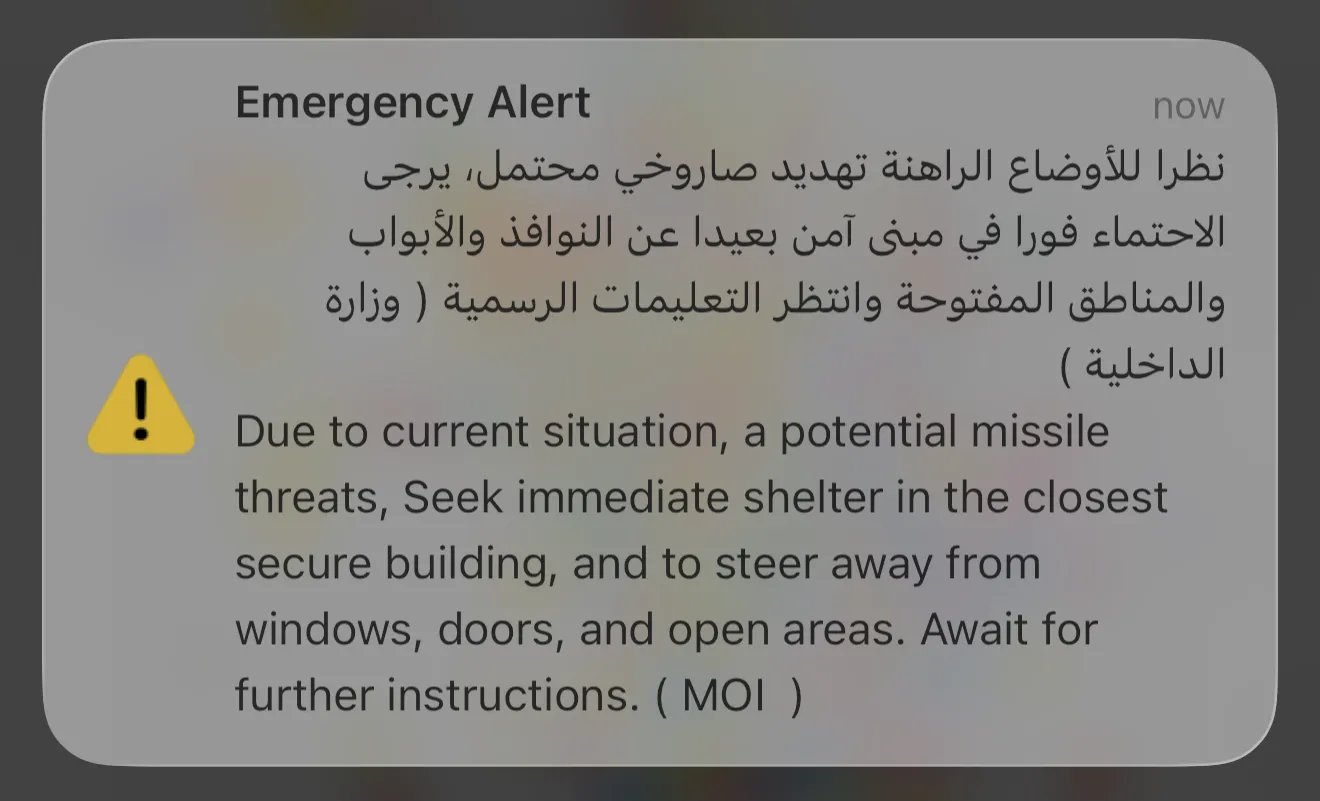
The US embassy alert Qatar includes guidance that references duck and cover, a term associated with immediate protective actions during sudden emergencies. While the phrase may sound alarming, it is used to ensure individuals understand how to respond quickly in case of unexpected incidents.
Experts clarify that such instructions are precautionary and reflect a readiness strategy rather than confirmation of a specific threat. The goal is to minimize risk by encouraging rapid and effective responses if needed.
Daily Life in Doha Remains Stable
Despite the US embassy alert Qatar, daily life in Doha continues without major disruptions. Businesses, schools, and public institutions remain operational, and there have been no reports of widespread panic.
However, there is an increased sense of awareness among residents, particularly within expatriate communities. Some organizations have begun reviewing safety procedures and advising employees to remain vigilant.
Qatari authorities have reiterated that the country remains secure and that all necessary measures are in place to ensure public safety.
Regional Tensions Driving the Advisory
The US embassy alert Qatar is closely tied to broader geopolitical developments across the Middle East. Ongoing conflicts, strategic rivalries, and shifting alliances have created a complex security environment.
Analysts point to multiple factors contributing to the heightened alert, including regional disputes and international involvement. While Qatar maintains a neutral diplomatic stance, its strategic location places it within a sensitive geopolitical landscape.
Another analyst noted,
“Even nations that are not directly involved in conflicts must remain vigilant due to the interconnected nature of regional dynamics.”
How Governments Respond to Rising Threat Levels
The US embassy alert Qatar highlights the mechanisms governments use to respond to potential security threats. Diplomatic missions rely on intelligence, coordination with host nations, and risk assessments to determine appropriate actions.
Reducing services and issuing advisories are common strategies designed to protect citizens while maintaining essential operations. These steps are often temporary and subject to change as situations evolve.
Understanding these measures helps citizens interpret advisories accurately and respond appropriately.
Global Reactions and Diplomatic Signals
The US embassy alert Qatar has drawn attention from governments, analysts, and global organizations. Such advisories often serve as indicators of underlying concerns within the international community.
Travel industries, multinational companies, and diplomatic networks are closely monitoring developments. While no immediate disruptions have been reported, the advisory may influence risk assessments and operational decisions.
Previous Embassy Alerts in the Region
Historically, situations like the US embassy alert Qatar have occurred during periods of heightened tension across the Middle East. Past embassy advisories have often been precautionary, aimed at protecting citizens before risks escalate into real incidents.
In previous years, diplomatic missions across the region have reduced services and issued warnings during conflicts or rising tensions. These actions did not always lead to direct threats but were part of a broader strategy to maintain safety.
This historical context helps explain why such advisories should be taken seriously, even when immediate danger is not evident.
What Citizens Should Do Moving Forward
With the US embassy alert Qatar in effect, citizens are encouraged to remain calm and follow official guidance. Key steps include staying informed, preparing emergency supplies, and avoiding unnecessary risks.
Authorities emphasize that vigilance and cooperation are essential in maintaining safety. Individuals should rely on verified information and avoid spreading unconfirmed reports.
A Defining Moment of Vigilance in a Shifting World
The US embassy alert Qatar reflects a broader reality of global uncertainty, where even stable regions must prepare for unexpected developments. While there is no confirmed immediate threat, the advisory highlights the importance of awareness and readiness.
As geopolitical tensions continue to evolve, the ability to stay informed and respond responsibly becomes increasingly critical. Citizens, governments, and institutions all play a role in maintaining stability during uncertain times.