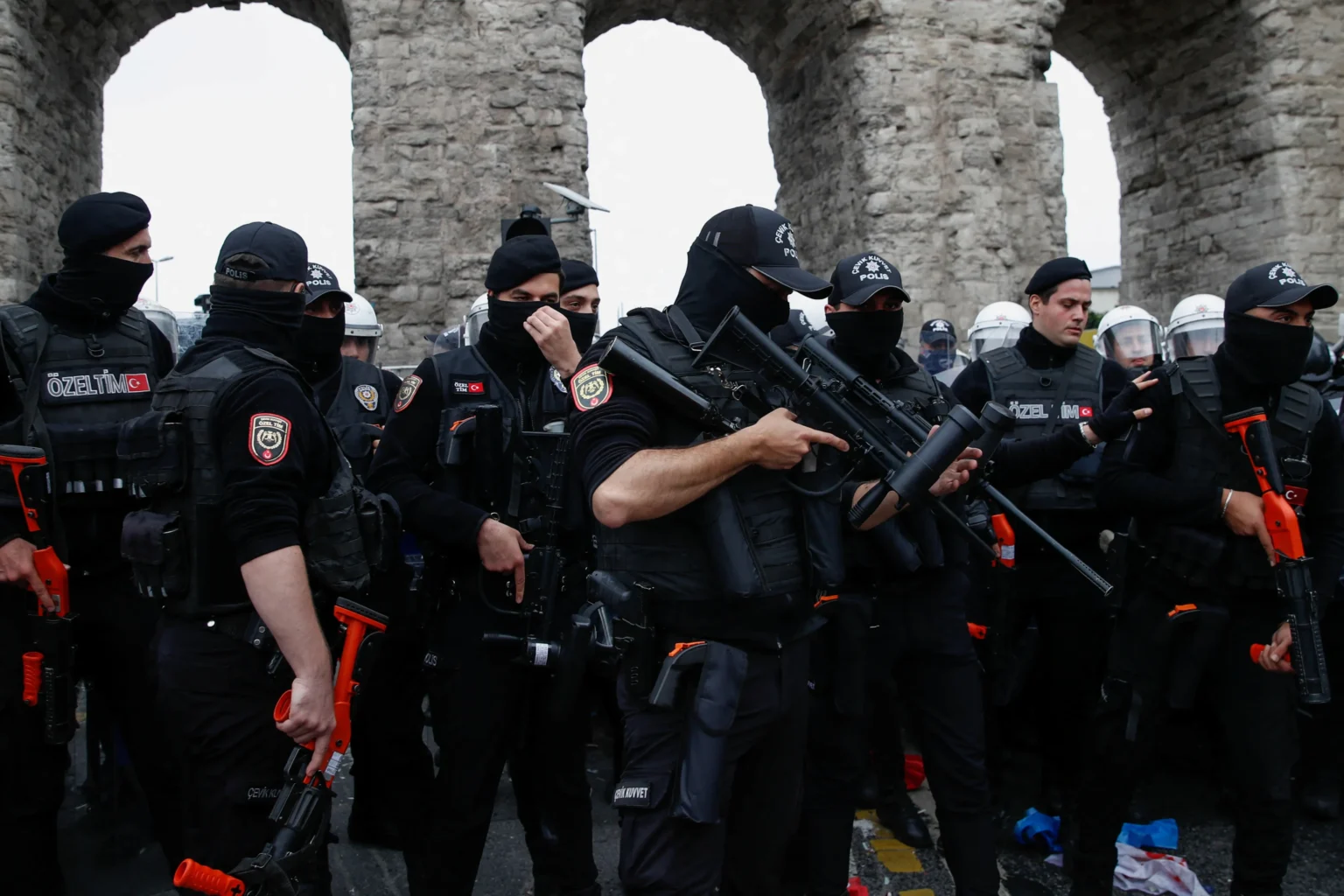
Turkiye, January 2026 — According to Brussels Morning Newspaper, security forces in Istanbul moved decisively to prevent a planned demonstration by Iranian nationals outside Iran’s consulate, underscoring the central role of Turkish police security in managing politically sensitive gatherings in one of Europe’s largest cities. The incident unfolded in a busy district where diplomatic buildings, commercial streets, and residential areas intersect, placing public safety and diplomatic obligations at the forefront of official decision-making.
Authorities cited legal requirements and security assessments as the basis for their action, stressing that demonstrations near diplomatic missions require prior authorization and enhanced oversight. The response was calm, highly visible, and carefully coordinated, reflecting a broader strategy that prioritizes prevention and de-escalation rather than confrontation. No injuries were reported, and demonstrators dispersed following police instructions, allowing daily life in the surrounding area to continue largely uninterrupted.
A High-Security Environment in a Global City
Istanbul occupies a unique position as both a global metropolis and a hub of diplomatic activity. Dozens of consulates, international offices, and foreign representations operate within its densely populated neighborhoods. This reality places constant demands on Turkish police security, which must balance the right to peaceful expression with the obligation to protect diplomatic premises under international law.
Security officials note that protests near consulates are treated differently from other public gatherings due to their symbolic and strategic significance. Even small demonstrations can attract heightened attention, create congestion, or become focal points for tension. In this case, police planning focused on early intervention to avoid escalation rather than reacting to developments after crowds had formed.
Legal Framework Governing Demonstrations
Turkiye’s laws regulating public assembly require organizers to notify authorities in advance and to comply with designated locations approved for demonstrations. Additional restrictions apply to areas surrounding embassies and consulates, reflecting Turkiye’s responsibilities under the Vienna Convention on Diplomatic Relations.
Legal experts explain that Turkish police security actions in such cases are rooted in statute rather than discretion. The goal is to ensure predictability, safety, and consistency. Authorities emphasized that the decision to prevent the protest at the consulate did not constitute a ban on expression, but rather a location-based restriction tied to legal and security considerations.
Early Deployment and Crowd Management
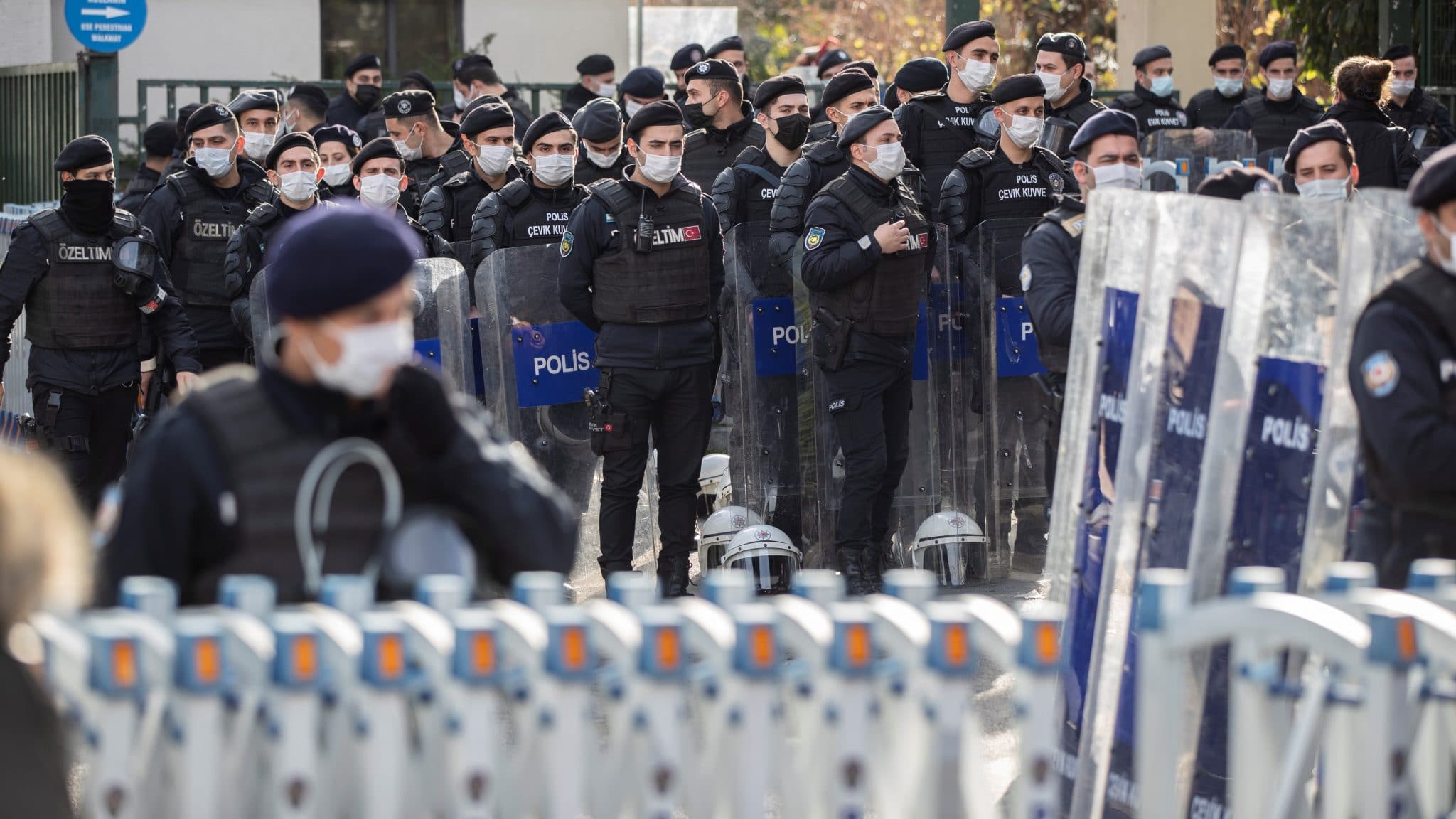
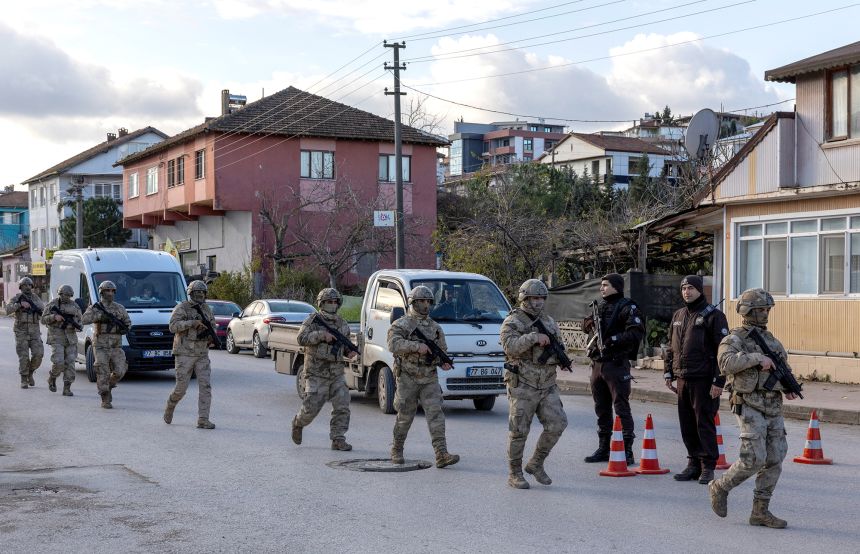
Police units were deployed hours before the planned gathering, setting up barriers and monitoring access points around the consulate. Officers communicated directly with would-be demonstrators, explaining the legal basis for the restriction and encouraging peaceful dispersal.
Crowd management specialists say this approach reflects modern Turkish police security doctrine, which prioritizes visibility, communication, and proportional response. By acting early and maintaining open dialogue, officers reduced the likelihood of frustration escalating into confrontation.
Diaspora Activism and Symbolic Spaces
Diaspora communities often view consulates as powerful symbols of political authority, making them natural focal points for protest. Istanbul’s sizable Iranian community has, in recent years, become more politically active, reflecting broader regional developments.
Community representatives acknowledged that while consulates hold symbolic value, local laws govern how and where protests can occur. As Turkish police security limits access to such sensitive sites, activists may increasingly turn to alternative venues that allow visibility without triggering legal or security concerns.
Public Reaction in the Surrounding District
Residents and business owners in the area responded positively to the calm handling of the situation. Many noted that heavy foot traffic and tourism are daily features of the neighborhood, making proactive security measures essential.
Local shopkeepers said the visible police presence reassured customers and prevented disruption. For many, the incident highlighted how Turkish police security operates not only to manage protests, but also to protect the rhythms of everyday urban life.
Diplomatic Sensitivities and Regional Context
Turkiye maintains diplomatic relations with a wide range of countries, often navigating complex regional dynamics. Preventing protests at foreign consulates can help Ankara avoid diplomatic friction, particularly when demonstrations involve citizens of another state.
Analysts say Turkish police security plays a quiet but crucial role in this balancing act. By enforcing domestic law consistently, authorities aim to signal neutrality and professionalism, reducing the risk that isolated incidents escalate into bilateral issues.
International Comparisons and Best Practices
Restrictions on protests near diplomatic missions are not unique to Turkiye. Many European capitals impose similar limitations, designating specific protest zones away from embassies and consulates.
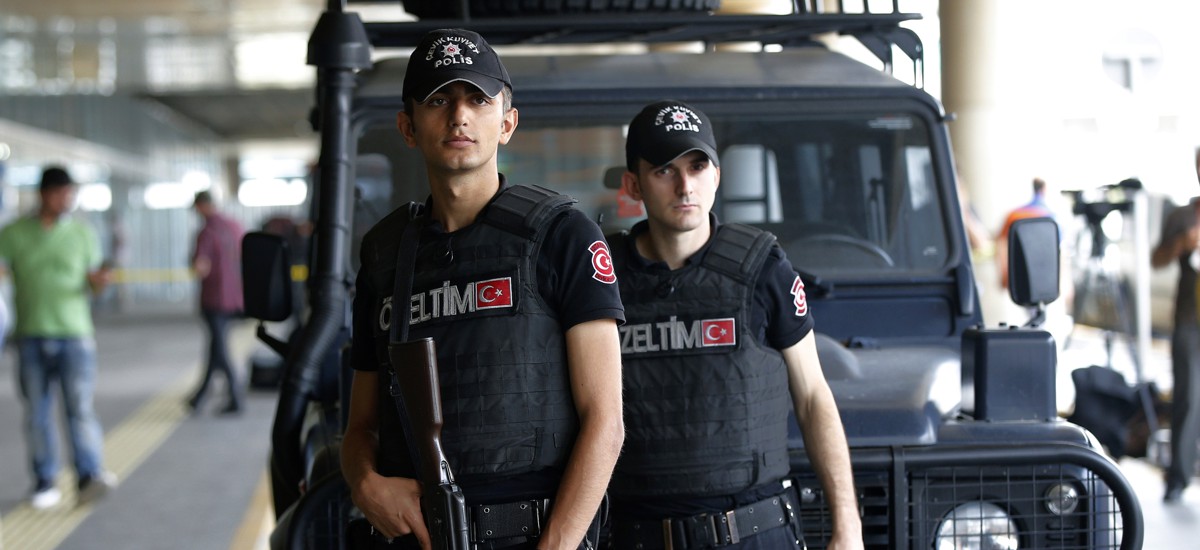
Observers familiar with international policing standards note that Turkish police security practices in Istanbul align closely with those seen in cities such as Paris, Berlin, and London. Early engagement, clear communication, and proportional enforcement are widely regarded as best practices in managing sensitive demonstrations.
Technology and Urban Policing
Modern policing in Istanbul increasingly relies on technology to support situational awareness. Surveillance cameras, traffic monitoring systems, and real-time communication tools allow authorities to assess risks quickly and allocate resources efficiently.
Officials say these tools enhance Turkish police security by enabling rapid response without resorting to excessive force. In the consulate incident, technology supported planning and coordination, helping officers manage the situation with minimal disruption.
One Official Perspective
A local security official said,
“Our priority is to protect diplomatic premises and public safety while allowing lawful expression wherever possible.”
The comment reflects the guiding principle behind the operation and the broader approach taken by Istanbul’s security services.
Balancing Rights and Responsibilities
Turkiye’s constitution guarantees freedom of expression and assembly, but these rights coexist with responsibilities related to public order and international obligations. Striking the right balance is an ongoing challenge, particularly in a city as dynamic as Istanbul.
Experts argue that Turkish police security decisions are most effective when they are predictable, transparent, and communicated clearly. In this case, advance deployment and dialogue helped ensure compliance without confrontation.
Economic and Social Considerations
Large cities depend on stability to sustain economic activity. Disruptions near diplomatic districts can affect tourism, commerce, and transportation. Authorities factor these considerations into security planning.
By preventing congestion and potential incidents, Turkish police security contributes indirectly to economic continuity. Business associations in the area welcomed the measured response, noting that it allowed daily operations to continue uninterrupted.
Media Coverage and Public Perception
Coverage of the incident varied across domestic and international media. Some outlets focused on restrictions placed on protesters, while others emphasized security and legal context.
Brussels Morning Newspaper analysis highlights the importance of nuanced reporting that considers both rights and responsibilities. Understanding the role of Turkish police security requires attention to legal frameworks, urban realities, and diplomatic obligations rather than isolated events.
Urban Security in a Changing Environment
Istanbul’s security landscape continues to evolve in response to regional instability, migration flows, and global trends. Authorities regularly review protocols to adapt to new challenges.
Security planners say Turkish police security must remain flexible, capable of responding to both spontaneous gatherings and planned demonstrations. Training in de-escalation and communication is increasingly emphasized alongside traditional enforcement skills.
Implications for Future Demonstrations
The consulate incident is likely to influence how future protests are organized in Istanbul. Activists may engage earlier with authorities to secure permits and identify approved locations.
As Turkish police security remains stringent around diplomatic sites, alternative public spaces may gain prominence as venues for political expression. This shift could reshape the geography of protest in the city.
Civil Society and Dialogue
Civil society organizations stress the importance of dialogue between authorities and activist groups. Early communication can help avoid misunderstandings and ensure that demonstrations proceed lawfully.
Some groups have called for clearer public guidance on protest regulations. Enhanced transparency, they argue, would strengthen trust in Turkish police security and reduce friction during sensitive events.
Training and Professional Standards
Turkish police receive specialized training in crowd control, human rights, and diplomatic protection. International cooperation and exchanges with European counterparts contribute to evolving standards.
Officials say ongoing training is essential to maintaining effective Turkish police security in a complex urban environment. Lessons learned from each operation inform future planning and protocol updates.
The Broader Diplomatic Picture
Beyond immediate security concerns, the handling of protests near consulates sends signals to the international community. Professional, lawful responses reinforce Turkiye’s image as a state committed to international norms.
Analysts note that Turkish police security actions often go unnoticed when successful, precisely because they prevent incidents from escalating into crises. This quiet effectiveness is a key feature of modern diplomatic policing.
Public Safety as a Shared Interest
Authorities emphasize that security measures are designed to protect everyone involved, including protesters, diplomats, residents, and visitors. Preventing gatherings at high-risk sites reduces the likelihood of harm.
From this perspective, Turkish police security is framed as a collective good rather than a restriction. Clear rules and consistent enforcement help create a safer environment for all.
Looking Ahead
As Istanbul continues to host diverse communities and international missions, managing public expression will remain a complex task. Authorities are expected to refine strategies that balance openness with vigilance.
The consulate incident illustrates how Turkish police security functions as a stabilizing force in moments of potential tension. Through planning, communication, and restraint, officials aim to prevent incidents before they escalate.
Security, Law, and Urban Life
The prevention of a protest outside Iran’s consulate in Istanbul offers a window into the challenges of urban security in a global city. It demonstrates how law, diplomacy, and public order intersect in everyday policing decisions.
According to Brussels Morning Newspaper analysis, the measured response reflects a broader commitment to stability and professionalism. As debates over public expression continue, Turkish police security will remain central to how Istanbul navigates the delicate balance between civic rights and international responsibility.