
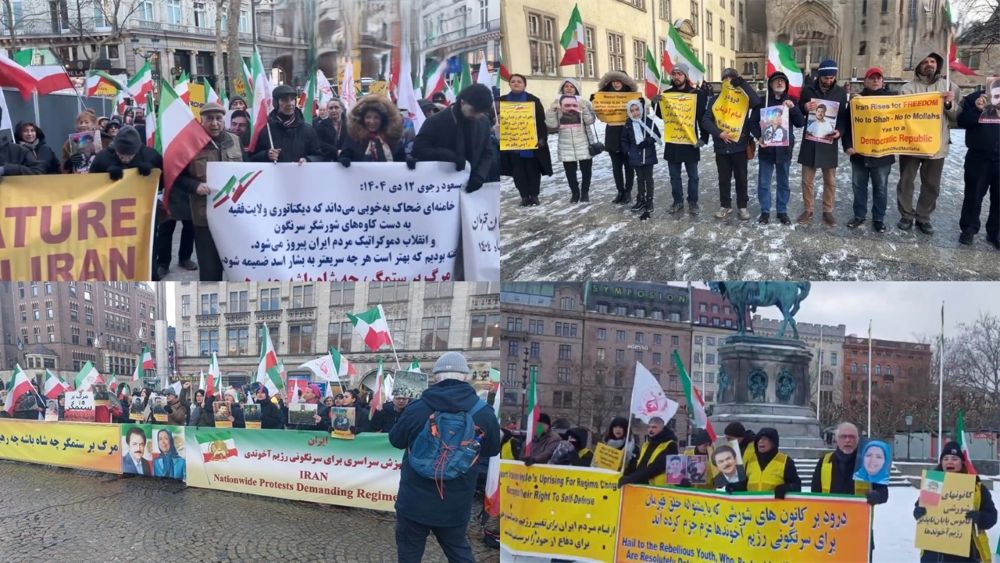
Iran, January 2026 — According to Brussels Morning Newspaper, that Iran is witnessing one of the most politically introspective periods in its recent history as nationwide protests continue to unfold across major cities. What began as demonstrations driven by economic pressure and social frustration has evolved into a wider national discussion about governance, legitimacy, and political identity. Within this expanding conversation, the monarchy debate Iran has re-emerged as a reference point for reflection rather than a unified political demand.
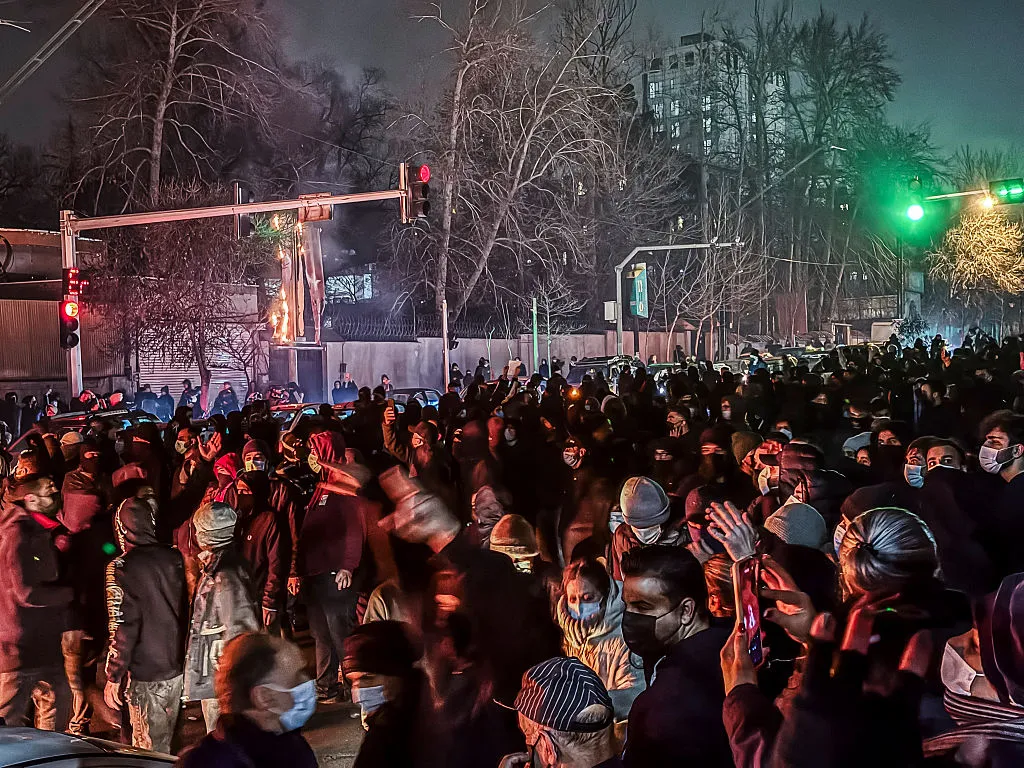
Protest gatherings in Tehran, Isfahan, Shiraz, Mashhad, and other urban centers reflect a society questioning long-standing assumptions. Citizens from diverse backgrounds are engaging in public dialogue about Iran’s past and future, bringing previously sensitive topics into open view. While calls for reform and accountability remain central, historical narratives have resurfaced as Iranians search for context and meaning during a period of sustained uncertainty.
A Movement Defined by Diversity Rather Than Leadership
Unlike previous periods of unrest, the current protest movement lacks a single organizational center or dominant leadership figure. Instead, it represents a decentralized expression of frustration shaped by years of economic strain, limited opportunity, and restricted civic space. Students, professionals, workers, artists, and retirees appear side by side in public demonstrations, unified by shared concerns rather than ideology.
Within this environment, the monarchy debate Iran exists as one thread among many. Some protesters reference it symbolically, others critically, and many remain indifferent to it altogether. Its presence highlights the breadth of dissatisfaction rather than a collective endorsement of any specific alternative system.
Historical Memory Returns to the Public Sphere
Iran’s monarchical past remains one of the most contested chapters in the country’s modern history. Supporters associate it with modernization and global engagement, while critics recall political repression and social inequality. For decades, official narratives largely framed this period in narrow terms, limiting open discussion.
Today, younger generations are encountering alternative historical perspectives through social media, digital archives, and diaspora discourse. This exposure has reignited public curiosity and debate, allowing the monarchy debate Iran to function as a broader examination of how history shapes political expectations.
Exiled Voices and International Attention
As global media coverage intensifies, exiled Iranian figures have gained renewed visibility. Among them is Reza Pahlavi, who has consistently framed his public role as supportive rather than directive. His statements emphasize peaceful change, national unity, and democratic choice over restoration or inheritance.
This positioning has influenced how the monarchy debate Iran is understood internationally, presenting it less as a revivalist movement and more as part of a wider discussion about representation and transition during periods of political flux.
Diaspora Communities Extend the Conversation
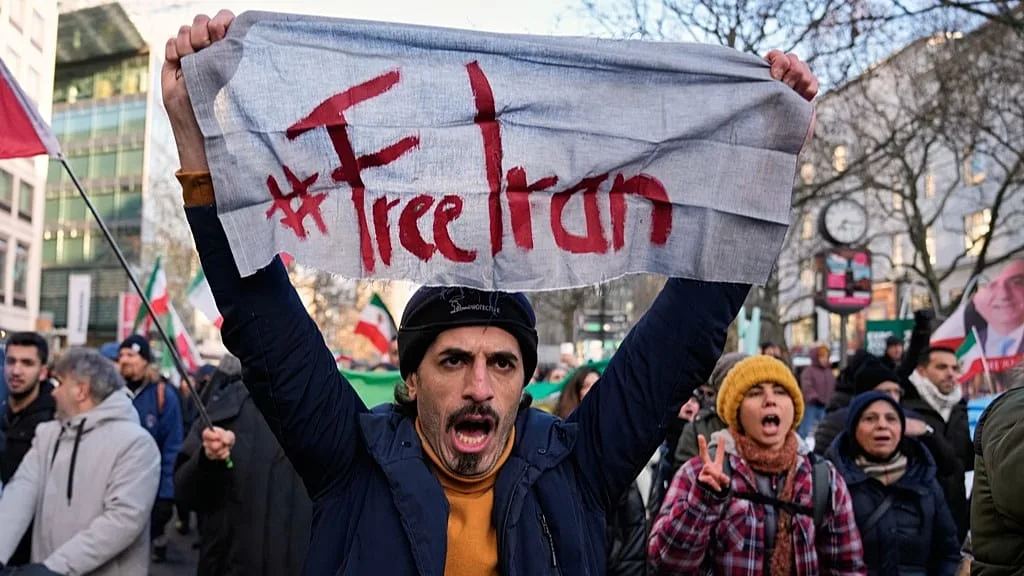
Iranian diaspora communities across Europe, North America, and beyond have actively engaged with events unfolding inside the country. Public rallies, panel discussions, and advocacy efforts have amplified protest messages while reflecting the emotional complexity of exile.
Through these activities, the monarchy debate Iran has reached international audiences, shaping perceptions among policymakers, journalists, and civil society groups. This global dimension has added visibility while also complicating interpretations of domestic sentiment.
Digital Media and Competing Narratives
Social media platforms play a central role in shaping contemporary political discourse in Iran. Despite restrictions, citizens share footage, commentary, and historical material through encrypted channels and alternative networks. These digital spaces allow ideas to circulate rapidly across borders and generations.
Within this online environment, the monarchy debate Iran competes with republican, reformist, and grassroots narratives. While digital engagement can amplify polarization, it also enables nuanced discussion that challenges official messaging and simplified external portrayals.
Youth Perspectives and Political Reimagination
Young Iranians make up a significant share of those participating in or supporting protests. Many face limited job prospects, rising living costs, and social constraints that shape their political outlook. Their engagement is often pragmatic rather than ideological, driven by lived experience rather than allegiance to past systems.
For this generation, the monarchy debate Iran often represents a willingness to question entrenched structures rather than an endorsement of historical governance. It functions as a symbolic space for reimagining authority, accountability, and civic participation.
Official Silence and Narrative Management
State authorities have largely avoided direct engagement with discussions about alternative governance models. Official messaging emphasizes stability, continuity, and resistance to foreign influence, while focusing on maintaining public order.
This silence has allowed the monarchy debate Iran to persist in informal spaces, shaped by citizen discourse rather than institutional framing. The absence of official acknowledgment underscores the growing gap between public conversation and state narratives during moments of unrest.
Economic Pressure as a Catalyst for Debate
Economic hardship remains a central driver of public dissatisfaction. Inflation, unemployment, housing costs, and the long-term impact of sanctions have eroded confidence in economic security. These pressures cut across social and ideological lines, uniting diverse groups in shared frustration.
Such conditions encourage reflection on governance and policy, creating space for historical comparison. In this context, the monarchy debate Iran emerges less from nostalgia and more from a search for explanation and accountability amid prolonged hardship.
Cultural Expression and National Identity
Protest spaces have become arenas for symbolic expression. Flags, slogans, music, and historical references appear alongside calls for reform, reflecting a negotiation over identity and belonging. These symbols help participants articulate continuity and aspiration during uncertain times.
Through this symbolic language, the monarchy debate Iran becomes part of a wider conversation about national memory and collective direction, rather than a narrowly defined political program.
International Observation and Strategic Restraint
Foreign governments and analysts continue to monitor developments closely. While few anticipate immediate structural change, sustained protests are widely recognized as indicators of deeper societal tension. Diplomatic responses typically emphasize human rights and restraint, avoiding endorsement of specific opposition narratives.
Within policy circles, references to the monarchy debate Iran serve as markers of political fluidity rather than forecasts of outcome, highlighting the complexity of Iran’s evolving landscape.
Media Coverage and Contextual Challenges
Reporting on Iran’s protests presents challenges related to access, verification, and nuance. High-profile figures and dramatic visuals can overshadow grassroots voices and internal diversity. Simplified narratives risk misrepresenting the depth and range of public sentiment.
Balanced coverage acknowledges that the monarchy debate Iran is one element within a multifaceted movement centered on economic justice, social freedom, and political accountability.
Civil Society Beyond the Streets
Beyond public demonstrations, quieter forms of resistance continue through labor actions, cultural production, and everyday acts of defiance. Writers, artists, and academics contribute to public discourse through metaphor, critique, and historical reflection.
These contributions often engage indirectly with themes raised by the monarchy debate Iran, exploring questions of authority and legitimacy without explicit political advocacy.
Education, History, and Generational Dialogue
Debates about governance intersect with questions of education and historical narrative. Younger Iranians increasingly question official curricula and seek alternative sources of information. Intergenerational dialogue reflects differing memories and interpretations of Iran’s past.
In this context, the monarchy debate Iran acts as a catalyst for broader inquiry into how historical understanding shapes political imagination and civic identity.
A Measured Perspective
One regional analyst observed,
“This moment is less about restoring any previous system and more about understanding why successive models have failed to deliver dignity, stability, and opportunity.”
The remark captures the reflective tone underlying much of the current discourse.
A Society at a Defining Crossroads
As 2026 progresses, Iran remains at a crossroads marked by protest, debate, and uncertainty. No single vision has emerged as dominant, reflecting the complexity of societal change. What is evident is that public conversation has expanded beyond immediate grievances to encompass fundamental questions about governance and identity.
The monarchy debate Iran stands as a marker of this transition, illustrating how history re-enters political life during moments of profound questioning.
Beyond Immediate Outcomes
Regardless of how protests evolve, the discussions sparked during this period are likely to have lasting influence. Political change often follows shifts in perception long before institutional transformation occurs.
In this sense, the monarchy debate Iran is less about systems of rule and more about a collective willingness to challenge assumptions once considered fixed.
A Defining Chapter in Modern Iran
Iran’s current moment may ultimately be remembered not only for demonstrations, but for the depth of reflection they inspired. As citizens continue to navigate economic pressure and social change, the re-emergence of historical debate underscores the seriousness of national introspection.
The monarchy debate Iran highlights how moments of crisis reopen conversations long deferred, revealing a society actively negotiating its relationship with history while striving to shape its future.