brusselmorning conversations in global tech circles turned toward audio innovation as Samsung outlined its vision for the future of connected sound. At the center of this strategy is Samsung sound technology, a comprehensive approach designed to unify devices, enhance immersion, and simplify how people experience audio across their daily lives. As listening habits evolve and users rely on multiple devices throughout the day, Samsung sound technology is positioning itself as a foundation for smarter and more intuitive audio experiences heading into 2026.
This evolution reflects a broader transformation in consumer expectations, where sound is no longer limited to individual devices but flows seamlessly across environments.
The Evolution of Samsung Sound Technology
Samsung sound technology has developed steadily over years of research in acoustics, software intelligence, and user behavior. Early innovations focused on improving clarity and power, while more recent efforts emphasize connectivity, adaptability, and personalization.
The 2026 roadmap represents a shift from isolated audio products toward a unified ecosystem. Samsung sound technology now connects televisions, smartphones, tablets, wearables, and home audio systems into a single intelligent network. This allows users to move through their day without thinking about connections or settings, as sound adapts automatically.
Smarter Multi-Device Audio Experiences
A key pillar of Samsung sound technology is smarter multi-device audio. Devices communicate in real time, allowing sound to transition smoothly between products depending on context and location.
For example, music playing on a smartphone can automatically shift to a home speaker system when a user enters the living room. Likewise, television audio can route seamlessly to wireless speakers or personal headphones without manual switching. Samsung sound technology makes these transitions feel natural, reducing friction and enhancing convenience.
Immersive Audio Designed for Everyday Life
Immersion is central to how Samsung sound technology is being refined. Advanced spatial audio processing creates a sense of depth and direction that enhances movies, games, and music alike.
Rather than relying on complex setups, Samsung sound technology adapts to room acoustics and listening positions. This ensures balanced sound output whether users are watching a film in a large living room or listening to music in a smaller space. The goal is to deliver cinematic quality without complexity.
Seamless Integration Across the Samsung Ecosystem
As Samsung sound technology expands, seamless integration across devices becomes a defining strength. Audio products are designed to work intuitively with Samsung televisions, mobile devices, and smart home platforms.
Unified controls allow users to manage volume, sound modes, and output destinations from a single interface. This consistency enhances usability and ensures that sound quality remains uniform across different devices and environments.
Intelligent Software Enhancing Audio Quality
Software intelligence plays a critical role in Samsung sound technology. Adaptive algorithms analyze content type, ambient noise, and user preferences to fine-tune audio output in real time.
Dialogue enhancement improves speech clarity during movies and shows, while dynamic equalization adjusts frequencies for music and gaming. These automatic adjustments reduce the need for manual tuning while delivering consistently high-quality sound.
Immersive Design Meets Practical Function
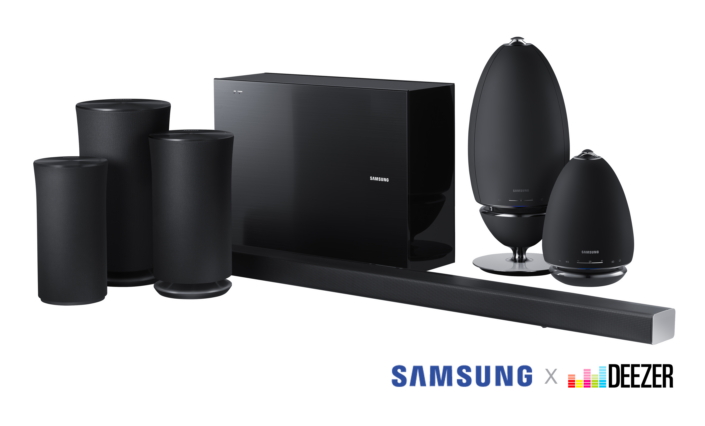
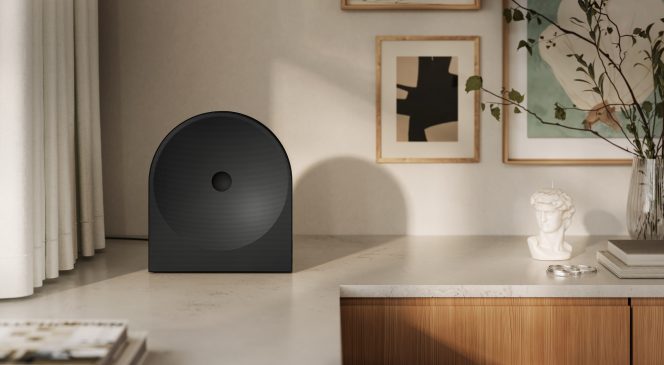
Design is another area where Samsung sound technology stands out. Audio products are crafted with clean lines, compact forms, and materials that blend into modern living spaces.
Rather than dominating a room visually, these designs complement interiors while still delivering powerful performance. This balance between form and function reflects changing consumer preferences toward technology that enhances spaces subtly.
Audio Experiences Optimized for Entertainment
Entertainment remains a major driver of innovation within Samsung sound technology. Streaming services, gaming platforms, and cinematic content all benefit from enhanced audio processing.
Improved bass response adds impact to action scenes, while refined mid-range clarity ensures dialogue remains intelligible. For gamers, directional audio cues enhance immersion and situational awareness, making sound an integral part of the experience.
Multi-Room and Shared Listening Capabilities
Samsung sound technology also enables intuitive multi-room audio experiences. Users can synchronize sound across different rooms or play unique content in separate spaces simultaneously.
Shared listening features allow multiple users to connect their devices at once, making group listening easier during social gatherings. These capabilities support both individual and communal audio experiences without added complexity.
Personalization and Accessibility at the Core
Personalization is increasingly important, and Samsung sound technology responds with customizable sound profiles. These profiles adapt to individual listening preferences, hearing sensitivity, and usage patterns.
Accessibility features further enhance inclusivity, offering improved speech clarity, customizable frequency ranges, and intuitive controls. Samsung sound technology aims to ensure high-quality audio experiences are available to a broad audience.
Energy Efficiency and Sustainable Audio Innovation
Sustainability is a growing focus as Samsung sound technology evolves. Energy-efficient components reduce power consumption without sacrificing performance.
Materials and manufacturing processes are also being refined to minimize environmental impact. This approach aligns with global efforts to balance technological advancement with responsible production.
Market Impact and Industry Direction
The continued development of Samsung sound technology positions Samsung as a leader in connected audio. Industry observers expect this approach to influence how competitors design future audio ecosystems.
By emphasizing intelligence, integration, and design, Samsung sound technology sets new expectations for what consumers should expect from modern audio systems.

Why Samsung Sound Technology Matters
Samsung sound technology addresses real-world listening habits rather than focusing solely on technical specifications. By simplifying interactions and enhancing sound quality across devices, it delivers practical benefits that resonate with everyday users.
Whether for entertainment, communication, or relaxation, sound becomes more intuitive and immersive through this integrated approach.
Preparing for the Audio Landscape of 2026
Looking ahead, Samsung sound technology is expected to integrate further with smart home systems and artificial intelligence. Audio experiences may become increasingly automated, responding to user routines and environmental cues.
This forward-looking strategy ensures that Samsung audio products remain adaptable as technology and lifestyles continue to change.
Samsung sound technology stands at the center of Samsung’s audio vision for 2026. Through smarter multi-device sound, immersive audio design, and seamless ecosystem integration, Samsung is redefining how sound fits into modern life.
As consumers seek connected, intelligent, and high-quality audio experiences, Samsung sound technology represents a significant step toward the future of everyday sound.

Lailuma Sadid is a former diplomat in the Islamic Republic of Afghanistan Embassy to the kingdom of Belgium, in charge of NATO. She attended the NATO Training courses and speakers for the events at NATO H-Q in Brussels, and also in Nederland, Germany, Estonia, and Azerbaijan. Sadid has is a former Political Reporter for Pajhwok News Agency, covering the London, Conference in 2006 and Lisbon summit in 2010.