What Would It Take to Achieve Russia Ukraine Peace
The war between Russia and Ukraine has entered a prolonged phase that few predicted at its outset. What was initially framed as a short and decisive operation has instead become a grinding conflict with global consequences. Energy markets, food supplies, military alliances, and diplomatic norms have all been reshaped. As the war drags on, policymakers and the public alike continue to ask what conditions could realistically bring the fighting to an end and whether Russia Ukraine peace is achievable under current circumstances.
Ending this war is not a matter of a single concession or battlefield breakthrough. It depends on a convergence of military realities, economic pressures, political calculations, and diplomatic opportunities. Understanding how these forces interact is essential to understanding what it would take for the conflict to finally stop.
Decision Making Inside the Kremlin
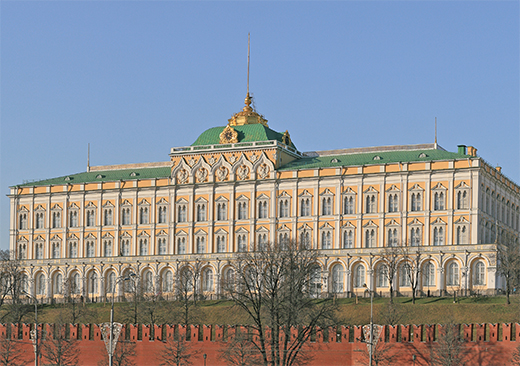
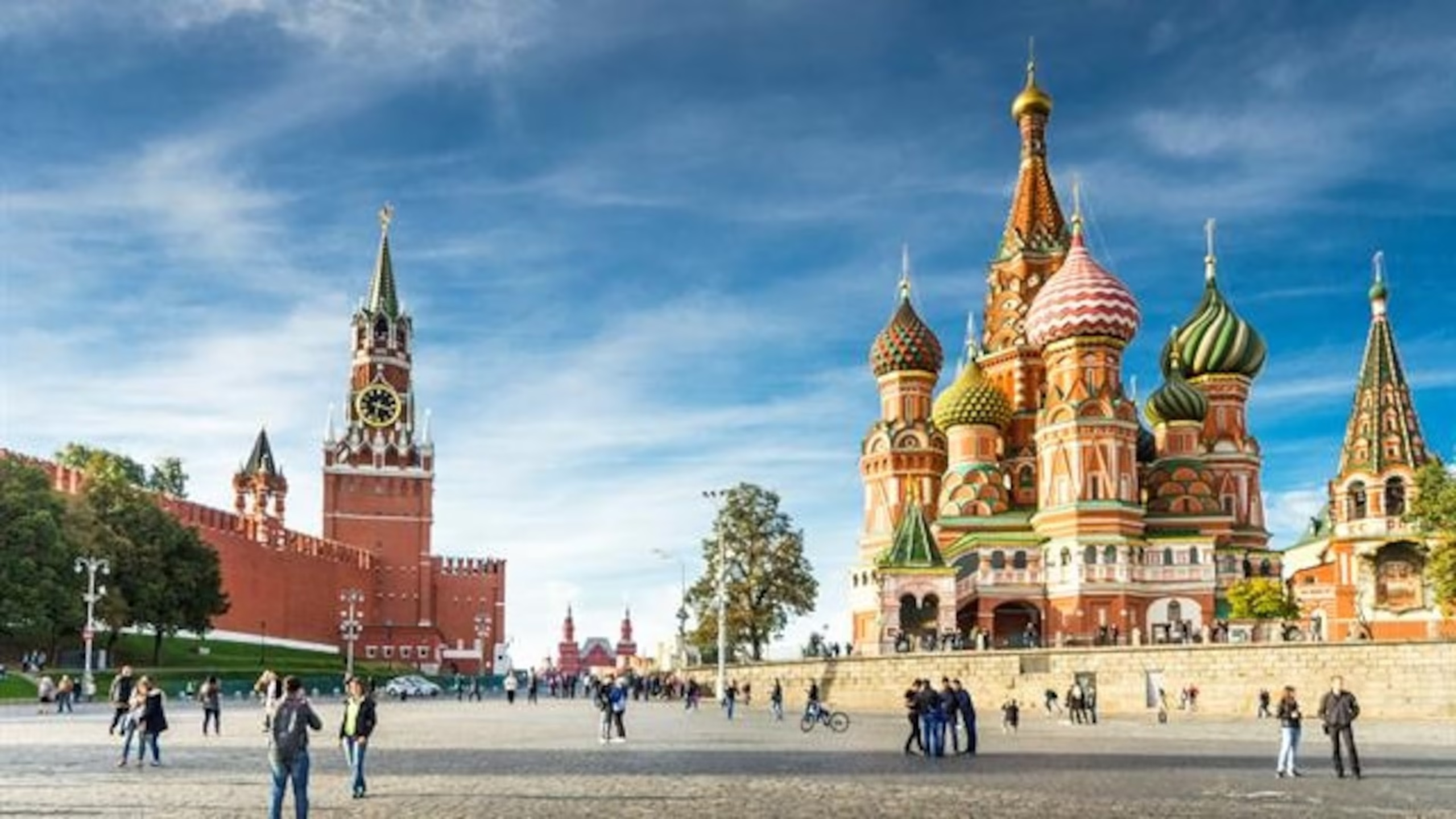
At the center of the conflict is a political system built on centralized authority. Strategic decisions are made by a small circle surrounding Vladimir Putin, where military objectives are closely tied to regime stability and national identity. Any move toward Russia Ukraine peace must align with internal political survival, not just international expectations.
In such systems, leaders rarely reverse course publicly unless the cost of continuation clearly exceeds the cost of compromise. This makes symbolic victories, narrative control, and domestic perception critical factors. A peace outcome would need to be framed internally as strength, not retreat.
Military Reality and the Limits of Force
Wars often end when one side can no longer achieve its objectives at an acceptable cost. In Ukraine, the battlefield has demonstrated resilience, adaptability, and sustained resistance. Western military assistance has fundamentally altered the strategic balance, preventing decisive outcomes while raising the cost of continued operations.
As equipment losses mount and manpower strains grow, the feasibility of achieving maximal goals diminishes. When military leaders begin prioritizing force preservation over territorial ambition, strategic thinking shifts. In that environment, Russia Ukraine peace becomes less about ideology and more about damage control.
Economic Pressure and Long-Term Strain
Economic sanctions have not caused immediate collapse, but their cumulative effect is significant. Restrictions on technology imports, financial systems, and energy markets have forced structural adjustments that are difficult to reverse. Short-term workarounds exist, but long-term growth prospects are constrained.
Economic stress becomes politically dangerous when it impacts daily life. Inflation, reduced investment, and declining public services gradually erode tolerance for prolonged conflict. When economic stabilization becomes a priority, incentives for Russia Ukraine peace increase as a pathway to normalization.
Domestic Stability and Public Endurance
Public opinion in authoritarian systems is managed, but it is not irrelevant. Mobilization policies, casualty rates, and economic hardship touch nearly every family. Over time, lived experience can undermine official narratives, even without organized opposition.
Maintaining domestic stability often requires increased repression, which carries its own risks. When governance becomes more about control than legitimacy, leaders reassess strategic priorities. In such conditions, Russia Ukraine peace may be viewed as a means of restoring predictability and social cohesion.
The Role of Political and Economic Elites
Elite consensus is critical to sustaining long conflicts. Business leaders, regional authorities, and senior officials may initially accept losses, but prolonged isolation threatens wealth, influence, and future opportunity.
If influential groups begin to view the war as a liability rather than a necessity, internal pressure builds quietly but steadily. These dynamics rarely appear in public, yet they often precede major policy shifts. Elite alignment can be decisive in making Russia Ukraine peace politically viable.
Ukraine’s Position and Strategic Resilience
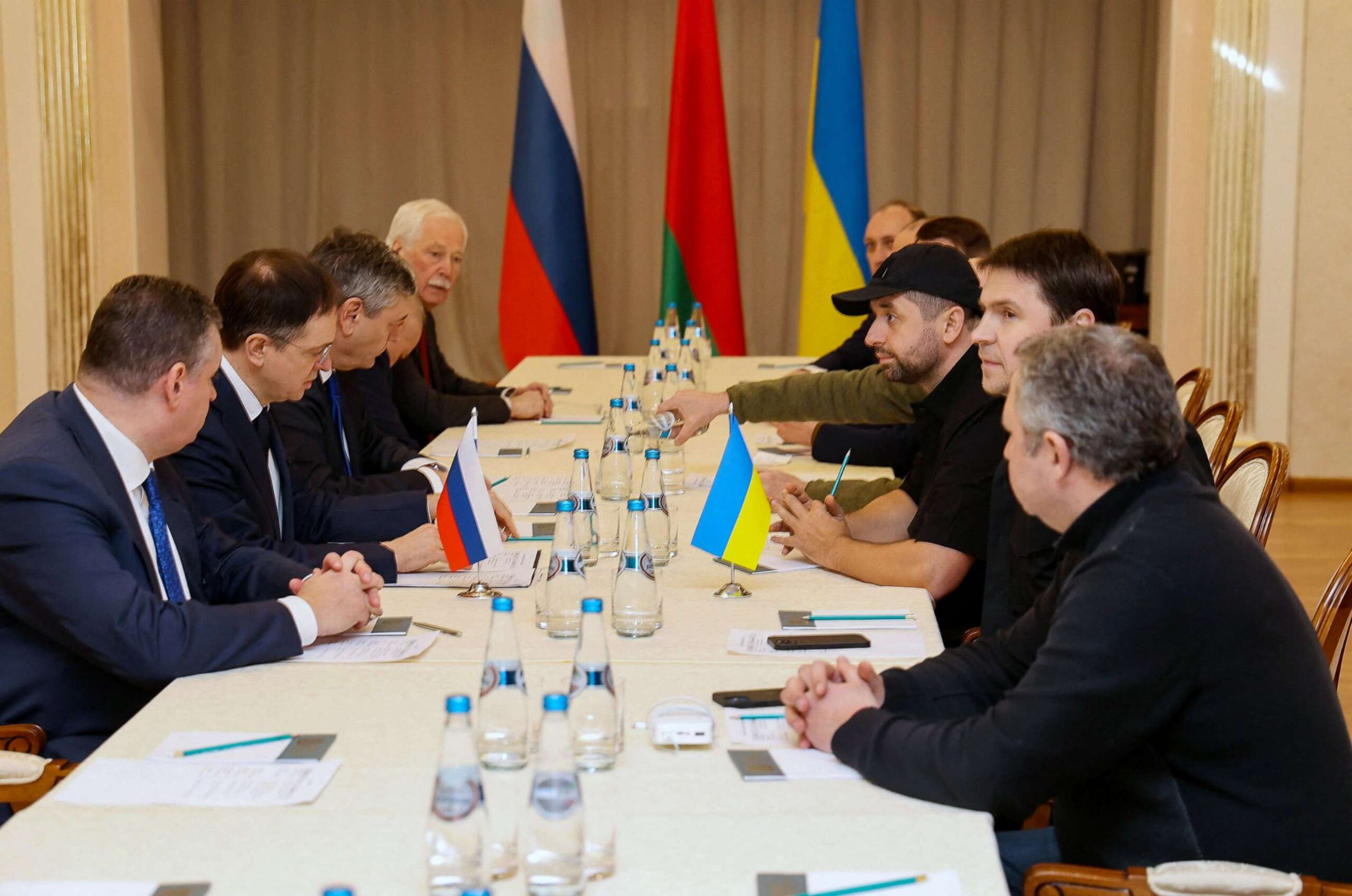
Ukraine’s role is not passive. Its military performance, political unity, and diplomatic engagement shape the conditions for any settlement. Continued resistance signals that time does not automatically favor the aggressor.
Ukraine’s leadership has consistently emphasized sovereignty and security guarantees. Any agreement must offer credible protection against future aggression. Without that assurance, Russia Ukraine peace would be temporary rather than durable.
Diplomatic Off Ramps and Negotiation Space
Wars rarely end without negotiation, but negotiations succeed only when all parties see an outcome preferable to continued fighting. Diplomatic off ramps may involve phased ceasefires, monitored disengagement, or conditional sanctions relief.
Trust remains extremely low, making verification mechanisms essential. Any framework for Russia Ukraine peace must include enforcement measures that reduce incentives to violate agreements once pressure subsides.
Western Unity and Strategic Signaling
Western cohesion has been one of the most significant variables in the conflict. Military aid, financial support, and diplomatic backing signal long-term commitment to Ukraine’s survival.
Consistency matters more than intensity. When Moscow perceives that external support will endure, strategies based on waiting out opponents become riskier. Sustained unity increases the likelihood that Russia Ukraine peace becomes the least costly option over time.
Security Concerns and Red Lines
Security perceptions shape strategic narratives on all sides. Issues such as military alliances, regional influence, and force deployments remain central to decision making.
A lasting settlement must address security concerns without legitimizing territorial conquest. Balancing deterrence with de-escalation is difficult but essential. Without credible security arrangements, Russia Ukraine peace would lack the foundation needed to endure.
The Factor of Time and Attrition
Time is a silent but powerful force in prolonged conflicts. Resources are depleted, attention wanes, and legitimacy erodes. Attrition favors the side with greater resilience, broader support, and stronger alliances.
As costs accumulate, priorities shift. Strategies that rely on endurance often fail when internal pressures mount faster than anticipated. Over time, the probability of Russia Ukraine peace increases as trade-offs become unavoidable.
What Would Actually Change the Trajectory
No single event will end the war. Resolution requires convergence. Military stalemate, economic strain, elite pressure, diplomatic opportunity, and security guarantees must align.
When continuing the conflict threatens long-term stability more than compromise does, strategic calculations change. At that point, Russia Ukraine peace becomes not an act of goodwill, but a rational decision driven by necessity.
Implications for Europe and the Global Order
The outcome of the war will shape Europe’s security architecture for decades. It will influence how borders are defended, how alliances function, and how aggression is deterred.
Globally, the conflict tests norms around sovereignty and the use of force. Achieving Russia Ukraine peace would reaffirm the principle that territorial disputes cannot be resolved through sustained violence.
The Human Cost and the Need for Resolution
Beyond strategy and politics, the war’s human toll continues to grow. Lives lost, families displaced, and infrastructure destroyed create generational consequences.
A durable settlement would allow reconstruction, reconciliation, and recovery to begin. Without peace, the cycle of loss continues, reinforcing the urgency of pursuing Russia Ukraine peace despite the challenges involved.
When the cost of continuing the war clearly outweighs the cost of compromise, conditions may finally exist for the fighting to stop. At that moment, the path toward Russia Ukraine peace could reshape not only the region, but the future of global security itself.