Exclusive Insight on Avoiding Russian Assets
Why the EU Avoided Russian Assets in Its $105bn Ukraine Loan
The European Union’s decision to approve a $105 billion financial package for Ukraine marks one of the largest support commitments since the war began. While the size of the loan has drawn headlines, one key detail has raised questions, the EU deliberately chose not to use frozen Russian assets to fund the deal.
This decision was not accidental. It reflects a mix of legal caution, political compromise, and economic practicality, showing how complex financial support becomes during a prolonged international conflict.
A Major Commitment Without Using Russian Assets
The $105 billion package underlines how seriously the EU views Ukraine’s situation. The funding is designed to help keep Ukraine’s government functioning, support reconstruction, and cover military and humanitarian needs as the war continues.
What makes the package unusual is the clear choice to avoid directly using frozen Russian assets. Since the start of the conflict, billions of dollars linked to Russian individuals and institutions have been frozen across Europe and other Western countries. Many observers expected those funds to play a central role in financing Ukraine’s recovery.
Instead, the EU opted for loans and grants backed by its own budget and member states. This approach allows money to reach Ukraine faster, without waiting for unresolved legal and political disputes to be settled.
Legal Barriers to Seizing Frozen Assets
One of the main reasons behind this decision lies in international law. Frozen assets are not the same as confiscated assets. In most cases, ownership remains with the original holder, even if the funds cannot be accessed or moved.
Turning frozen Russian assets into direct financial support for Ukraine would require new legal frameworks. Without them, the EU could face lawsuits, constitutional challenges inside member states, and accusations of violating property rights under international law.
EU laws also differ from country to country. Reaching agreement on a single legal approach to permanently seize Russian assets would take time, possibly years. Given Ukraine’s urgent financial needs, the EU chose a faster and legally safer route.
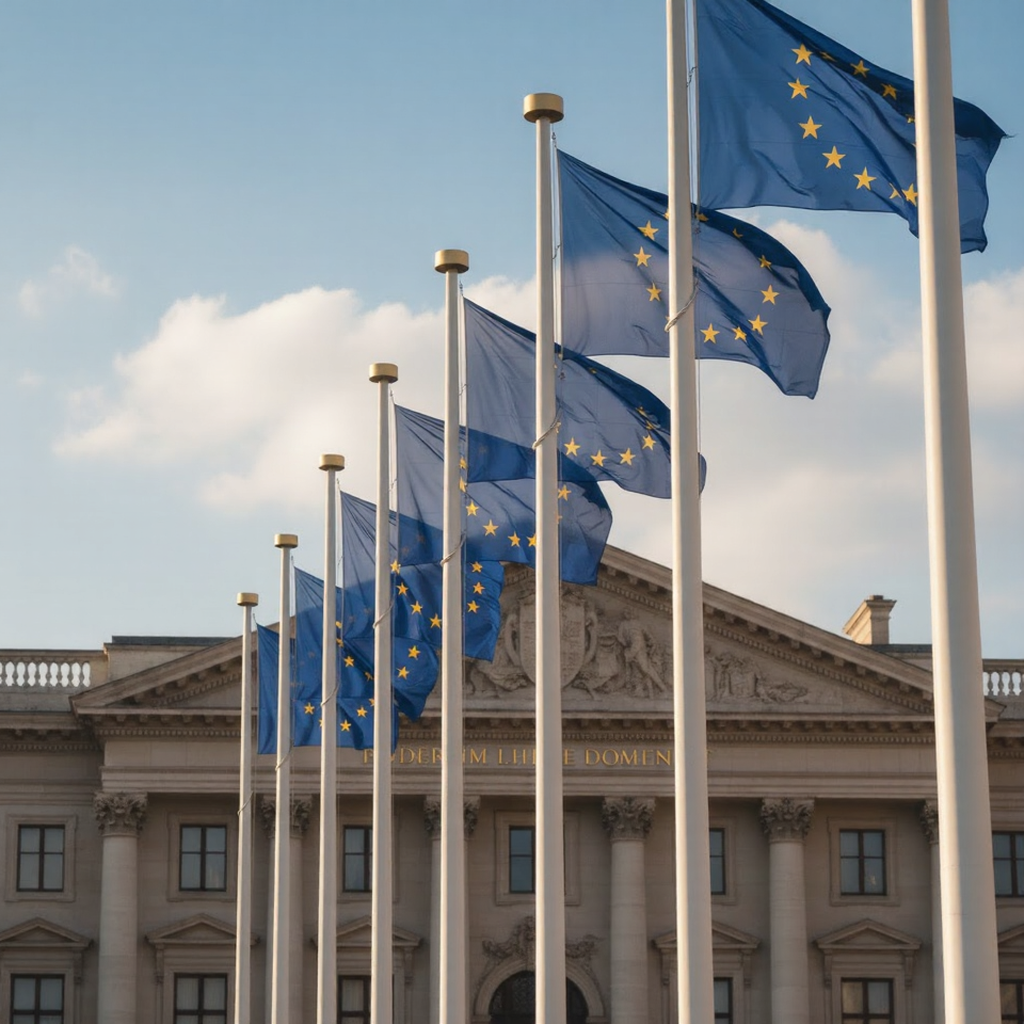
Political Unity and Diplomatic Concerns
Politics also played a major role. Not all EU member states agree on how far asset seizures should go. Some governments worry that setting such a precedent could later be used against them or their financial institutions.
There is also concern about long-term diplomatic consequences. Aggressive asset confiscation could further harden Russia’s position and complicate any future negotiations. For the EU, maintaining unity among its 27 member states remains just as important as sending a strong message to Moscow.
The EU’s stance also aligns closely with its allies, including the United States, where similar debates over frozen Russian assets are ongoing. For now, Western governments appear more comfortable providing aid through loans, grants, and guarantees rather than direct asset transfers.
Practical and Economic Factors
From a practical standpoint, using frozen Russian assets is far from simple. These funds are spread across multiple countries, banks, and legal systems. Accessing them would require complex coordination, regulatory approval, and risk assessments.
By relying on EU-backed borrowing, the Union can raise money quickly on favorable terms. This ensures Ukraine receives support without delay, especially for urgent needs such as energy systems, public services, and defense.
There are also concerns about financial stability. Directly repurposing foreign assets could create uncertainty in European financial markets and expose banks to legal and reputational risks. Avoiding that path helps protect the EU’s own financial system.
What This Means for Ukraine
For Ukraine, the $105 billion package provides critical stability. It helps cover budget gaps, maintain essential services, and reassure international partners that support will continue.
At the same time, Ukrainian officials have made clear they still view frozen Russian assets as a rightful source of compensation for war damage. Kyiv continues to push for legal mechanisms that would allow those funds to be used in the future.
This EU loan, therefore, should be seen as a short- to medium-term solution, not the final word on how reconstruction will be financed.
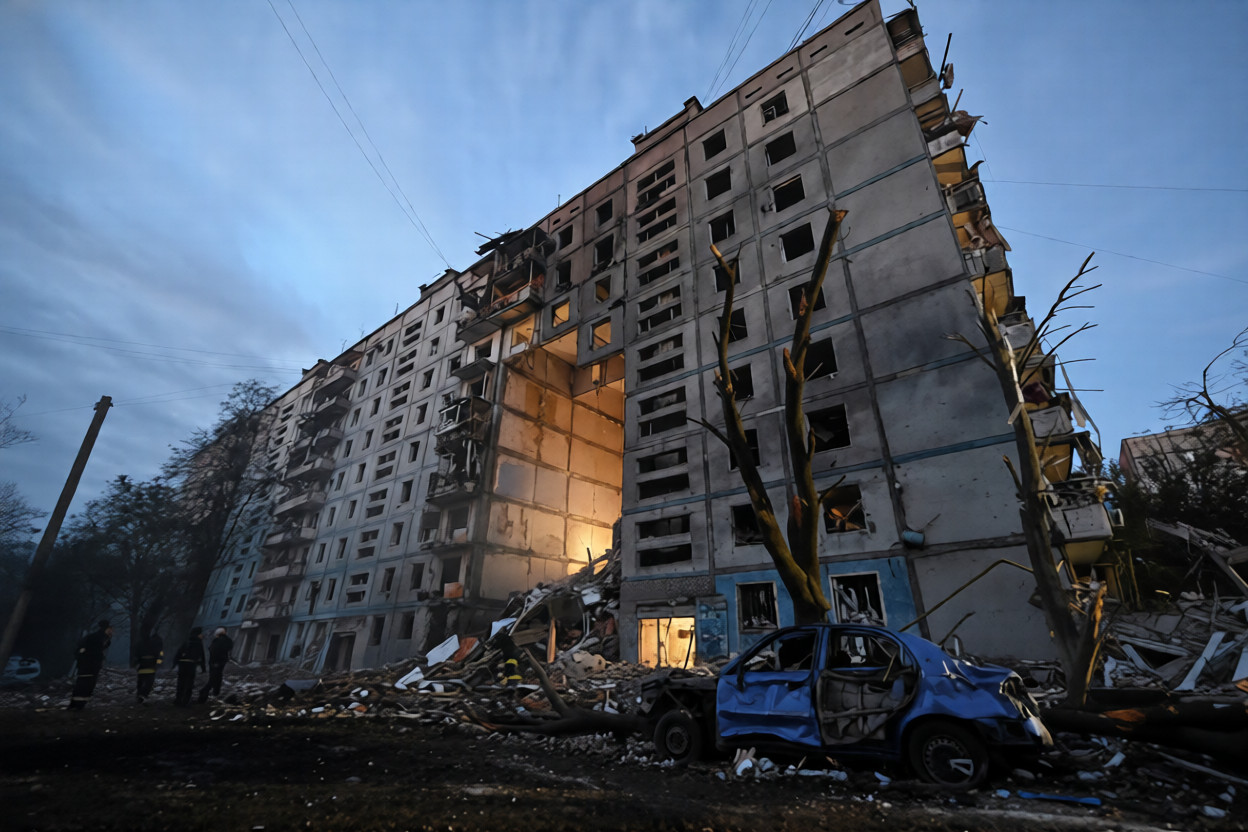
Could Russian Assets Be Used Later?
Discussions around frozen Russian assets are far from over. Some EU leaders and legal experts support creating international frameworks that would allow seized assets to be transferred lawfully as reparations.
Such efforts, however, require international coordination and strong legal foundations. Until those systems exist, the EU appears unwilling to take steps that could be challenged in court or weaken its legal credibility.
A Calculated and Cautious Strategy
The EU’s choice to avoid Russian assets in its $105 billion Ukraine loan highlights the difficult balance between urgency and restraint. While the humanitarian and economic need is clear, the legal and political risks remain significant.
Rather than waiting for complex disputes to be resolved, the EU opted for a method that delivers immediate support while preserving internal unity and legal standards. As the war continues, this approach may evolve, but for now it reflects a careful strategy aimed at stability rather than confrontation.