
All the Countries Affected by Trump’s Expanded Travel Ban
The Trump administration’s expanded travel ban was one of the most controversial immigration policies implemented in recent American history. Initially introduced in 2017, the travel ban targeted several countries predominantly in the Middle East and Africa, citing national security concerns. Over time, the scope of the ban evolved, affecting a broader list of nations and sparking complex legal challenges and intense political debate. This article explores all the countries affected by Trump’s expanded travel ban, providing context, background, and analysis of the policy’s impact.
Background: What is the Trump Travel Ban?
At its core, the Trump travel ban was an executive order aimed at restricting entry to the United States from certain countries. The stated purpose was to protect the nation from potential threats posed by terrorists who might enter under the guise of immigration or visas. However, critics argued that the ban unfairly targeted Muslim-majority countries, amounting to a “Muslim ban.” The ban quickly became the subject of a series of legal battles, with courts blocking and modifying it several times.
The Original List of Countries
The initial version of the travel ban — known as Executive Order 13769 — signed in January 2017, included seven countries:
- Iran
- Iraq
- Libya
- Somalia
- Sudan
- Syria
- Yemen
These countries were selected on the basis of their association with terrorism and purported lack of security cooperation with the United States. This Executive Order banned the entry of nationals from these countries for 90 days, suspended the U.S. Refugee Admissions Program for 120 days, and indefinitely banned Syrian refugees.
The Expanded Travel Ban: Adding and Removing Countries
Following legal challenges, the Trump administration revised and expanded the travel ban multiple times. The second version, Executive Order 13780, issued in March 2017, removed Iraq from the list but kept the other countries intact.
In the third iteration, Proclamation 9645, signed in September 2017, the Trump administration expanded and adjusted the list of countries affected. This version introduced new countries and removed others, incorporating a “case-by-case” system based on security assessments.
The countries affected in this expanded travel ban included:
- Chad (later removed in April 2018)
- Iran
- Libya
- North Korea
- Syria
- Venezuela (limited to government officials and their families)
- Yemen
Notably, Somalia and Sudan were removed from the list, but some countries in Africa, such as Chad, were added temporarily.
Why Were These Countries Included?
The rationale behind adding countries like North Korea and Venezuela was based on different security concerns than the original Middle Eastern focus. North Korea’s authoritarian regime and Venezuela’s political instability were viewed as potential risks to U.S. security.
Chad was initially added based on findings that it did not meet the U.S. government’s standards for identity management and information-sharing related to terrorism. However, Chad was subsequently removed from the list after cooperation improved.
How Did the Travel Ban Affect Those Countries?
The travel ban imposed visa suspensions and entry restrictions that dramatically affected nationals from these countries. Individuals who had already been granted visas sometimes faced sudden cancellation or extra scrutiny. Families were separated, students and professionals barred from continuing studies or work, and refugees were denied safe haven.
For example, Iran, with its significant population of students studying in the U.S., saw widespread disruption in academic and cultural exchange. Countries embroiled in conflict, like Libya, Syria, and Yemen, faced humanitarian challenges as refugees and asylum seekers were effectively blocked from seeking refuge.
Legal Battles and Supreme Court Involvement
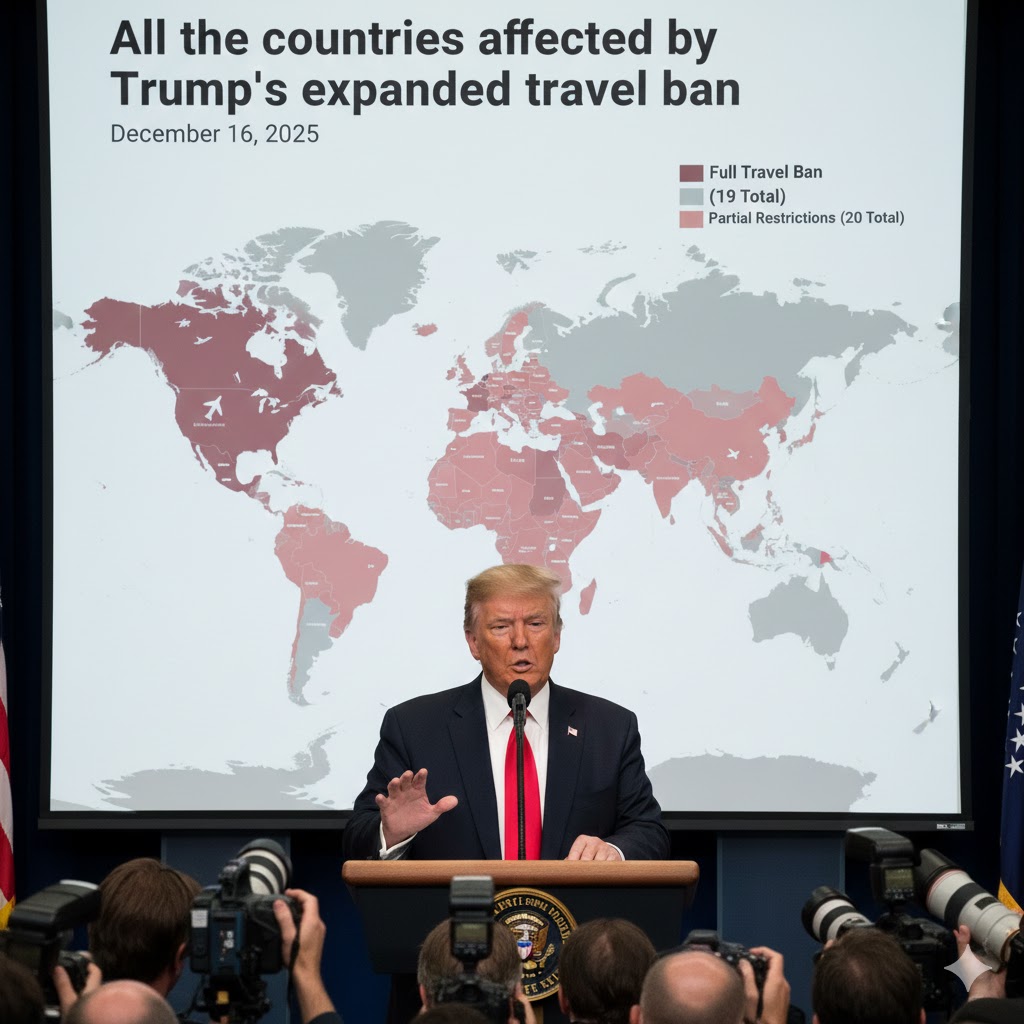
The expanded travel ban faced numerous legal challenges. Courts across the U.S. issued injunctions preventing enforcement of parts or all of the ban. The Trump administration continually appealed these decisions, and ultimately, the Supreme Court upheld key elements of the expanded travel ban in a 2018 decision, allowing many components to proceed.
The Court ruled that the President has broad authority to suspend entry of non-citizens when necessary for national security, validating the policy despite accusations of religious discrimination.
The Impact on U.S. Foreign Relations
The travel ban strained diplomatic ties between the U.S. and affected countries. Many governments expressed outrage or sorrow. For instance, Iran labeled the ban as an act of hostility, while Chad, after being added, expelled the U.S. ambassador in protest.
Moreover, the ban had implications for global perception of the U.S., especially in countries with large Muslim populations or those that historically sent refugees to America.
What Happened After the Trump Administration?
Upon taking office in January 2021, President Joe Biden quickly moved to revoke the Trump travel bans. This step represented a policy pivot aimed at restoring more open and humanitarian immigration policies.
However, the legacy of the expanded travel ban remains a powerful touchpoint for discussions about immigration, national security, and American values. The countries affected experienced lasting consequences, from disrupted immigration patterns to altered diplomatic relations.
Trump’s expanded travel ban reshaped the U.S. immigration landscape by broadening the list of countries from which nationals faced travel restrictions. From the original seven mostly Muslim-majority countries to additional nations like North Korea, Venezuela, and Chad, this policy sparked complex debates around security, discrimination, and international relations.
Understanding all the countries affected by the ban provides insight into the administration’s priorities and the impact on millions of people worldwide. As the U.S. continues to navigate immigration policy, the lessons from the travel ban era remain highly relevant in shaping future approaches to balancing security with openness.