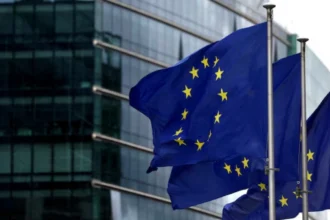

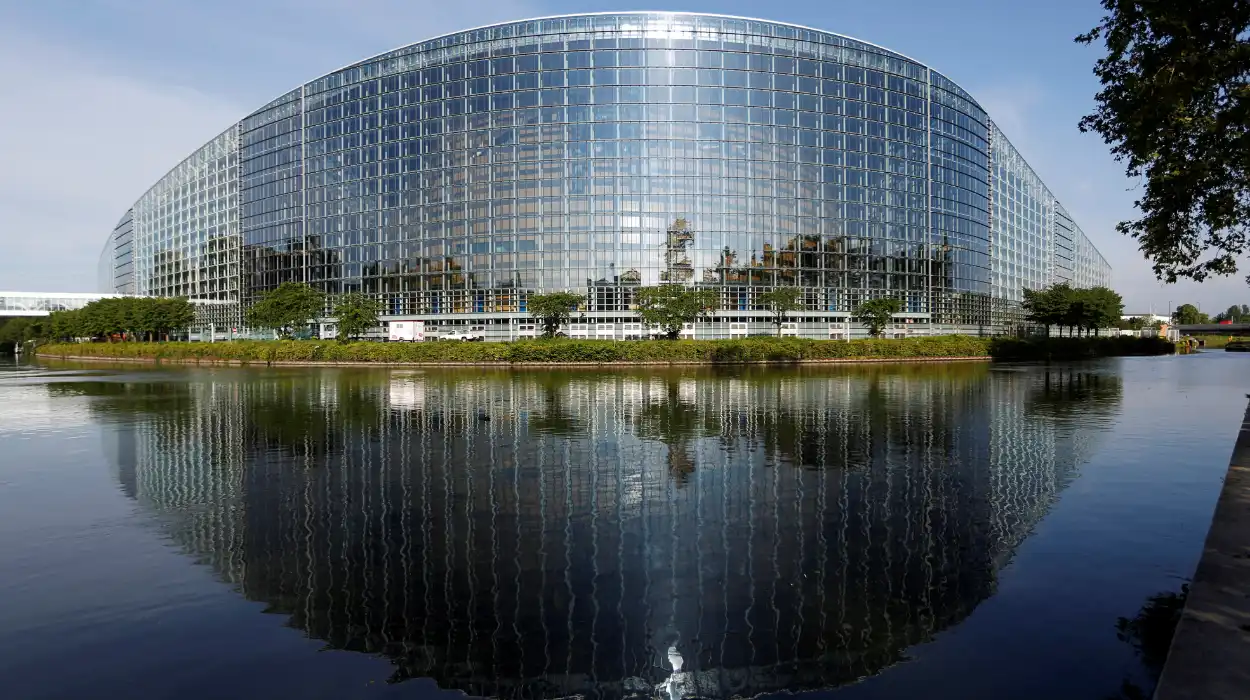
Brussels, the political and administrative heart of the European Union (EU), is also known as the lobbying capital of Europe. Every day, thousands of lobbyists gather in this vibrant city to influence the policymaking processes across a broad spectrum of issues ranging from climate change and digital regulation to trade and human rights.
Understanding who these lobbyists are, how lobbying works in Brussels, and its implications for EU governance is essential for grasping modern European democracy and policymaking.
What is Lobbying in Brussels?
Lobbying in the Brussels context refers to the activity of organizations or individuals seeking to influence the decisions and policies of EU institutions such as the European Commission, European Parliament, and the Council of the European Union.
These entities are responsible for crafting laws, regulations, and policies that affect over 450 million Europeans and global affairs.
Lobbyists engage with EU policymakers to provide expert knowledge, data, or perspectives that can shape legislation. This includes meeting officials, submitting position papers, participating in public consultations, organizing events, funding research, and advocating for specific interests.
Unlike in many national settings, lobbying in Brussels has become formalized and institutionalized, reflecting the complexity of EU governance and the pluralist nature of European democracy.
How Many Lobbyists Are There in Brussels?
Estimating the precise number of lobbyists in Brussels is challenging due to the varying definitions of lobbying activities and incomplete registration. However, Transparency International and other observers estimate that about 25,000 lobbyists have a regular presence in Brussels, with a broader network of about 37,000 individuals actively involved in lobbying the EU institutions.
This is supported by data such as:
- Approximately 6,240 individuals holding lobby badges granting access to the European Parliament.
- Over 9,860 organizations voluntarily registered in the EU’s Transparency Register declaring more than 90,000 people involved in lobbying activities.
After adjusting for over-reporting or under-reporting from some organizations, a more conservative yet reliable figure is around 37,350 people involved in lobbying activities, equating to about 19,650 full-time employees dedicated to interest representation.
Among these, around 26,500 are based in Brussels or engage regularly with EU institutions.
Who Are the Lobbyists in Brussels?
Lobbying interests span a wide range of sectors and stakeholders, including:
- Corporate Lobbyists: Multinational companies and industry federations constitute the largest group. These include companies from finance, technology, energy, agriculture, and pharmaceuticals.
- Trade Associations and Professional Groups: These represent collective interests of businesses, professionals, or sectors such as banking, automotive, or manufacturing.
- Non-Governmental Organizations (NGOs): Representing social, environmental, human rights, health, and consumer interests, NGOs play a vital role in offering a counterbalance to corporate lobbying.
- Law Firms and Consulting Companies: Providing advocacy, legal advice, and strategic counsel to clients, they often act as intermediaries in lobbying efforts.
- Public Authorities and Local Governments: Regional and municipal governments maintain offices in Brussels to influence EU policies affecting local interests.
- Think Tanks and Research Institutions: These contribute research and policy analysis to inform and influence decision-making.
The diversity ensures policy debates incorporate multiple voices, though corporate lobbying often commands greater financial and organizational resources.
How Does Lobbying Work in Brussels?
Lobbying follows formal and informal channels:
Formal Channels
The EU’s Transparency Register is an essential tool designed to increase openness and trust in the EU decision-making process by publicly listing lobby groups that voluntarily register themselves.
To be part of this register, organizations must disclose detailed information about their goals, funding sources, and the number of staff involved in lobbying activities. This disclosure allows citizens and stakeholders to understand which interests are represented and the resources devoted to influencing EU policies.
Registered lobbyists routinely engage with key policymakers, holding meetings with European Commissioners, Members of the European Parliament (MEPs), and officials within the European Commission.
These interactions provide opportunities to discuss policy proposals, offer expert insights, and contribute to the legislative process.
Additionally, the European Commission and Parliament participate in public consultations where they invite stakeholders, including registered lobbyists, to submit feedback on upcoming legislative initiatives. This openness allows diverse voices to be considered in shaping EU laws and policies.
Lobbyists also participate in advisory or expert committees and working groups that help to inform and refine legislative drafts. These groups provide specialized knowledge and perspectives, ensuring that the legislation is comprehensive and well-informed.
Together, these measures form a transparent, regulated framework that facilitates legitimate and open dialogue between lobbyists and EU institutions while enabling public scrutiny of influence activities.
Informal Channels
Networking events and professional conferences are key components of how lobbying operates in Brussels, serving as important venues where lobbyists and EU officials build relationships and exchange information.
These social and professional gatherings create informal opportunities for dialogue, facilitating trust and collaboration beyond formal meetings.
They provide spaces for lobbyists to present their positions, share insights, and engage with policymakers in more relaxed, interactive settings.
In addition to interpersonal meetings and events, many lobbyists articulate their advocacy by producing policy papers and briefings.
These written documents lay out preferred policy positions, backed by data, research, and analysis, allowing lobbyists to communicate their arguments clearly and effectively to EU decision-makers.
Such documents are often circulated among Commissioners, Members of the European Parliament (MEPs), and staff, shaping the policy debate by providing evidence-based perspectives.
Lobbying efforts may also extend to more strategic political advocacy, including supporting political campaigns or aligning with political allies to bolster influence. Some lobby organizations or affiliated entities contribute resources to campaigns or work closely with sympathetic policymakers to advance their interests within the EU legislative framework.
This form of advocacy seeks to impact the broader political environment in which decisions are made, complementing direct policy engagement.
Overall, lobbying in Brussels involves a combination of structured dialogue, expert knowledge exchange, and strategic advocacy deeply embedded within the EU’s decision-making culture.
This multifaceted approach enables diverse stakeholders to participate actively in shaping policies and regulations that affect millions of Europeans.
Regulatory Framework and Transparency Efforts
Since lobbying in the EU gained prominence, efforts to increase transparency and reinforce ethical standards have steadily progressed. The European Transparency Register, established in 2011, serves as a key instrument for promoting accountability by listing lobby groups that voluntarily register to boost openness and public trust.
Registration requires organizations to disclose their goals, funding sources, and the number of staff involved in lobbying activities, offering clear insights into who seeks to influence EU laws and policymaking.
Moreover, since 2019, Members of the European Parliament (MEPs) are mandated to publish online all scheduled meetings they hold with lobbyists related to legislation they oversee.
This transparency measure reduces behind-the-scenes lobbying and allows the public to scrutinize interactions between elected representatives and interest groups. It marks a significant step toward greater openness in parliamentary affairs.
Both lobbyists and EU officials are bound by codes of conduct that dictate acceptable behaviors, aiming to prevent conflicts of interest, corruption, and undue influence. These ethical guidelines form an important framework ensuring that lobbying respects democratic principles.
While registration on the Transparency Register remains voluntary, the EU institutions strongly encourage compliance by linking lobbyists’ accreditation and access rights to their registration status.
In addition, civil society organizations and watchdog groups actively monitor lobbying transparency and expose any abuses, thus reinforcing the regulatory environment and pressuring those who operate within it to act ethically.
Together, these developments contribute to a more transparent, accountable, and democratic lobbying ecosystem within the European Union.
Challenges and Criticism of Lobbying in Brussels
Despite reforms, challenges remain:
- Corporate Dominance: Big corporations and industry groups outspend and outnumber public interest lobbyists, potentially skewing policy priorities.
- Under-Reporting and Non-Compliance: Some organizations evade registration or under-report staff numbers dedicated to lobbying, limiting transparency effectiveness.
- Blurred Lines: Conflicts arise when MEPs or officials are associated with lobby groups, raising concerns about influence peddling.
- Limited Sanctions: Enforcement of lobbying rules still faces gaps, risking impunity for unethical practices.
- Information Asymmetry: Lobbyists possess superior technical knowledge compared to legislators, risking domination over debates.
Efforts from Transparency International EU and other watchdogs aim to address these issues through advocacy for stronger EU-wide legal standards and harmonized national rules.
The Role of Lobbyists: Positive and Controversial Aspects
Lobbying is often perceived negatively, yet it plays an important democratic function.
Positive Contributions
The EU policymaking process benefits significantly from the contributions of diverse expert perspectives spanning economic, social, scientific, and environmental fields. These insights enable policymakers to develop comprehensive and well-rounded legislation that addresses the complex challenges faced by the Union and its citizens.
Furthermore, the process incorporates robust feedback loops that connect civil society, industry stakeholders, and policymakers. This interaction ensures that laws and regulations are informed by the realities and needs of those affected, fostering policies that are practical and effective.
Evidence-based policymaking is a foundational principle in the EU, helping to avoid unintended consequences by grounding decisions in solid data, rigorous analysis, and scientific research.
This approach enhances the likelihood that policies achieve their intended outcomes while aligning with broader societal goals.
Finally, by incorporating mechanisms for stakeholder involvement beyond just electoral participation, the EU advances public engagement and democratic accountability.
This enables a wider spectrum of voices to influence policy, enriching the democratic process and ensuring that policies are responsive to diverse interests.
Controversial Aspects
Lobbying, while a legitimate and essential part of democratic policymaking, carries significant risks when not properly regulated. One major concern is the tendency for lobbying to prioritize special interests over the broader public good, resulting in policies that disproportionately favor certain powerful groups rather than serving society as a whole.
This dynamic can lead to regulatory capture, where regulatory agencies or policymakers become dominated by the industries they are supposed to regulate, effectively undermining their impartiality and altering policy outcomes to benefit entrenched interests.
Such practices can severely undermine public trust in institutions, especially when transparency lapses occur and citizens remain unaware of who influences decision-making behind closed doors.
The unequal distribution of resources means powerful actors can exert outsized influence, lobbying more effectively through greater financial means, expertise, and access, compared to less organized or underfunded groups.
The challenge lies in ensuring that lobbying remains transparent, ethical, and balanced, reinforcing its constructive role in democratic governance.
This involves robust transparency rules, enforceable codes of conduct, public scrutiny, and institutional safeguards that prevent undue influence, promote accountability, and ensure policies reflect the wider public interest rather than narrow vested interests.
- Greater Public Scrutiny: Growing citizen demand for openness and ethics reforms.
- Strengthening Legal Frameworks: Calls for binding EU-wide legislation on lobbying transparency.
The EU aims to balance openness with the need to guard against undue influence, fostering a system that supports participatory democracy while preserving accountability.
Dear reader,
Opinions expressed in the op-ed section are solely those of the individual author and do not represent the official stance of our newspaper. We believe in providing a platform for a wide range of voices and perspectives, even those that may challenge or differ from our own. We remain committed to providing our readers with high-quality, fair, and balanced journalism. Thank you for your continued support.