

Islamic terrorism and adversarial neighbors, particularly Iran-backed organizations for Israel and Pakistan for India, pose serious challenges to both countries. As a result of this challenge, the US and UK work together closely on defense, intelligence, and fighting terrorism. Israel is a major supplier of arms to India, providing the latest technology in items such as drones, missiles, and border equipment. After the 1990s, collaboration between the armies increased, and today India purchases more than $2 billion of Israeli weapons yearly. They also team up in research, technology, innovation, and agriculture, along with defense.
- Historical background
- What role do shared anti-terrorism efforts play in India-Israel relations?
- Why is countering cross-border terrorism a central focus in India-Israel relations?
- What lessons has Israel learned in counterterrorism that can benefit India’s Kashmir operations?
- How do joint India-Israel counterterrorism operations influence local insurgent activities?
Because Hindu nationalists are impressed by Israel’s fusion of ancient traditions with leading technology and defense, sympathy for Israel has risen as Hindu nationalist groups get larger in India. Because leaders like Narendra Modi are more openly supportive of Israel, there is an increasing degree of support for Israel among Indians.
Historical background
After recognizing Israel in 1950, India took steps to build relationships and especially increased ties following the Cold War and the Oslo Accords, even though it had once voted for the Palestinian option in the 1947 UN Plan that divided Palestine. Since 1992, good security and economic conditions have enabled both countries to have full diplomatic ties.
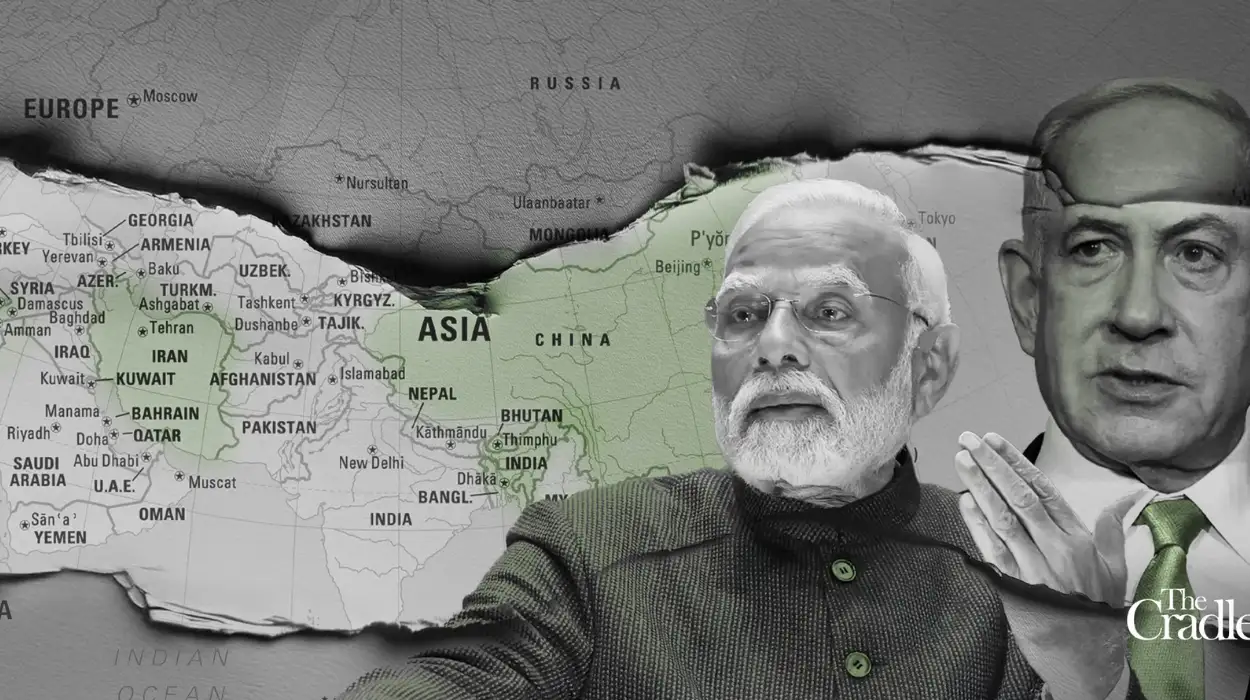
India has praised Israel’s right to defend itself and, in particular, applauded India’s airstrikes against terrorist locations in Pakistan, making India one of the first to criticize the October 7, 2023, attack by Hamas on Israel. While India is still giving humane assistance to Palestinians and supporting the idea of two nations in theory, it is clear they are tilting heavily in Israel’s favor.
What role do shared anti-terrorism efforts play in India-Israel relations?
India-Israel ties are fundamentally shaped by their joint anti-terrorism initiatives, which influence their strategic alliance in several ways:
1. Intelligence reports and capacity-building
With its long experience in dealing with terrorism and insurgency, Israel gives India strategic intelligence on Islamic terrorist organizations. In the past, Israel has helped India develop surveillance training, special forces operations, and guerrilla and urban warfare tactics, all important in dealing with Kashmir.
2. Moving important technology and equipment
Israel offers India top-quality counterterrorism equipment, including systems for missile defense, unmanned drones, thermal and night vision devices, and aerostat radars. They help India control its borders, detect when others try to enter, and respond to terrorist issues.
3. Operational cooperation
The US and the Philippines have taken part in war drills targeting terrorism and insurgency. India’s new actions against terror groups, as with the surgical strikes and Balakot airstrikes, are often influenced by Israel’s strategy and tactics of using intelligence to guide strikes and sending special teams on raids.
4. Cooperation in cybersecurity
Both India and Israel have recently worked more closely together to stop cyberterrorists from getting access to vital infrastructure and state secrets. In this area of contemporary security, agreements struck since 2017 have expanded technology sharing and capacity building.
5. Similar perception of the threat with variations
Both nations experience terrorism associated with Islamist militant organizations and believe that their neighbors are providing cross-border assistance for terrorism. However, their political environments and particular enemies vary, which occasionally results in subtle variations in how terrorist organizations are identified and treated.
Why is countering cross-border terrorism a central focus in India-Israel relations?
Since both countries see their governments’ support of nearby terrorist groups as the main reason for terrorism, countering cross-border terrorism plays a vital role in their partnership. To effectively battle terrorism, tight collaboration in intelligence sharing, military training, and defense technology transfer has been prompted by this shared security problem.
1. Similar perception of the threat
Both Israel and India view terrorism as a serious national issue and hold their neighbors accountable for funding it. Israel faces threats from Palestinian militant groups and adversarial regional entities, while India suffers from terrorism mostly associated with Pakistan-backed militants infiltrating Kashmir. This understanding between the parties has established a solid foundation for cooperation.
2. Strategic defense cooperation
Due to Israel’s help in dealing with terrorist attacks and intruders from outside, India has found great success in Kashmir. To make India more capable against terror, Israel has provided modernized weapons, modern night vision gear, and advanced missile defense systems, and also trained its experts.
3. Helping each other through an exchange of information and training
India and Israel trade key details about Islamist terrorist groups and hold regular counterterrorism practices together. Due to Israel’s strong intelligence-gathering and secret operations, India’s strategy in fighting terrorism and insurgency has advanced.
4. Reaction to significant terror bombings
Because the 2008 Mumbai bombings killed many Israelis, along with others, it became clear that greater security cooperation was necessary. Following this, India added Israeli surveillance and reconnaissance gear, which gave it a much greater ability to secure its borders and prevent attempts at entering them.
5. Multilateral and cybersecurity cooperation
In keeping with the changing face of terrorism, India and Israel collaborate on cybersecurity in addition to their conventional military cooperation to safeguard vital infrastructure against cyber and terrorist attacks.
6. Similar democratic and pluralistic contexts
Since both nations have big Muslim communities, their socially influential democracies have changed how they deal with internal issues and face threats from terrorism.
What lessons has Israel learned in counterterrorism that can benefit India’s Kashmir operations?
In Kashmir, Indian intelligence and reconnaissance missions use Heron UAVs from Israel, designed to operate well in rocky terrain. Since 2008, the Indian military has used Israeli-made Tavor guns and guided weapon technology such as Spice-2000 explosives to take action against terrorist camps. Using technology, India has seen significant improvements in its operations fighting terrorism in Kashmir and on the Pakistani border. Since 2002, an ongoing joint working group on counterterrorism has been operating between Israel and India to discuss cyber threats, protection at borders, security in aviation, and issues related to funding terrorists. India’s digital security infrastructure has benefited from updates through training and information exchanges.
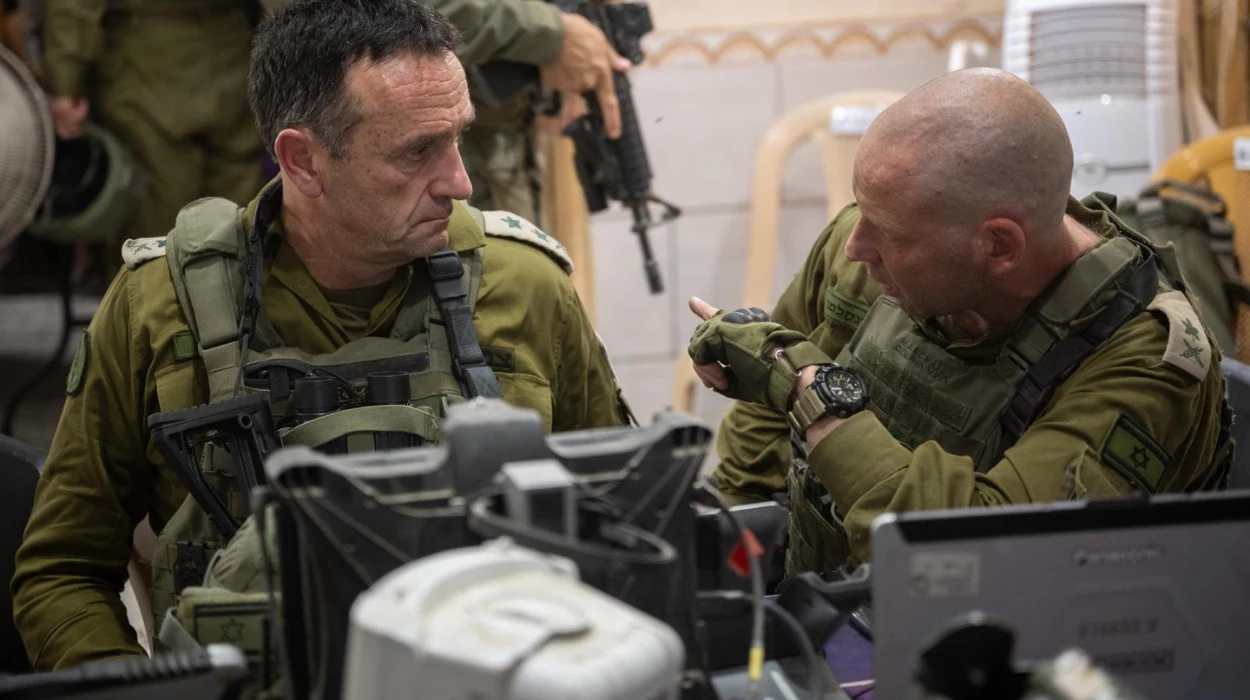
How do joint India-Israel counterterrorism operations influence local insurgent activities?
Indian soldiers can keep an eye on militant activities and infiltration routes due to real-time surveillance of Kashmir’s hilly terrain provided by Israeli Heron UAVs and TecSAR/Risat-2 satellites. By lowering cross-border terrorist incursions, aerostat radars and thermal imaging equipment improve border security even further. Indian troops can patrol at night because Israeli-supplied devices allow them to track and spot hidden rebel camps.
Every year, the India-Israel Joint Working Group on Counterterrorism helps by sharing intelligence. This supports discovering central figures, available financial resources, and secret ties among different terrorist groups across borders. Arrange actions to stop cyberterrorism, defend important infrastructure, and stop groups from using computers for illegal communications. India has moved from strategic caution to proactive operations, undermining rebel capabilities and morale, after being inspired by Israel’s “preemptive defense” strategy.
The Balakot bombing, for instance, showed India’s readiness to target insurgent bases beyond international borders, a strategy Israel has long employed. Insurgent recruitment and operations are discouraged by high-profile operations and evident technological supremacy, which forces groups to change their strategies.
Dear reader,
Opinions expressed in the op-ed section are solely those of the individual author and do not represent the official stance of our newspaper. We believe in providing a platform for a wide range of voices and perspectives, even those that may challenge or differ from our own. We remain committed to providing our readers with high-quality, fair, and balanced journalism. Thank you for your continued support.