
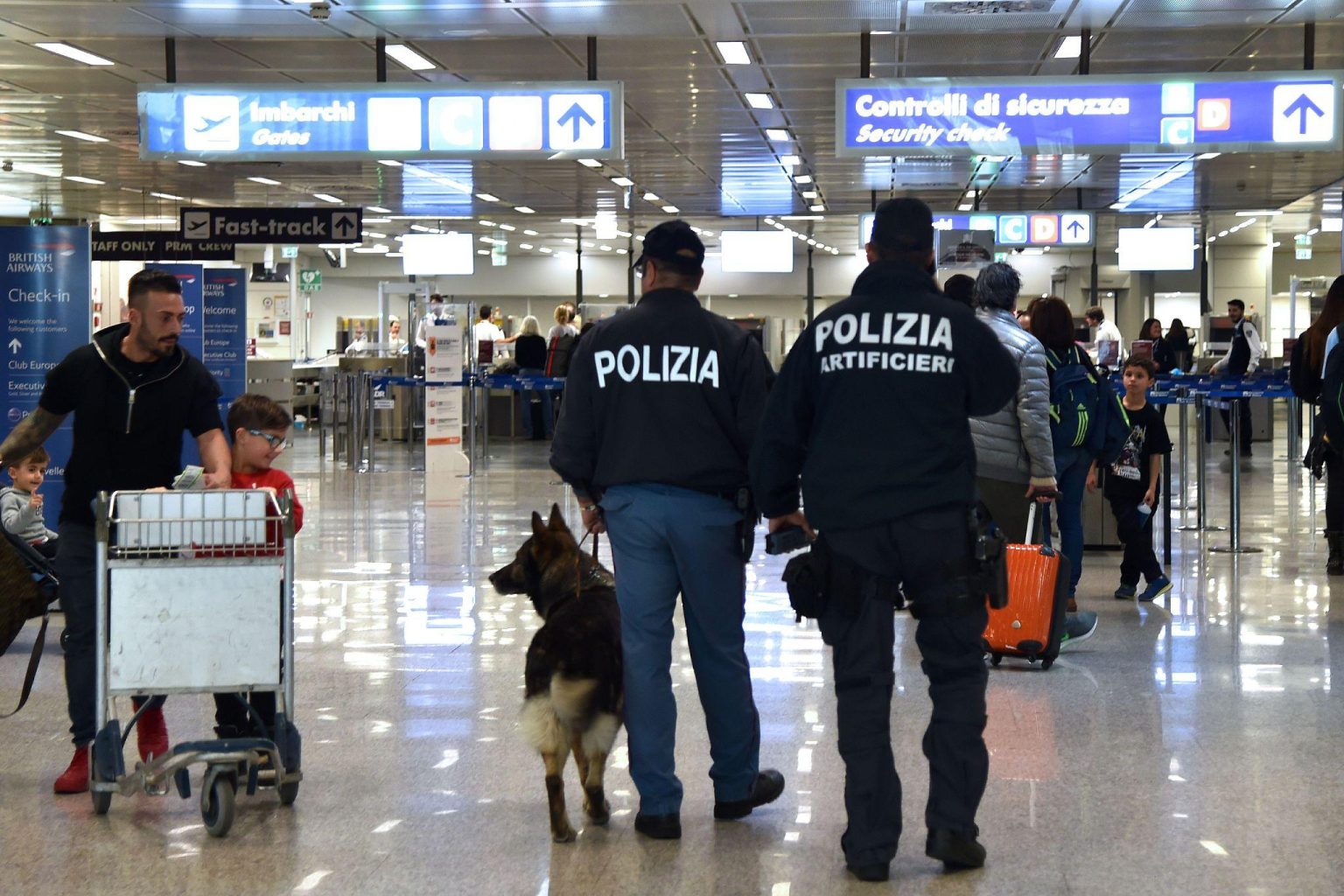
Brussels, 7 November – Brussels Morning Newspaper – Bomb threats targeting passenger aircraft across Europe have raised serious aviation security concerns, with airlines facing flight diversions, emergency inspections and heightened security measures. The incidents have placed additional pressure on European airports and national authorities as investigators work to establish who is responsible.
- Bomb Threats Cause Flight Diversions Across Europe
- Fighter Jet Escorts Highlight Serious Security Response
- Major Airlines Affected by Security Alerts
- European Authorities Investigate Possible Coordinated Threats
- No Explosives Found Despite Widespread Security Scares
- European Union Considers Stronger Aviation Security Cooperation
- What the Flight Disruptions Mean for Passengers
The threats have also highlighted the vulnerability of international aviation to security scares. Even when no explosive device is discovered, a single warning can force an aircraft to change course, trigger emergency procedures and leave hundreds of passengers facing unexpected delays.
Bomb Threats Cause Flight Diversions Across Europe
European aviation authorities have faced a series of security alerts involving passenger aircraft travelling between major destinations.
Several flights have reportedly been diverted or subjected to additional inspections following warnings about possible explosive devices on board. Airport emergency teams and security personnel have been mobilised to assess the threats and protect passengers.
For airlines, such incidents create immediate operational challenges. Aircraft may need to land at alternative airports, disrupting scheduled routes and leaving crews and passengers waiting for security clearance.
The disruption can also extend beyond the affected aircraft. Delayed departures, missed connections and changes to airport operations can affect other flights.
Fighter Jet Escorts Highlight Serious Security Response
One of the most concerning aspects of the reported incidents has been the involvement of military aircraft.
Fighter jets have reportedly been deployed to escort passenger planes following security warnings, demonstrating the seriousness with which authorities treat potential threats to civilian aviation.
Military escorts are precautionary measures intended to support aviation security operations. Their deployment does not necessarily mean that an explosive device has been confirmed.
Security agencies must assess each warning carefully, balancing the need for rapid intervention against the possibility of false information.
Major Airlines Affected by Security Alerts
The disruption has involved several well-known European airlines, including Ryanair, Wizz Air, Aer Lingus, Finnair and LOT Polish Airlines.
One particularly serious incident involved an Aer Lingus flight travelling from Dublin to Rome. The aircraft, carrying 151 passengers and six crew members, was diverted to a French military airbase after a bomb threat.
Passengers were taken to safety while specialist teams inspected the aircraft. No explosives were discovered.
Other incidents involved Ryanair flights heading towards Bulgaria and Finnair services travelling from Helsinki. Security teams also investigated threats involving flights to Prague, Paris and Brussels.
According to Reuters, nearly 30 flights were affected on November 5 alone, following another series of threats earlier in the week.
European Authorities Investigate Possible Coordinated Threats
Investigators are examining whether the incidents are connected or represent separate attempts to disrupt European aviation.
The unusually high number of warnings within a short period has raised questions about whether individuals or organised groups are deliberately targeting transport infrastructure.
Security experts have suggested several possibilities, including copycat threats and coordinated disruption campaigns.
Some analysts have also discussed the possibility of hybrid warfare, a term used to describe activities designed to destabilise countries through methods other than conventional military attacks.
However, there is currently no verified evidence identifying a government, organisation or individual responsible for the threats.
European authorities have warned against drawing premature conclusions while investigations continue.
No Explosives Found Despite Widespread Security Scares
Despite the scale of the disruption, security inspections have not uncovered explosive devices aboard the affected aircraft.
Authorities have also reported no injuries directly linked to the incidents.
Nevertheless, the absence of explosives does not reduce the importance of investigating each warning. Aviation security procedures require officials to respond to potential threats before determining whether they are genuine.
Repeated false alarms can place considerable pressure on emergency services, airlines and airport personnel.
They can also undermine passenger confidence and generate substantial financial costs through delays, diversions and additional security operations.
European Union Considers Stronger Aviation Security Cooperation
The incidents have drawn attention from European Union officials responsible for transport and aviation safety.
EU Transport Commissioner Apostolos Tzitzikostas has acknowledged the continuing threats, while aviation and security specialists are expected to discuss possible responses.
The discussions are likely to focus on information sharing, threat assessment and coordination between national authorities.
Because European aviation operates across international borders, a security alert involving one aircraft can require cooperation between several countries.
Officials must also determine how to respond efficiently to repeated warnings without compromising passenger safety.
What the Flight Disruptions Mean for Passengers
For passengers travelling across Europe, the immediate concern is the possibility of further delays and unexpected changes to flight schedules.
Travellers are advised to monitor airline announcements, check departure information and allow sufficient time for airport security procedures.
Although the reported threats have proved false, airlines and airport authorities remain responsible for treating credible warnings seriously.
The latest incidents underline how easily aviation networks can be disrupted, even without an actual attack.
As investigations continue, European authorities face two priorities: identifying those responsible for the threats and preventing further disruption to one of the continent’s most important transport networks.
For now, the safe landing of the affected aircraft offers reassurance, but the unanswered questions surrounding the threats remain a significant concern for European aviation security.