Hong Kong, 7 November – Brussels Morning Newspaper – Hong Kong lawmakers have strongly condemned criticism from foreign governments over a court ruling involving prominent pro-democracy activist Joshua Wong, reigniting international tensions over the city’s national security laws, judicial independence and political freedoms.
The dispute follows renewed international scrutiny of Wong’s legal troubles, with Western governments raising concerns about the treatment of political activists in Hong Kong. Local lawmakers, however, have rejected those criticisms, arguing that foreign governments are interfering in the city’s internal affairs and undermining its judicial system.
The controversy highlights the continuing divide between Beijing-backed authorities and Western democracies over Hong Kong’s political future.
Hong Kong Lawmakers Defend Judicial Independence
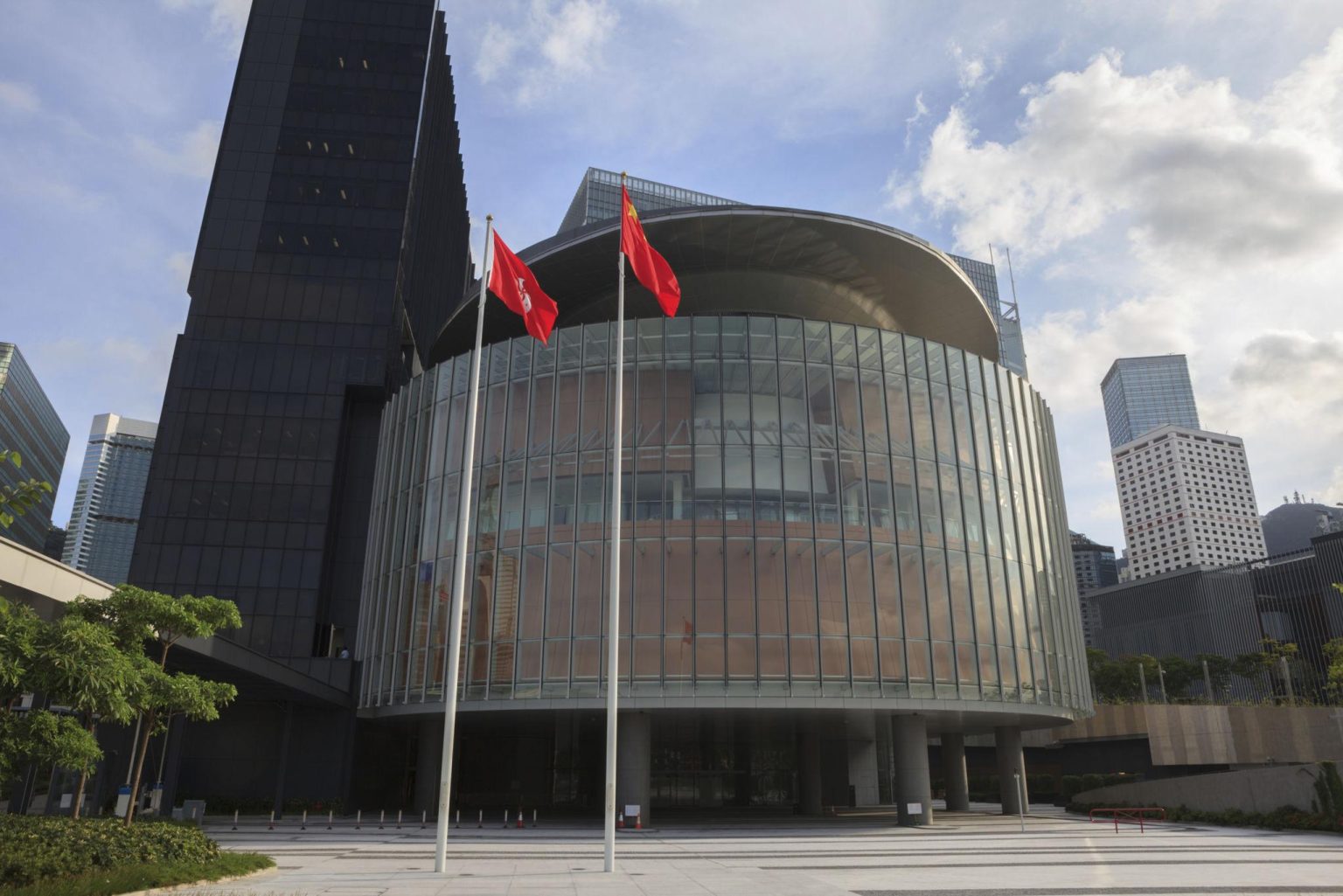
Members of Hong Kong’s Legislative Council have pushed back against foreign criticism of the Joshua Wong ruling, maintaining that the city’s courts operate independently and make decisions according to established legal procedures.
Lawmakers argue that political pressure from overseas governments risks undermining respect for Hong Kong’s legal institutions. They insist that individuals facing criminal proceedings should be judged according to the law rather than their political affiliations or international reputation.
Hong Kong authorities have repeatedly maintained that national security legislation is essential for protecting public order and preventing activities considered threats to national stability.
Critics, however, question whether the city’s legal system can maintain its traditional independence under Beijing’s expanding political influence.
Western Governments Raise Concerns Over Joshua Wong
The latest ruling involving Joshua Wong has drawn renewed attention from foreign governments concerned about human rights and democratic freedoms in Hong Kong.
Western officials have repeatedly criticised the use of national security legislation against opposition politicians, activists and journalists, arguing that such prosecutions have weakened the political freedoms once associated with the territory.
The United States and United Kingdom have been particularly vocal in expressing concerns about Hong Kong’s changing political environment.
For international observers, Wong’s case has become a symbol of the broader struggle over freedom of expression and political participation in the city.
Hong Kong officials reject accusations that prosecutions are politically motivated, maintaining that national security offences are treated as criminal matters regardless of an individual’s political views.
Who Is Joshua Wong and Why Is His Case Important?
Joshua Wong emerged as one of Hong Kong’s most recognisable democracy activists during the 2014 Umbrella Movement, when thousands of demonstrators demanded greater political representation and electoral reform.
Still a teenager at the time, Wong attracted international attention for his outspoken criticism of Beijing’s influence over Hong Kong.
He later became involved in further pro-democracy campaigns, including the political movement surrounding the mass demonstrations of 2019.
His activism made him a prominent figure internationally, but it also brought repeated legal challenges.
Wong has spent years facing criminal proceedings and imprisonment connected to his political activities. His situation remains closely watched by human rights organisations and governments concerned about Hong Kong’s political transformation.
National Security Law Remains at Centre of Dispute
Much of the controversy surrounding Wong stems from Hong Kong’s national security law, introduced by Beijing in June 2020 following months of widespread anti-government protests.
The legislation targets offences including secession, subversion, terrorism and collusion with foreign forces.
Chinese and Hong Kong authorities argue that the law restored stability after prolonged political unrest and helped protect the city’s economic and social environment.
Opponents believe its broad provisions have significantly restricted political opposition, public demonstrations and independent journalism.
The disagreement has become a major source of diplomatic friction between China and several Western countries.
What the Joshua Wong Ruling Means for Hong Kong
The latest confrontation demonstrates how Hong Kong’s domestic legal decisions continue to carry international political consequences.
For Beijing and Hong Kong authorities, defending the ruling is closely connected to protecting national sovereignty and rejecting foreign interference.
For Western governments and human rights advocates, the case raises wider concerns about the future of civil liberties under the territory’s changing political system.
Hong Kong remains an important international financial centre, making questions surrounding judicial independence and political stability particularly significant.
As the diplomatic disagreement continues, Wong’s case is likely to remain a focal point in international discussions about Hong Kong’s relationship with China and the future of democratic freedoms in the city.
The central disagreement remains unresolved: Hong Kong authorities insist that national security laws protect stability, while critics argue that their enforcement has come at a substantial cost to political freedom.