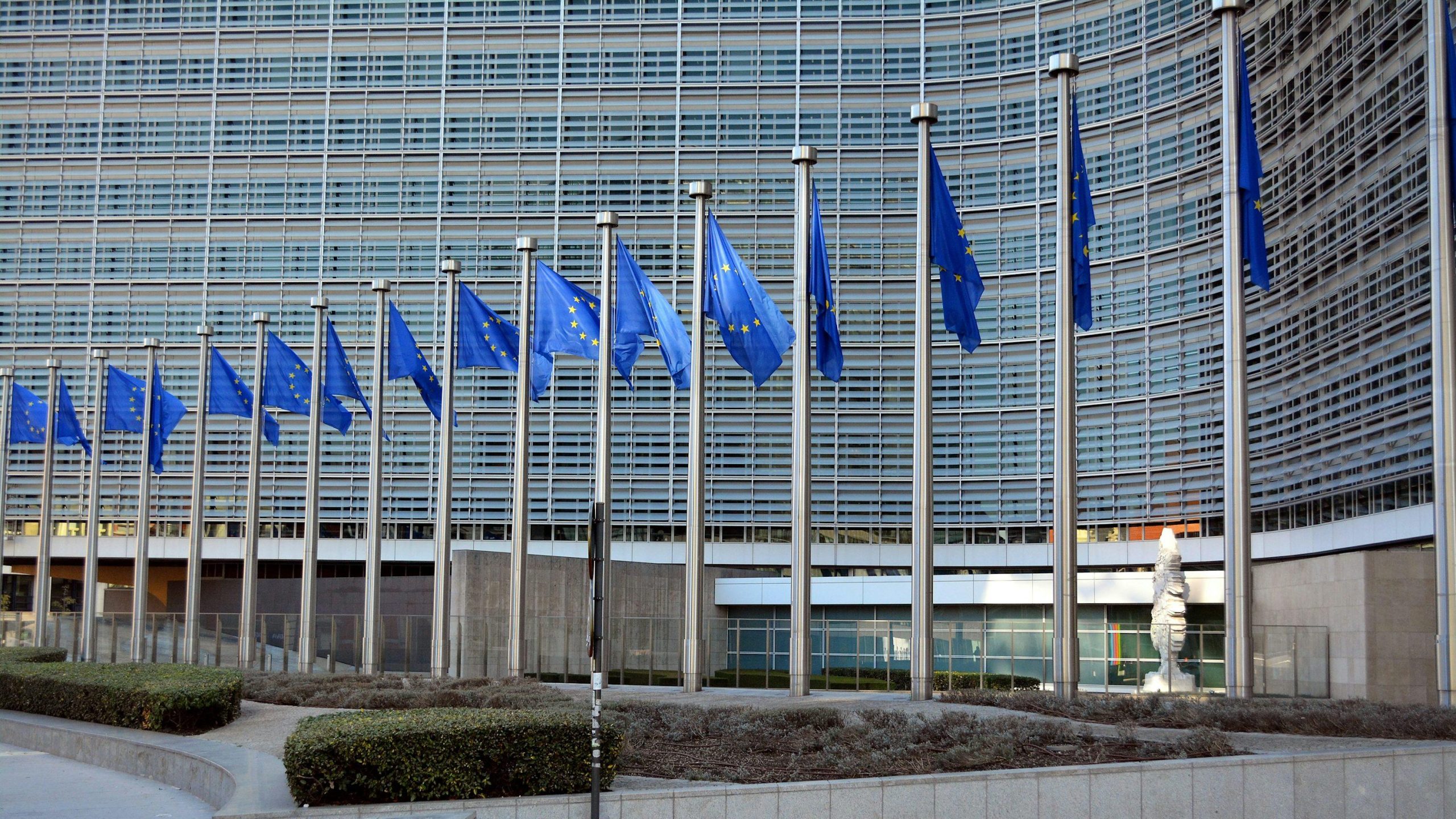
Luxembourg, 12 October, (Brussels Morning Newspaper) – The EU Foreign Affairs Council is meeting in Luxembourg to discuss Russia’s continuing invasion of Ukraine, rising security concerns across Europe and developments in the Middle East. The discussions bring together European Union foreign ministers to coordinate diplomatic priorities, assess restrictive measures against Moscow and examine international security challenges.
- Russia and Ukraine Remain Central to EU Security Talks
- Kaja Kallas Leads European Diplomatic Coordination
- Middle East Instability Raises Maritime Security Concerns
- Official EU Agenda Outlines Foreign Policy Priorities
- Why the Luxembourg Talks Matter for Europe
- What Happens Next After the Foreign Ministers’ Meeting?
The meeting comes ahead of the European Council summit scheduled for 15–16 October in Brussels, where EU leaders are due to consider Ukraine, defence, security and wider geopolitical developments.
Russia and Ukraine Remain Central to EU Security Talks
Russia’s war against Ukraine remains a central issue for European foreign policy, with ministers examining continued support for Kyiv and the implementation of sanctions targeting Moscow.
The European Union has introduced successive packages of restrictive measures since Russia launched its full-scale invasion of Ukraine in February 2022.
These measures include financial restrictions, trade limitations, export controls and sanctions against designated individuals and organisations.
Ministers are also addressing concerns about Russian hybrid activities, including threats involving critical infrastructure, cyber security and foreign interference.
European governments continue to coordinate their positions on Ukraine’s sovereignty, territorial integrity and long-term security.
Kaja Kallas Leads European Diplomatic Coordination
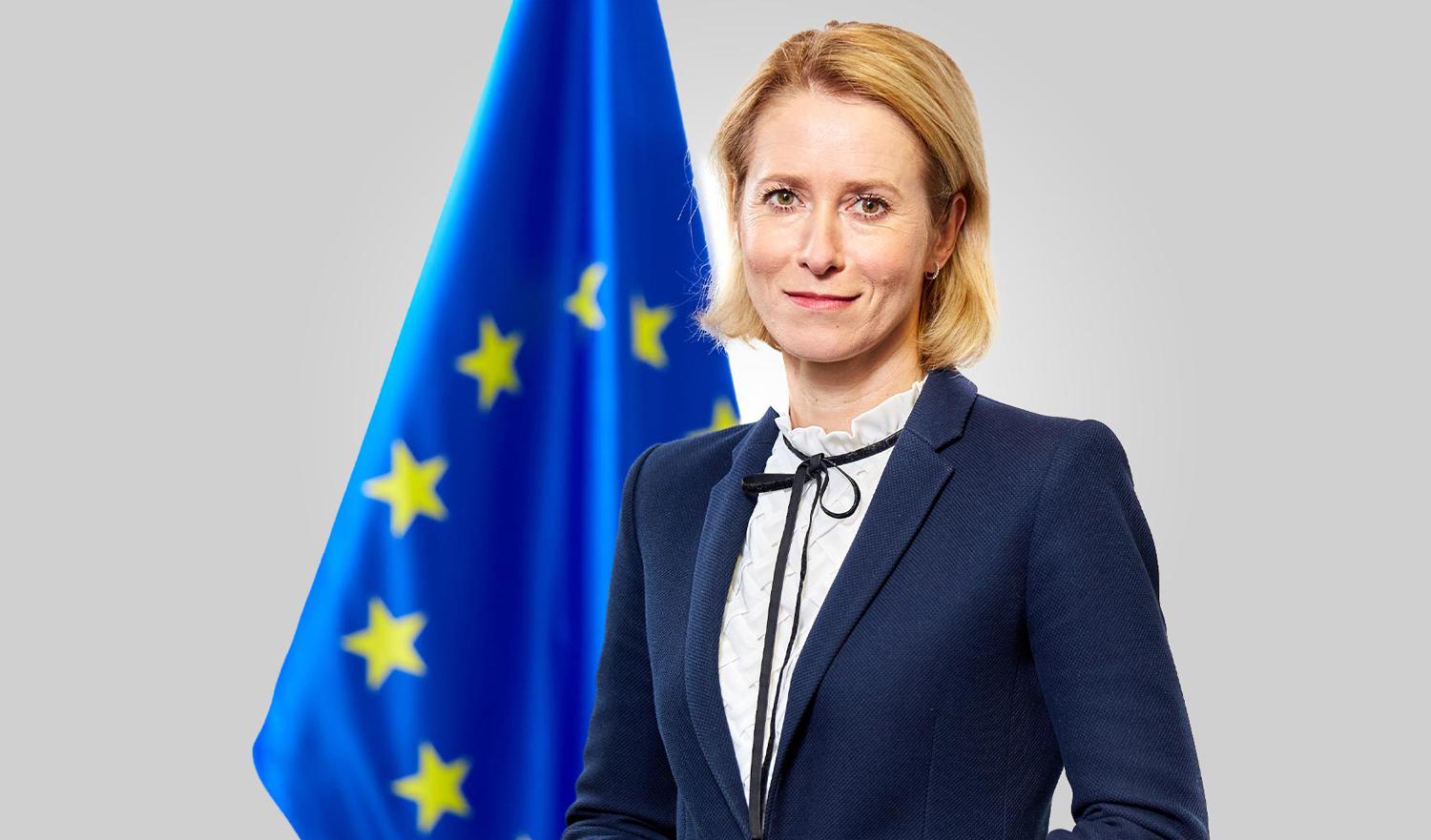
EU foreign policy chief Kaja Kallas chairs the Foreign Affairs Council in her capacity as High Representative for Foreign Affairs and Security Policy.
Her responsibilities include supporting cooperation between member states and representing the European Union in foreign and security policy matters.
The Council’s published agenda identifies Russia’s actions, European security and cooperation with international partners as important priorities.
Discussions also cover the security implications of EU enlargement and the alignment of candidate countries with European foreign policy.
Middle East Instability Raises Maritime Security Concerns
Developments in the Middle East form another significant part of the ministerial agenda.
European diplomats are examining regional security, relations with Gulf countries and challenges affecting international maritime navigation.
Freedom of navigation is particularly important for European economies because major shipping routes connect international energy producers, manufacturing centres and consumer markets.
Disruptions to maritime transport can increase freight costs, complicate supply chains and create uncertainty for businesses.
The ministers are also considering developments involving Gaza and the West Bank, alongside wider regional diplomatic priorities.
Official EU Agenda Outlines Foreign Policy Priorities
According to the Council of the European Union’s published meeting programme, ministers are addressing Ukraine, Russia’s hybrid activities, the Middle East and the security implications of enlargement.
The EU Foreign Affairs Council also provides an opportunity for member states to coordinate positions on foreign information manipulation and interference.
These subjects reflect the growing importance of combining traditional diplomacy with cyber security, infrastructure protection and international cooperation.
The meeting’s agenda establishes the issues under discussion but does not, by itself, confirm that ministers have reached new agreements.
Why the Luxembourg Talks Matter for Europe
The discussions have implications for European citizens, businesses and national governments.
Sanctions against Russia can affect international trade and financial relationships, while decisions concerning Ukraine influence European defence planning and diplomatic cooperation.
Middle East developments also remain important for energy security and commercial shipping.
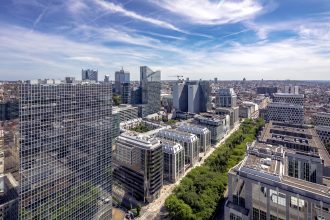
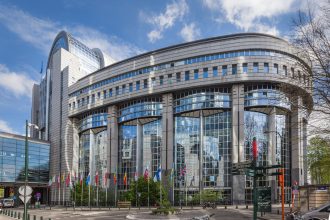
For EU institutions in Brussels, the ministerial discussions help prepare common positions ahead of meetings involving European heads of state and government.
What Happens Next After the Foreign Ministers’ Meeting?
The Council scheduled a concluding press conference for approximately 16:45 local time on 12 October, subject to changes in the programme.
Attention will subsequently turn to the European Council summit in Brussels on 15–16 October.
European leaders are expected to discuss Ukraine, the Middle East, European defence and broader security challenges.
Any additional sanctions, diplomatic commitments or formal policy decisions will depend on the relevant EU procedures and officially announced outcomes.