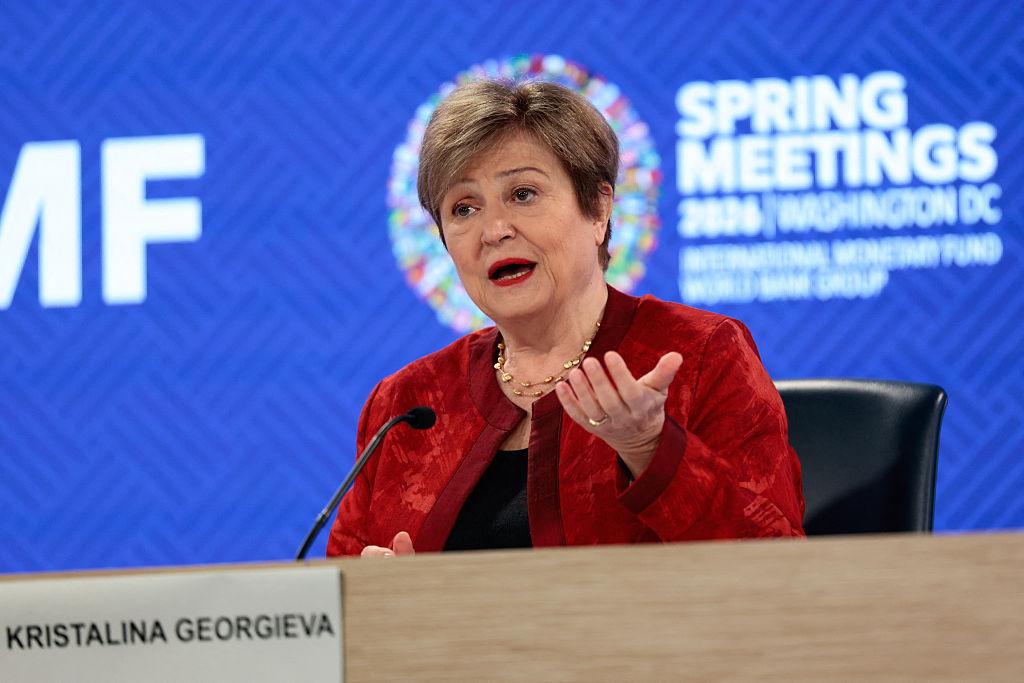
Washington, 7 November – Brussels Morning Newspaper – International Monetary Fund (IMF) Managing Director Kristalina Georgieva has warned that a slowdown in artificial intelligence-driven economic growth could influence how central banks respond to persistent inflation and growing financial market uncertainty.
- AI Investment Boom Supports Global Economic Growth
- Why Central Banks Are Watching AI Growth Closely
- IMF Warns Global GDP Could Fall if AI Investment Collapses
- Technology Stock Selloff Raises Financial Stability Concerns
- What an AI Slowdown Could Mean for the US and Europe
- Global Central Banks Face a New Economic Challenge
Speaking at IMF headquarters in Washington on Friday, Georgieva said policymakers must consider the economic consequences of weakening AI investment as they decide whether to raise, lower or maintain interest rates.
Her remarks come as global technology stocks face renewed selling pressure, with investors questioning whether the enormous sums being invested in AI infrastructure will generate the expected financial returns.
AI Investment Boom Supports Global Economic Growth
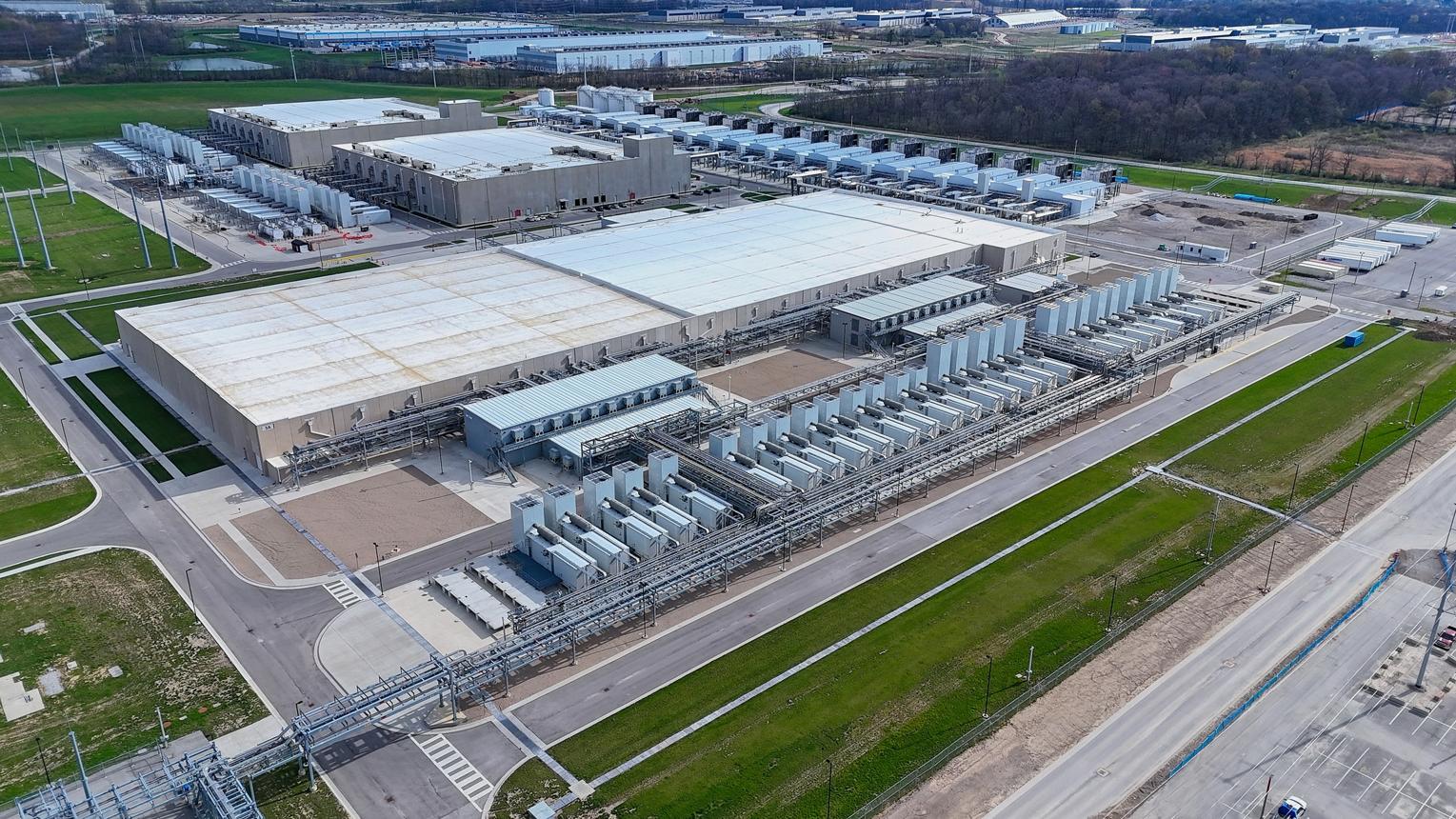
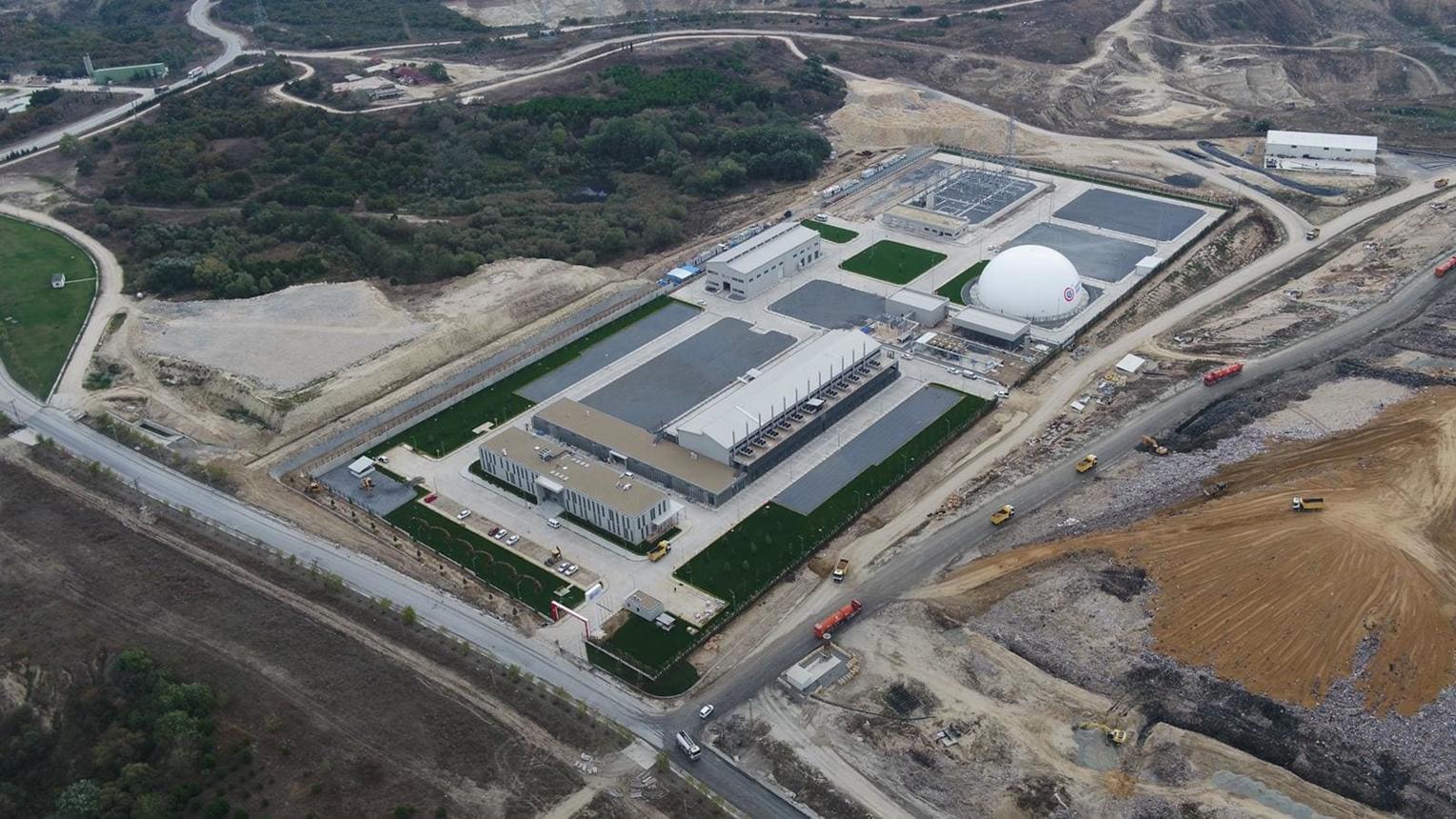
Artificial intelligence has become an increasingly important driver of economic activity, encouraging businesses to spend heavily on data centres, advanced computing systems and supporting infrastructure.
According to Georgieva, this investment has helped sustain economic growth in several countries despite the disruption caused by the ongoing conflict in the Middle East and higher energy costs.
However, the rapid expansion of AI infrastructure also creates challenges for monetary policymakers.
Large investments can increase demand for electricity, construction materials and capital, potentially adding to inflationary pressures before longer-term productivity benefits emerge.
For central banks already struggling to bring inflation under control, the possibility of an AI investment slowdown introduces another layer of uncertainty.
Why Central Banks Are Watching AI Growth Closely
Central banks typically adjust interest rates according to inflation, employment and economic activity.
A slowdown in AI-related investment could weaken business spending, reduce demand for construction and technology services, and undermine broader economic growth.
Such developments could make policymakers more cautious about raising borrowing costs.
However, persistent inflation, particularly from higher energy prices, could still require restrictive monetary policy.
Georgieva stressed that any weakening in the growth generated by AI investment would need to be considered alongside inflation risks when determining future policy decisions.
IMF Warns Global GDP Could Fall if AI Investment Collapses
The IMF has previously highlighted the potential economic damage from a sharp reversal in AI investment.
In its October assessment, the Fund warned that a significant decline in spending on artificial intelligence could trigger falling asset prices and weaken economic activity.
Under that downside scenario, global gross domestic product could be 1.1% lower by 2028, while US economic output could fall by 1.8%.
These figures represent a potential risk scenario rather than the IMF’s baseline economic forecast.
The warning illustrates how closely the global economy has become connected to the technology investment cycle.
Technology Stock Selloff Raises Financial Stability Concerns
Georgieva’s comments followed a sharp decline in technology shares, reflecting growing investor concerns about high valuations and the uncertain profitability of AI projects.
Political developments in the United States have added to the uncertainty.
Following the Democratic Party’s victory in the congressional midterm elections, investors have begun assessing the possibility of tighter regulation of artificial intelligence systems and data-centre development.
Greater regulatory scrutiny could affect investment decisions at a time when technology companies are committing substantial resources to AI expansion.
The market turbulence has also increased concerns about financial stability, particularly where investors and businesses have relied heavily on borrowed money to finance AI-related investments.
What an AI Slowdown Could Mean for the US and Europe
The potential consequences of weaker AI investment extend beyond the American technology industry.
In the United States, reduced spending on data centres and computing infrastructure could affect construction, energy demand, employment and financial markets.
European economies could also experience indirect effects through global investment flows, technology supply chains and changes in borrowing costs.
For the European Central Bank, weaker global growth could complicate decisions about interest rates, especially if energy prices continue to keep inflation elevated.
The challenge is that slowing economic growth does not necessarily mean inflation will decline at the same pace.
That combination could leave policymakers facing difficult choices between supporting economic activity and maintaining price stability.
Global Central Banks Face a New Economic Challenge
The IMF’s warning highlights a broader shift in the relationship between artificial intelligence and monetary policy.
AI is no longer simply a technology-sector story. The scale of investment means developments in the industry can influence economic growth, capital markets and inflation expectations.
For central banks, understanding whether the AI boom will continue delivering economic benefits is becoming increasingly important.
Georgieva’s message is that policymakers cannot ignore the risks of a slowdown, even while AI investment continues to support growth.
With financial markets increasingly sensitive to technology valuations, future interest rate decisions may depend partly on whether the AI expansion maintains its momentum.