
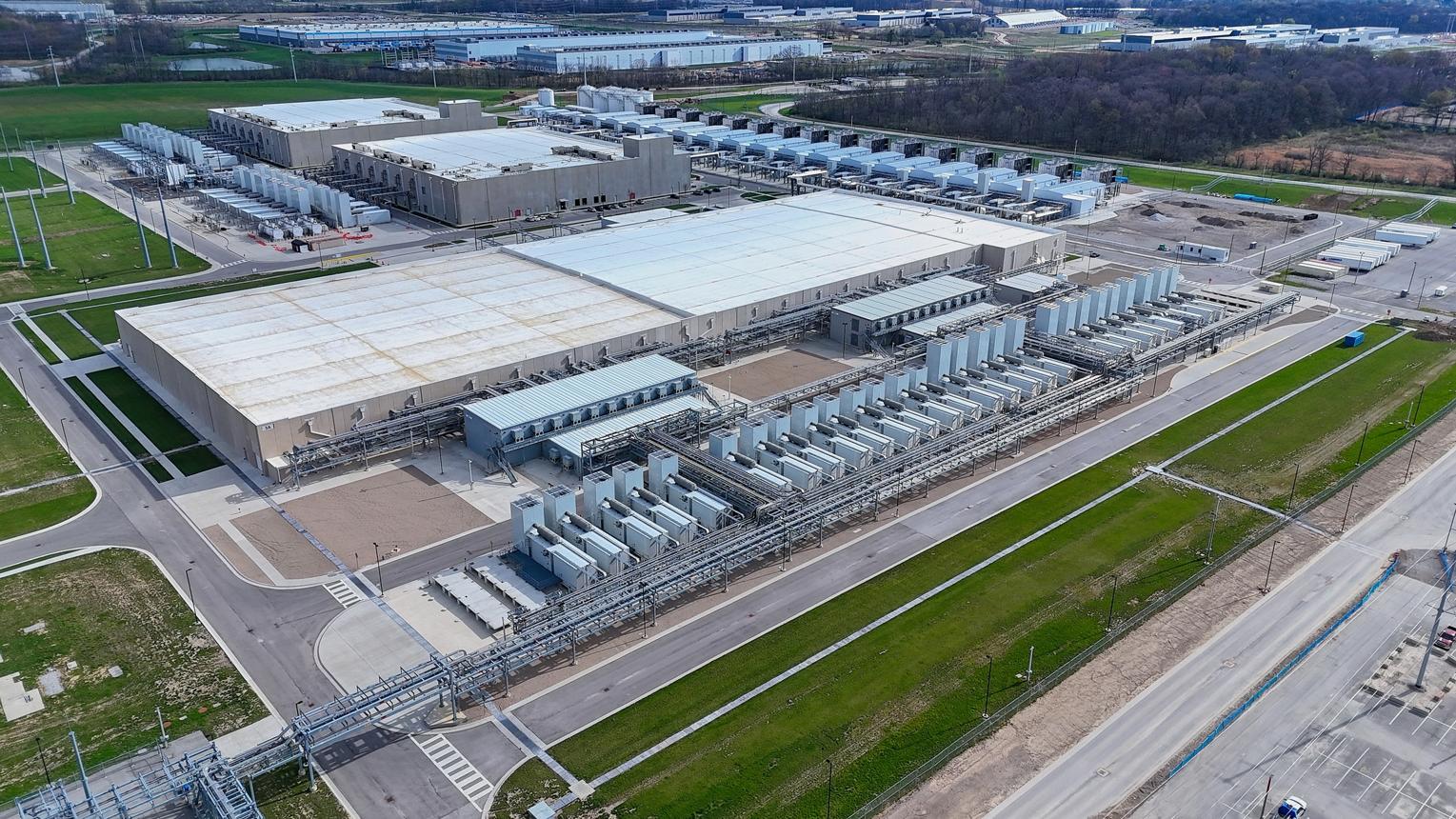
Global / United Nations, 7 November – Brussels Morning Newspaper – Environmental organizations around the world are increasingly turning to artificial intelligence to protect wildlife, monitor forests and tackle climate change. But the technology helping them work faster is also creating a serious environmental challenge.
- How Environmental Groups Are Using AI to Protect Nature
- AI Data Centers Raise Concerns Over Electricity and Water Consumption
- Conservation Organizations Look for Ways to Reduce AI’s Carbon Footprint
- Greenpeace Questions the Need for Massive Data Center Expansion
- COP31 Climate Summit to Address Sustainable AI Development
- Can Artificial Intelligence Help Fight Climate Change Without Making It Worse?
AI-powered systems can identify endangered animals, detect potential wildfires and analyze years of scientific research in a fraction of the time previously required. At the same time, the data centers supporting these tools consume substantial amounts of electricity and water.
According to a Reuters report published on November 7, 2026, all 15 major environmental and development organizations interviewed said they were using AI in some form while acknowledging concerns about its environmental footprint.
How Environmental Groups Are Using AI to Protect Nature
Artificial intelligence is becoming a practical tool for conservation teams working with limited resources and enormous amounts of environmental data.
Conservation International has introduced AI technology to analyze satellite-detected hotspots in Cambodia. The system helps identify potential wildfires and alert community forest patrols operating in remote areas.
In Kenya, Save the Elephants is using machine learning to improve wildlife population surveys. The organization says AI can process large collections of aerial photographs in hours rather than months, helping researchers identify animals that traditional surveys may overlook.
The Jane Goodall Institute is also applying AI to decades of handwritten chimpanzee research from Tanzania’s Gombe National Park. A digitization project that could previously have taken up to 15 years is now expected to take around two years.
These developments show why conservation organizations are reluctant to reject AI, even when they question the environmental costs of the infrastructure behind it.
AI Data Centers Raise Concerns Over Electricity and Water Consumption
The environmental cost of artificial intelligence is becoming harder to ignore as technology companies expand their computing infrastructure.
Data centers require continuous electricity to operate servers, while cooling equipment can place additional pressure on local water supplies.
The International Energy Agency projects that global data center electricity consumption could reach approximately 945 terawatt-hours annually by 2030, roughly twice its current level.
Water demand is also expected to increase sharply. IEA projections cited by Reuters suggest global data center water consumption could rise from approximately 560 billion liters in 2023 to 1.2 trillion liters annually by 2030.
These figures raise difficult questions about whether the environmental benefits of AI applications can outweigh the resources required to operate them.
Conservation Organizations Look for Ways to Reduce AI’s Carbon Footprint
Rather than abandoning artificial intelligence, some environmental organizations are changing how they use it.
The World Resources Institute is limiting resource-intensive AI applications, including image and video generation. It also reuses previous AI query results where possible, reducing unnecessary computing demand.
The Nature Conservancy is taking another approach. Its AI-powered cameras can analyze fishing activity directly aboard vessels instead of sending large volumes of footage to distant data centers.
Such methods could help organizations benefit from AI without placing unnecessary pressure on energy infrastructure.
Greenpeace Questions the Need for Massive Data Center Expansion
Not every environmental organization believes the growing reliance on artificial intelligence is justified.
Greenpeace International has expressed concern about the scale of data center construction and its potential consequences for climate goals.
Although the organization uses some AI-enabled software, it supports stricter oversight, transparency and human involvement in decisions about the technology.
Its position highlights a growing divide within the environmental movement: whether organizations should focus on making AI more sustainable or question how much computing infrastructure society actually needs.
COP31 Climate Summit to Address Sustainable AI Development
The environmental consequences of artificial intelligence are expected to attract attention at the COP31 climate conference in Türkiye.
The host country plans to promote principles encouraging governments, businesses and institutions to develop and deploy AI more sustainably.
United Nations Secretary-General António Guterres has also called for major AI companies to disclose information about their systems’ environmental impacts.
Meanwhile, protests against data center expansion are spreading across Europe. Demonstrators have raised concerns about electricity demand, water consumption and the effects of large computing facilities on surrounding communities.
Can Artificial Intelligence Help Fight Climate Change Without Making It Worse?
The challenge facing environmental organizations is no longer simply whether AI can support conservation. Evidence from wildlife monitoring, forest protection and scientific research suggests that it can.
The harder question is how to measure those benefits against the technology’s environmental costs.
Greater transparency about electricity consumption, water demand and emissions could help organizations make more informed decisions.
For conservation groups, the goal is to use artificial intelligence where it delivers meaningful environmental benefits while avoiding unnecessary computing demands.
As AI adoption accelerates, that balance could become an important part of global climate policy.