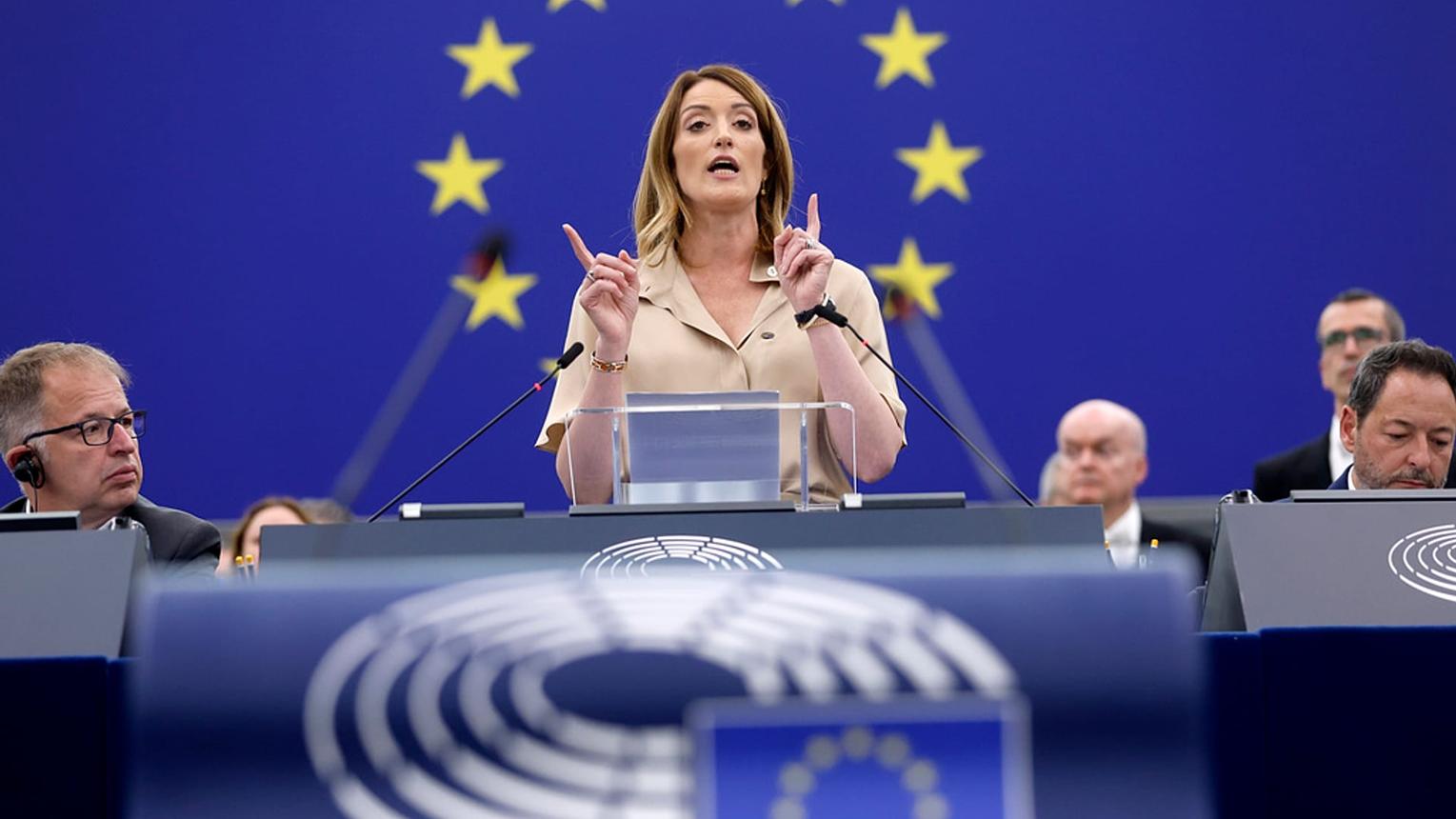
Brussels, 30 October, (Brussels Morning Newspaper) – Gender Equality Week 2026 is drawing attention to women’s leadership, political representation and equal opportunities across the European Union, as the European Parliament continues its work to address inequalities affecting women in public and professional life.
- Gender Equality Week 2026 Highlights Women’s Leadership
- European Parliament Focuses on Women’s Political Representation
- EU Officials Emphasise Equal Opportunities for Women
- Gender Equality Week 2026 Builds on Existing EU Policies
- Why Women’s Leadership Matters for European Businesses
- Brussels Remains Central to European Equality Discussions
- What Happens Next for Gender Equality in Europe?
The annual parliamentary initiative provides an opportunity for European lawmakers to examine challenges facing women in politics, business, employment and decision-making.
Gender Equality Week 2026 also highlights the importance of implementing existing equality legislation and addressing barriers that continue to influence women’s career progression, financial independence and representation in senior positions.
The initiative reflects the European Parliament’s broader commitment to ensuring that gender equality remains an important consideration in European policymaking.
Gender Equality Week 2026 Highlights Women’s Leadership
Women’s leadership remains a central subject in discussions about equal opportunities across European institutions and businesses.
Gender Equality Week 2026 provides a platform for examining the challenges women encounter when pursuing leadership positions in politics, public administration and the private sector.
These challenges can include unequal access to professional opportunities, discrimination, limited representation in senior management and difficulties balancing employment with caring responsibilities.
European lawmakers have previously examined these issues through parliamentary committees and debates addressing women’s participation in public life.
Improving representation is important because decisions made by political and business leaders influence employment conditions, economic opportunities and public policy.
European Parliament Focuses on Women’s Political Representation
Women’s participation in democratic institutions remains an important priority for European policymakers.
Although women serve in the European Parliament, national governments and local authorities, representation continues to vary across institutions and leadership positions.
Gender Equality Week 2026 places these concerns within the wider discussion about democratic participation and equal access to political opportunities.
The European Parliament has previously examined online harassment, intimidation and disinformation targeting women involved in politics.
Such behaviour can discourage political participation and create additional obstacles for women seeking public office.
Addressing these challenges requires attention to democratic rights, institutional accountability and the protection of individuals participating in public debate.
EU Officials Emphasise Equal Opportunities for Women
European Parliament President Roberta Metsola has previously emphasised the importance of ensuring that women can pursue their ambitions across different professions.
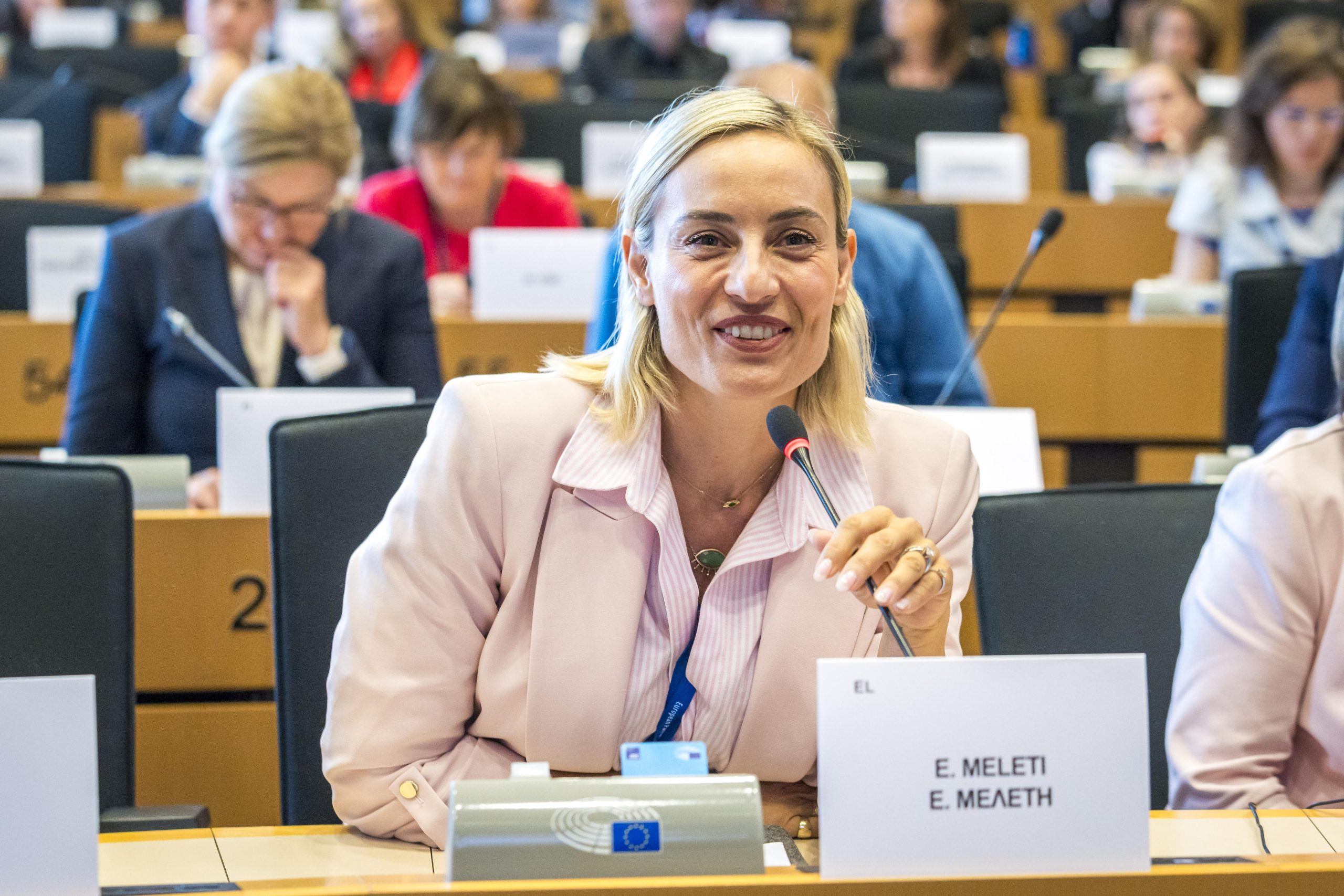
Parliament Vice-President Antonella Sberna and Lina Gálvez, chair of the Committee on Women’s Rights and Gender Equality, have also participated in parliamentary initiatives supporting women’s representation.
Their involvement reflects the importance European institutions attach to improving opportunities for women.
Gender Equality Week 2026 continues the wider parliamentary focus on women’s participation in leadership, employment and political decision-making.
European institutions have also recognised that improving equality requires attention to the practical obstacles affecting women’s professional and personal lives.
These include employment conditions, access to training, career advancement and the distribution of caring responsibilities.
Gender Equality Week 2026 Builds on Existing EU Policies
The European Parliament introduced its annual Gender Equality Week in 2020 to encourage parliamentary committees to incorporate women’s rights into their activities.
Previous editions have examined political participation, workplace inequality, violence against women and challenges affecting women’s economic independence.
The initiative complements existing European Union legislation addressing discrimination and unequal opportunities.
The EU has adopted measures concerning pay transparency, gender balance among directors of listed companies and violence against women and domestic violence.
The Pay Transparency Directive seeks to strengthen the enforcement of equal pay for equal work or work of equal value.
Meanwhile, European rules on gender balance among corporate directors aim to improve representation within the leadership structures of certain listed companies.
However, implementing legislation remains an important responsibility for national governments and relevant authorities.
Why Women’s Leadership Matters for European Businesses
Gender Equality Week 2026 also draws attention to the relationship between women’s leadership and economic participation.
Businesses across Europe face questions about recruitment, promotion, workplace standards and equal access to professional opportunities.
Women may encounter barriers when seeking senior management positions, particularly where career progression depends on access to professional networks or opportunities for advancement.
Differences in employment patterns and earnings can also affect long-term financial security and retirement income.
For employers, fair recruitment and promotion practices can support access to a broader range of skills and professional experience.
European policymakers must consider how equality measures operate across different industries and national employment systems.
These discussions connect women’s leadership with broader economic priorities, including workforce participation and fair employment conditions.
Brussels Remains Central to European Equality Discussions
Brussels plays an important role in European gender equality policymaking because it hosts major EU institutions involved in legislative and political decision-making.
Gender Equality Week 2026 provides a relevant context for examining how European institutions address women’s representation and equal opportunities.
The European Parliament’s committee structure allows equality concerns to be considered across policy areas including employment, education, economic affairs and democratic participation.
Parliamentary discussions can also help identify challenges requiring cooperation between European institutions and national governments.
However, debates and parliamentary events do not automatically result in new legislation.
Any proposed legal measures must follow the applicable EU legislative procedures before becoming binding.
What Happens Next for Gender Equality in Europe?
Gender Equality Week 2026 places renewed attention on the importance of improving women’s participation in political, economic and professional leadership.
The European Parliament’s established annual initiative provides a framework for discussing progress, identifying continuing challenges and considering policy responses.
Specific events, speakers and outcomes for the 2026 edition still require confirmation through official parliamentary announcements.
Future discussions may address implementation of existing equality legislation, workplace opportunities and women’s representation in decision-making institutions.
For European citizens, the central issue is whether equality commitments translate into meaningful improvements in employment conditions, democratic participation and access to leadership opportunities.
The European Parliament’s continuing attention to these questions demonstrates the importance of women’s rights within the EU’s wider social, economic and democratic priorities.