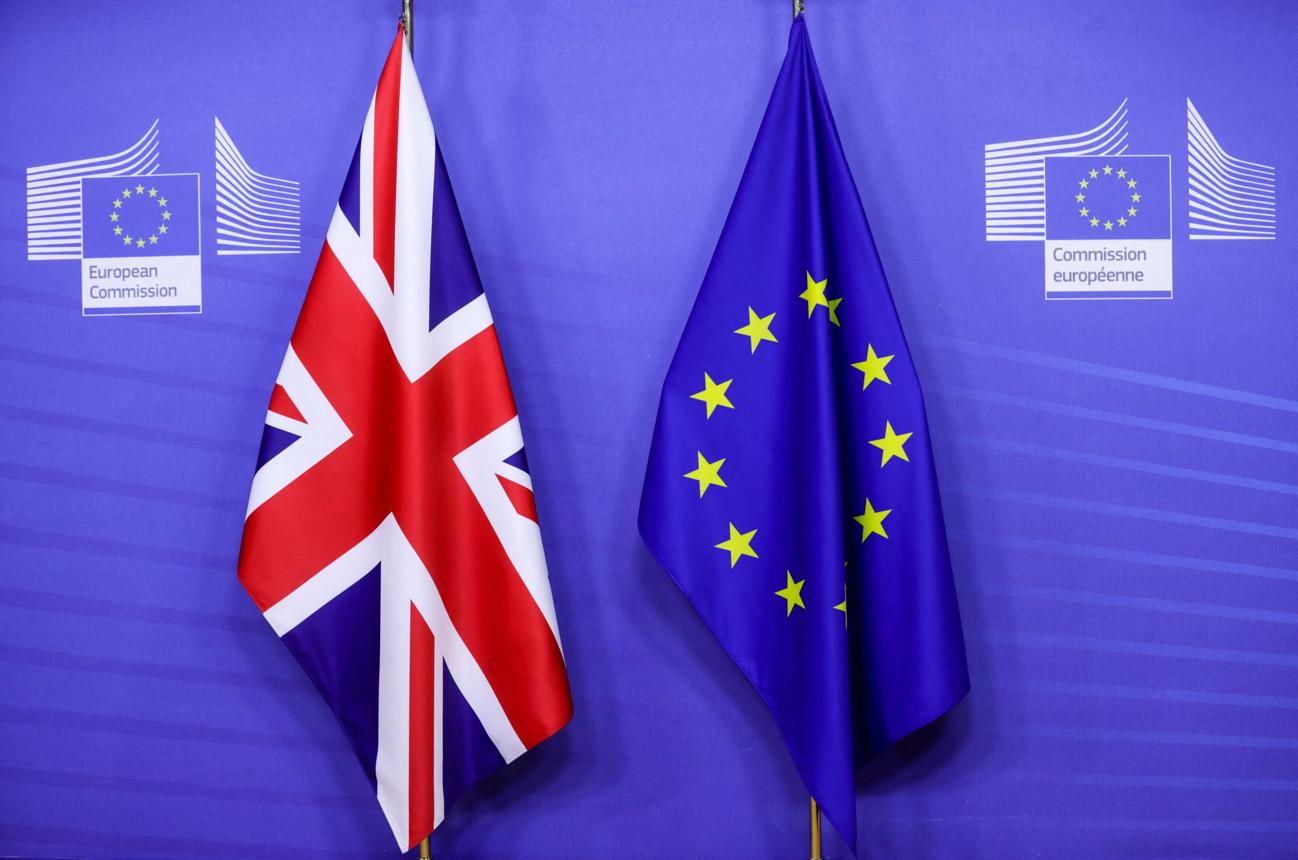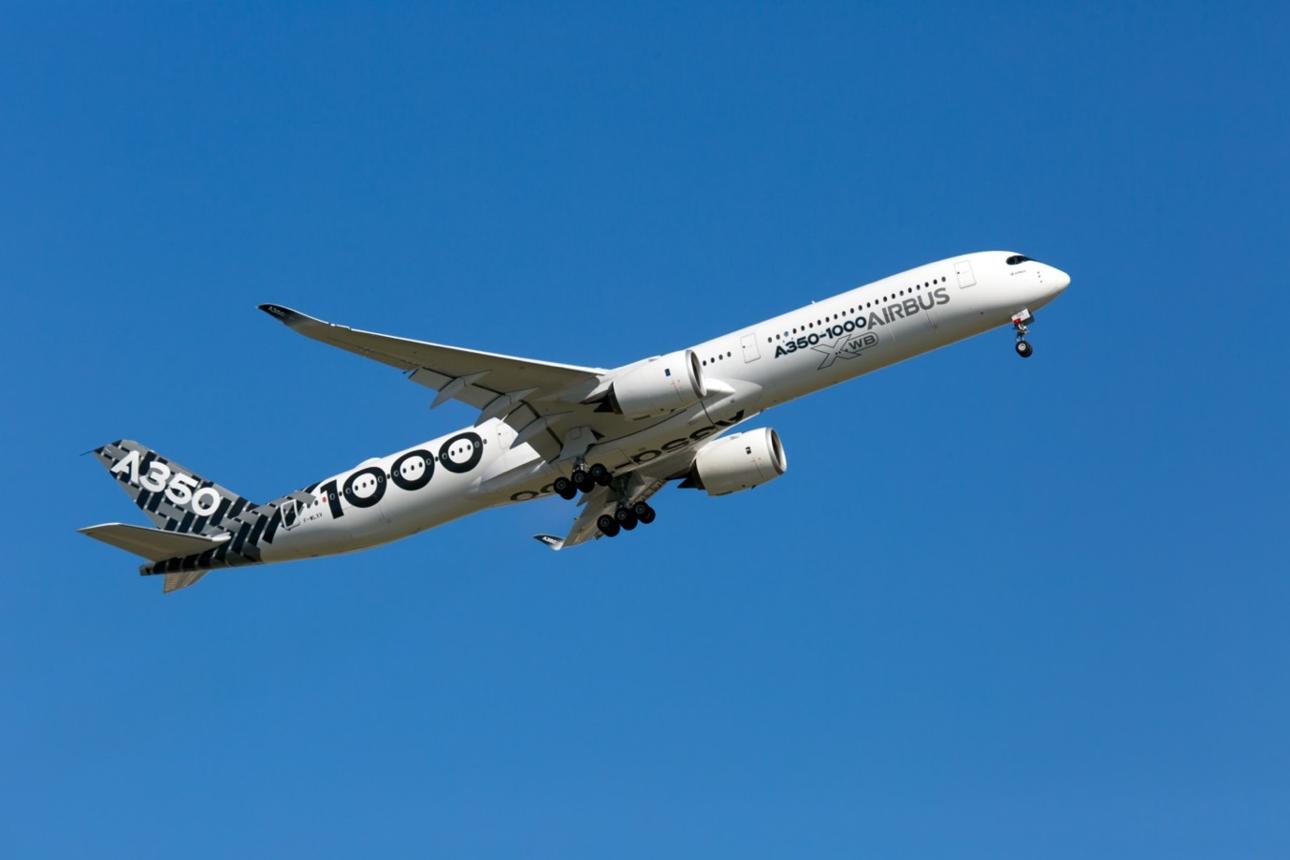
Brussels, 27 October, (Brussels Morning Newspaper) – The Airbus loan dispute has renewed trade tensions between the European Union and the United States after Washington questioned a €3 billion financing package approved by the European Investment Bank (EIB). US Trade Representative Jamieson Greer warned on 26 October that insufficient transparency surrounding the agreement could threaten the transatlantic truce on aircraft subsidies.
The disagreement comes as Brussels seeks to strengthen Europe’s aerospace industry while maintaining stable commercial relations with Washington.
US Challenges European Investment Bank Financing
The controversy concerns a €3 billion financing commitment, approximately $3.4 billion, announced by the EIB on 29 June 2026.
The bank confirmed that an initial €1 billion loan had been signed in Brussels as part of the largest corporate financing envelope it had ever authorised.
The funding is intended to support Airbus research and development through 2030, including commercial aviation, defence technologies and advanced manufacturing projects in France, Germany and Spain.
Washington has questioned whether the financing complies with commitments requiring government-backed support for large civil aircraft manufacturers to reflect market conditions.
Washington Issues Strong Warning Over Trade Agreement
In a statement issued on 26 October, Greer said American officials had repeatedly requested information about the financing arrangement.
He warned:
“This situation injects substantial uncertainty into transatlantic trade in the aerospace sector.”
Greer argued that resolving the disagreement quickly was necessary to protect the existing aircraft trade agreement.
However, the US government has not established that the financing breaches World Trade Organization rules.
The warning represents a diplomatic challenge rather than an announcement of new tariffs or formal trade sanctions.
Airbus and EIB Defend European Financing
Airbus has maintained that the financing represents conventional corporate borrowing on market terms.
According to Reuters, the manufacturer said the arrangement supports its international operations and provides additional financial flexibility.
The European Investment Bank also defended the agreement as a normal lending operation rather than exceptional government assistance.
When the financing was announced in June, EIB President Nadia Calviño described it as an important investment in Europe’s technological capabilities and industrial competitiveness.
Airbus Chief Financial Officer Thomas Toepfer welcomed the flexible financing conditions and their contribution to long-term aerospace research.
Aircraft Subsidy Dispute Revives Historical Trade Concerns
The Airbus loan dispute follows a lengthy confrontation between Washington and Brussels over public support for Airbus and Boeing.
The disagreement produced years of litigation at the World Trade Organization and retaliatory tariffs affecting billions of dollars in transatlantic commerce.
In 2021, the United States and European Union agreed to suspend aircraft-related tariffs for five years while pursuing a negotiated settlement.
That arrangement was extended in July 2026, making the latest disagreement particularly significant for both sides.
What the Trade Row Means for European Businesses
Renewed uncertainty could affect aerospace manufacturers, suppliers and companies involved in international aircraft production.
Airbus operates through extensive European and global supply chains, meaning changes to trade conditions can influence investment decisions and industrial planning.
For Brussels, the controversy also highlights the challenge of supporting strategic European industries while maintaining commitments to fair international competition.
The disagreement has not resulted in new retaliatory duties, but it has brought aircraft financing back into the wider transatlantic trade debate.
What Happens Next for Brussels and Washington?
The immediate question is whether additional information about the loan will satisfy US concerns.
Further exchanges between American trade officials, European institutions and Airbus could help clarify the financing conditions.
No formal deadline for resolving the disagreement was announced in Greer’s statement.
The existing aircraft trade arrangement remains in place, although the latest warning demonstrates continuing differences over industrial financing and competition.
Sources: Office of the United States Trade Representative, 26 October 2026; European Investment Bank, 29 June 2026; Reuters, 27 October 2026.