Brussels, 22 October, (Brussels Morning Newspaper) – The Brussels scooter ban has been introduced across 19 drug-trafficking hotspots as regional authorities intensify efforts to tackle shootings, organised crime and public disorder. Brussels Minister-President Boris Dilliès signed the new police decree on 21 October, restricting both privately owned and shared electric scooters in designated high-risk neighbourhoods.
The decision forms part of a wider security strategy aimed at disrupting criminal activity and improving coordination between police forces, local councils and prosecutors.
Brussels Introduces Major Security Crackdown in Drug Hotspots
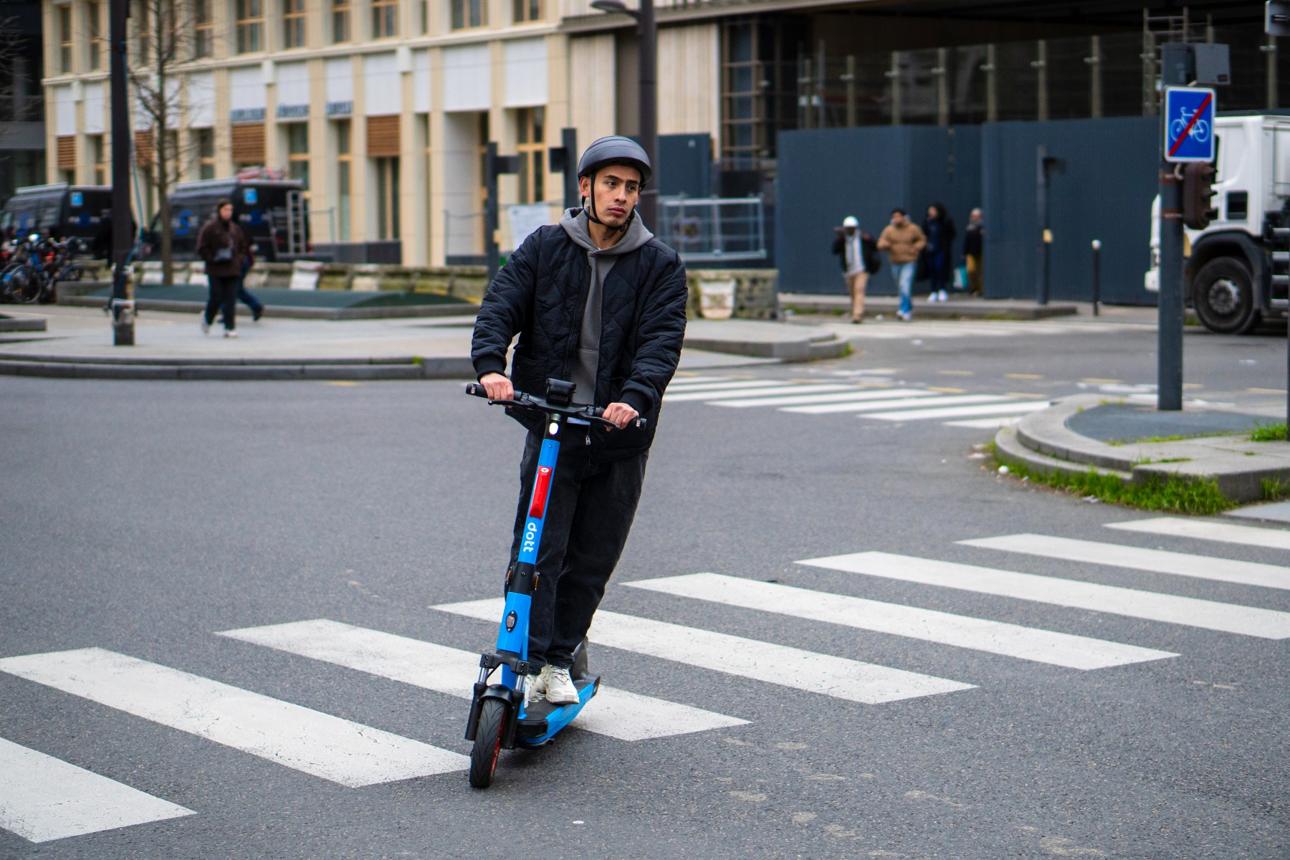
The new regulations prohibit electric scooters from being ridden or parked within 19 designated areas associated with drug trafficking and violence.
Affected neighbourhoods include Brussels-Midi, Brussels-North, Ribaucourt, Clemenceau, Peterbos, Matongé and Elisabeth Park.
The decree also maintains restrictions on public alcohol consumption and takeaway alcohol sales between 10 pm and 6 am, with exceptions for hospitality businesses.
Police officers can carry out identity checks, administrative seizures and security searches under the applicable legal provisions.
Regional authorities say the measures will create a consistent approach to tackling drug-related disorder across municipal boundaries.
Brussels Shootings Raise Serious Public Safety Concerns
The restrictions follow growing concern about gun violence connected to organised drug trafficking in the Belgian capital.
According to figures reported by Belgian media, Brussels recorded 74 shootings between January and September 2026, resulting in two deaths and 28 injuries.
Authorities also reported that electric scooters were involved in more than a quarter of drug-related shootings between January 2025 and July 2026.
Investigators identified cases in which scooters were used during attacks or as getaway vehicles.
The findings contributed to the decision to restrict scooter movements in areas experiencing concentrated criminal activity.
Boris Dilliès Strengthens Regional Police Coordination
Brussels Minister-President Boris Dilliès has emphasised the need for coordinated action against criminal organisations operating across municipal boundaries.
The new framework brings together local mayors, police districts, prosecutors and regional prevention and security services.
Municipal authorities retain their responsibility for maintaining public order, while the regional government can coordinate measures when criminal activity affects several municipalities.
The decree replaces temporary security arrangements that had been renewed every six months since the regional anti-drugs strategy began in 2024.
New Restrictions Affect Residents and Commuters
The Brussels scooter ban will affect residents, commuters, delivery workers and visitors travelling through designated neighbourhoods.
People using private electric scooters must observe the same restrictions as customers of shared mobility operators.
Local authorities can introduce additional controls when serious threats emerge, including restrictions on gatherings, resident-only access, temporary business closures and curfews.
The measures are intended to reduce opportunities for criminal activity while addressing safety concerns in affected communities.
However, their effectiveness will depend on enforcement and developments in local crime patterns.
What Happens Next for Brussels Security Measures?
Under the new arrangements, municipal authorities will review each designated hotspot every three months.
Mayors can request the addition or removal of neighbourhoods based on changing security conditions.
The Brussels scooter ban therefore forms part of a permanent but adjustable regional policing framework.
Authorities will continue assessing the restrictions as Brussels strengthens its response to drug trafficking, armed violence and public safety challenges.