
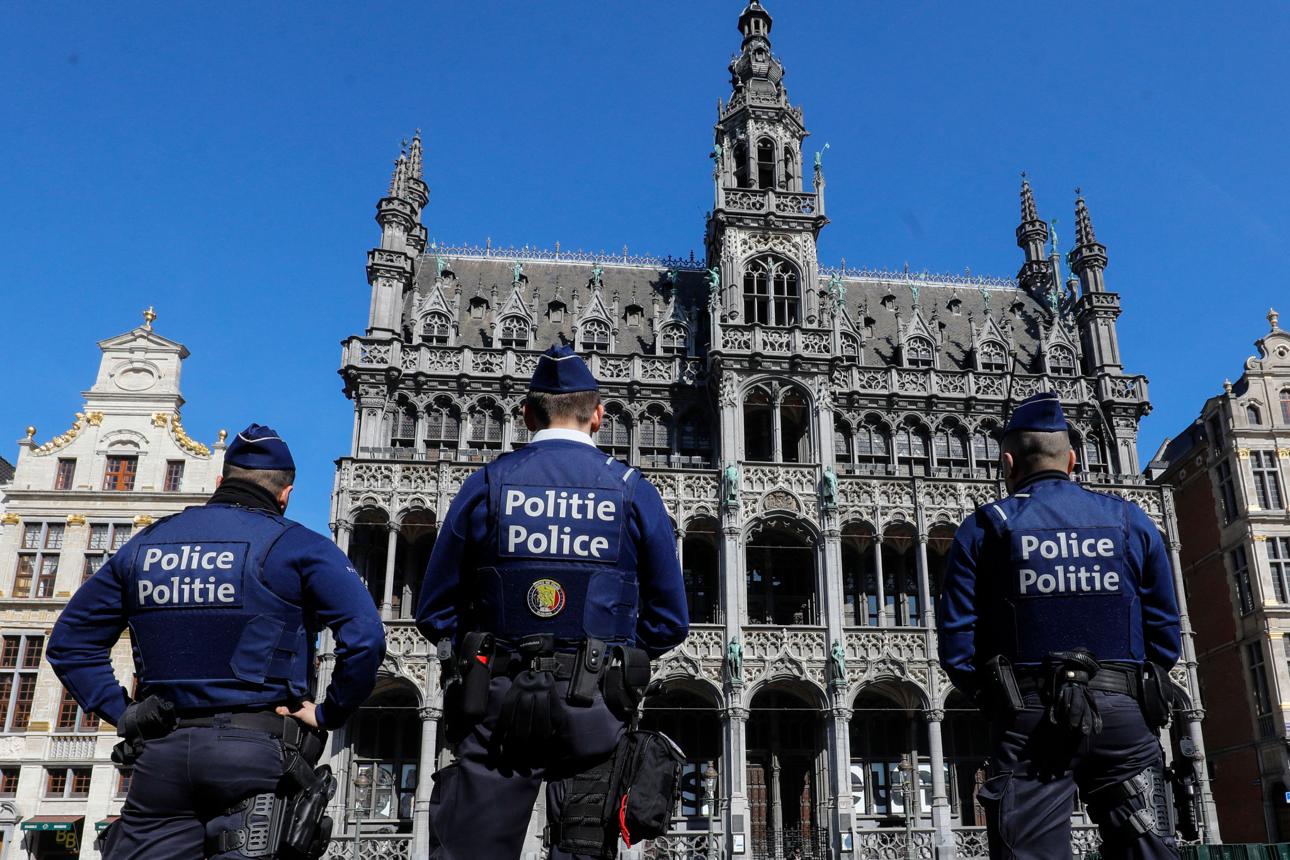
Brussels, 19 October, (Brussels Morning Newspaper) – Brussels Mayor Philippe Close has rejected a proposal to establish a joint police-military security unit, intensifying political disagreements over how Belgium should respond to violent unrest and public safety concerns. The dispute over Brussels police reform centres on Defence Minister Theo Francken’s proposal to create a military-trained security force, while Close argues that strengthening existing police services would be a more effective use of public resources.
The disagreement highlights competing approaches to public security in the Belgian capital, where authorities continue to address organised crime, disturbances and pressure on law enforcement resources.
Brussels Mayor Challenges Military-Style Police Proposal
Defence Minister Theo Francken, a member of the New Flemish Alliance (N-VA), has proposed establishing a specialised security formation described as “gendarmerie 2.0”.
The initiative would involve personnel trained to respond to serious public disorder and assist police during major security incidents.
Francken discussed the proposal during an appearance on RTL-TVi on Sunday, 18 October.
However, Mayor Philippe Close, representing the Socialist Party (PS), questioned whether Belgium needed another security organisation when existing police services require additional investment.
His objections underline concerns about creating overlapping responsibilities between civilian law enforcement and military institutions.
Philippe Close Calls for Stronger Police Resources
Speaking on Bel-RTL on Monday, 19 October, Close argued that additional government funding should support established police intervention units rather than finance an entirely new organisation.
The mayor maintained that strengthening operational capabilities, recruitment and judicial resources would provide a more practical response to security challenges.
He also questioned whether establishing another security structure would create unnecessary political and administrative complications.
The dispute reflects broader disagreements over how Belgium should allocate security funding and coordinate responsibilities between federal authorities and local police.
Belgian Government Expands Military Support for Security
Belgium already permits military personnel to support certain policing operations in Brussels.
On 18 September, the federal government approved a six-month extension of military assistance for security operations in the Brussels-Capital Region.
The arrangement includes mixed patrols near railway infrastructure and military support for targeted police activities.
According to the government’s announcement, the deployment involves 45 military personnel.
Interior Minister Bernard Quintin has defended the existing cooperation, pointing to reported improvements in security around railway and metro stations.
However, the current deployment differs from Francken’s proposed permanent security formation, which would require further political and administrative decisions.
Brussels Security Debate Raises Questions Over Policing
The disagreement comes as Belgian authorities face continuing pressure to address urban crime, violent incidents and public disorder.
Close has also raised concerns about shortages of accommodation within youth protection institutions serving Belgium’s French-speaking community.
The mayor has suggested considering alternatives, including electronic monitoring, where appropriate under the legal framework.
These concerns demonstrate how debates over public security extend beyond police deployment to judicial capacity, youth detention and government spending.
For Brussels residents, the outcome could influence how police resources are distributed and how authorities respond to major disturbances.
What Happens Next for Brussels Police Reform?
Discussions between Belgium’s Defence and Interior Ministries are continuing, but no confirmed parliamentary timetable has been announced for establishing the proposed unit.
Any new security organisation would require decisions concerning funding, legal authority, operational responsibilities and coordination with existing police services.
Meanwhile, the government’s previously approved military support arrangements remain separate from the proposed force.
The disagreement between Close and Francken is expected to remain part of Belgium’s wider debate over security policy, with federal and local authorities facing decisions about whether to expand existing police capabilities or establish a new specialised organisation.