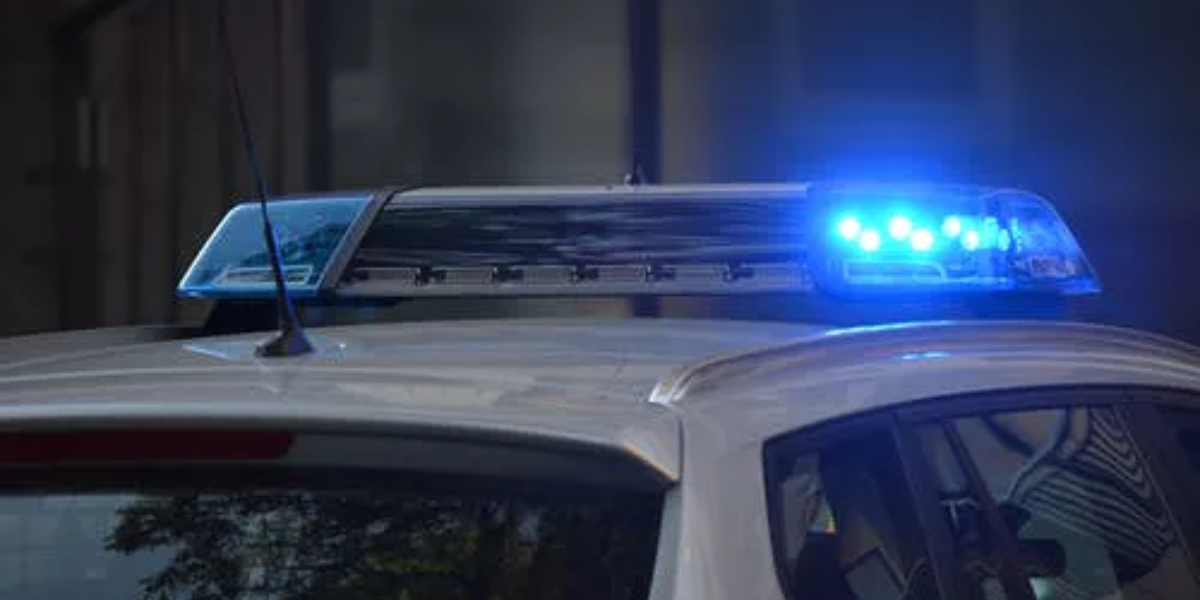


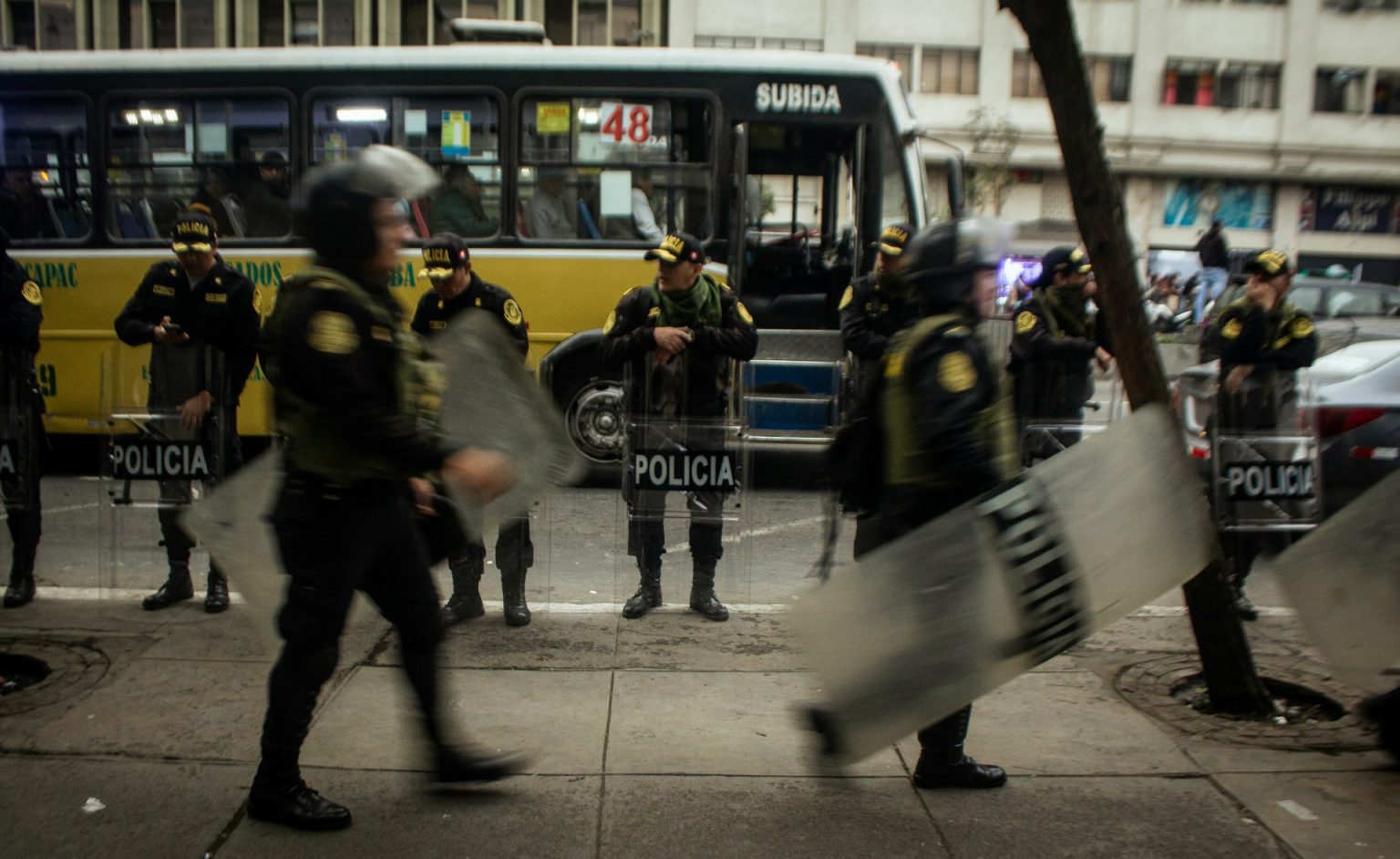
Brussels, 19 October, (Brussels Morning Newspaper) – Belgium’s federal government is discussing a Belgian police reserve that would receive military training and support civilian officers during violent riots. Defence Minister Theo Francken has proposed the new force following recent unrest in Brussels, prompting a debate over public safety, police resources and the military’s role in maintaining order.
- Belgian Government Explores Military-Trained Riot Police
- Interior Minister Bernard Quintin Confirms Discussions
- Brussels Mayor Philippe Close Opposes New Police Unit
- Belgium’s Previous Gendarmerie and Security Reforms
- How the Proposed Reserve Could Affect Brussels
- What Happens Next for Belgium’s Riot Security Plan?
The proposed unit, described by Francken as “Gendarmerie 2.0”, would operate under the authority of Interior Minister Bernard Quintin. Although discussions are underway, no final government decision has been announced.
Belgian Government Explores Military-Trained Riot Police
Francken outlined the proposal during an RTL-TVi appearance on Sunday, 18 October, following violent incidents associated with demonstrations.
Under the suggested arrangement, police personnel would receive training from the Defence Ministry before being made available to the Interior Ministry for public-order operations.
The proposed force would provide additional capacity when existing police resources face serious disturbances.
Francken confirmed that Prime Minister Bart De Wever was aware of the discussions, which had already involved the relevant ministries.
The proposal remains at an early stage, with staffing, funding and deployment arrangements yet to be established.
Interior Minister Bernard Quintin Confirms Discussions
Quintin’s office confirmed that the Interior and Defence ministries were exploring closer cooperation.
The discussions build upon existing joint security arrangements, including protection of sensitive locations and mixed patrols involving railway police.
Speaking to BX1 on Monday, Quintin indicated that the proposed mobile brigades would help restore public order when necessary.
However, he emphasised that discussions were only beginning, meaning the precise structure of the proposed force remains undecided.
Brussels Mayor Philippe Close Opposes New Police Unit
Brussels Mayor Philippe Close challenged the proposal, arguing that Belgium should strengthen existing police services rather than establish another security organisation.
Speaking on Bel-RTL on Monday, Close called for additional investment in police intervention units and the justice system.
His criticism highlights disagreement over whether the government’s priority should be creating a specialised reserve or improving the resources already available to police.
The debate comes as authorities assess their response to violent demonstrations and the pressures facing public-order policing.
Belgium’s Previous Gendarmerie and Security Reforms
Belgium previously operated a gendarmerie with military origins before restructuring its policing system.
The former organisation was absorbed into the integrated police system following reforms prompted partly by failures in cooperation between law enforcement agencies during major criminal investigations.
The proposed new structure would therefore revive elements of an earlier policing model, although its responsibilities and organisation have not been finalised.
Separately, Belgium’s Council of Ministers approved a draft protocol on 18 September 2026 to support integrated police operations in Brussels through Defence assistance.
That arrangement focused primarily on serious organised crime and firearms-related violence.
How the Proposed Reserve Could Affect Brussels
The proposed Belgian police reserve could provide additional trained personnel during serious disturbances, potentially reducing pressure on existing police units.
However, questions remain over operational authority, training requirements, accountability and the protection of lawful demonstrations.
For residents, businesses and public transport users, the central concern is whether security arrangements can prevent violence while allowing peaceful protests to continue.
What Happens Next for Belgium’s Riot Security Plan?
The Defence and Interior ministries are expected to continue discussions about the proposed operational reserve.
No confirmed launch date, budget or recruitment target has been announced.
Further government decisions would be needed before the new force could become operational.
For now, Belgium’s military-trained riot response proposal remains under consideration as ministers examine how to strengthen public security in Brussels and other cities.