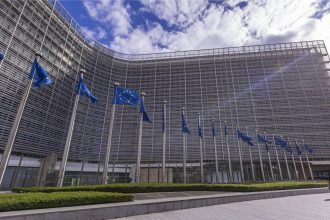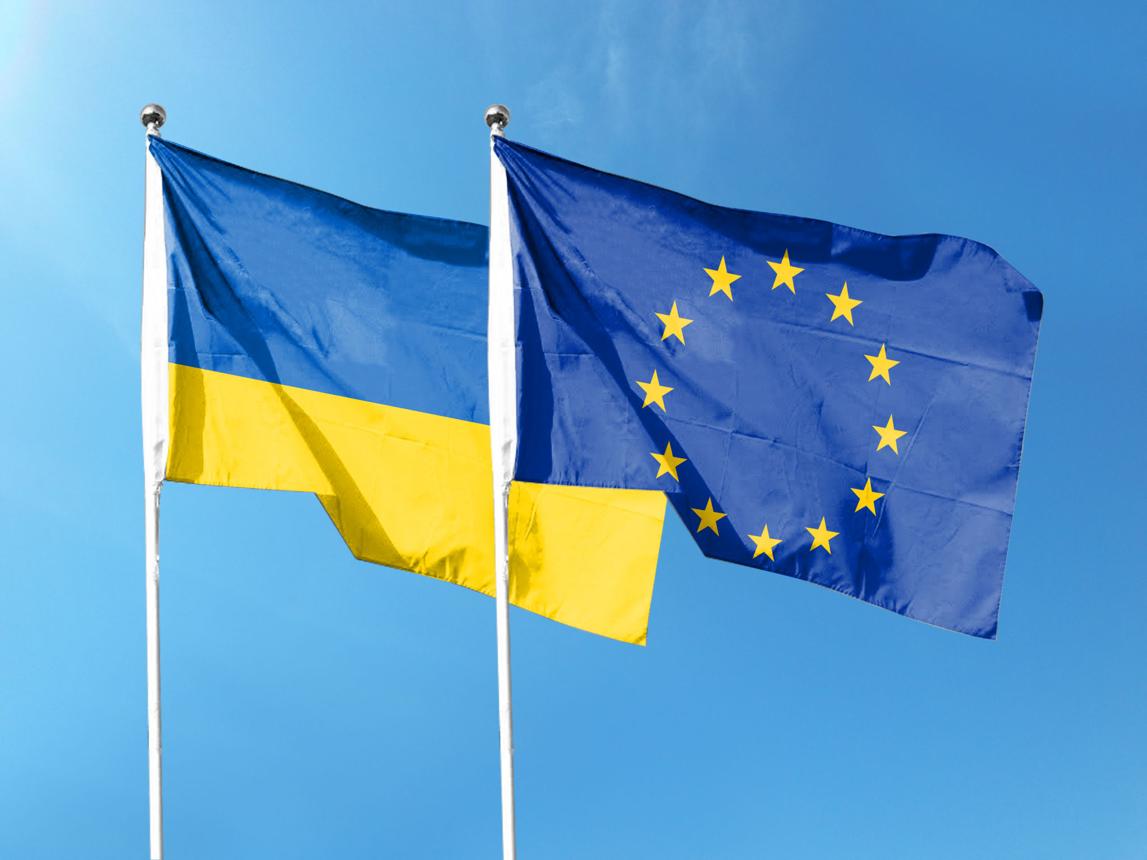
Brussels, 15 October, (Brussels Morning Newspaper) – European Union leaders are meeting in Brussels for a two-day summit as EU Ukraine Support remains a central priority amid mounting concerns over Russian attacks, military funding and the protection of critical infrastructure ahead of winter.
- EU Leaders Face Pressure Over Military and Financial Aid
- European Commission Releases €1.24 Billion for Ukraine
- Ursula von der Leyen Highlights Ukraine’s Defence Needs
- EU Announces Major New Sanctions Against Russia
- Winter Energy Security Raises Concerns Across Europe
- What Happens Next at the Brussels Summit?
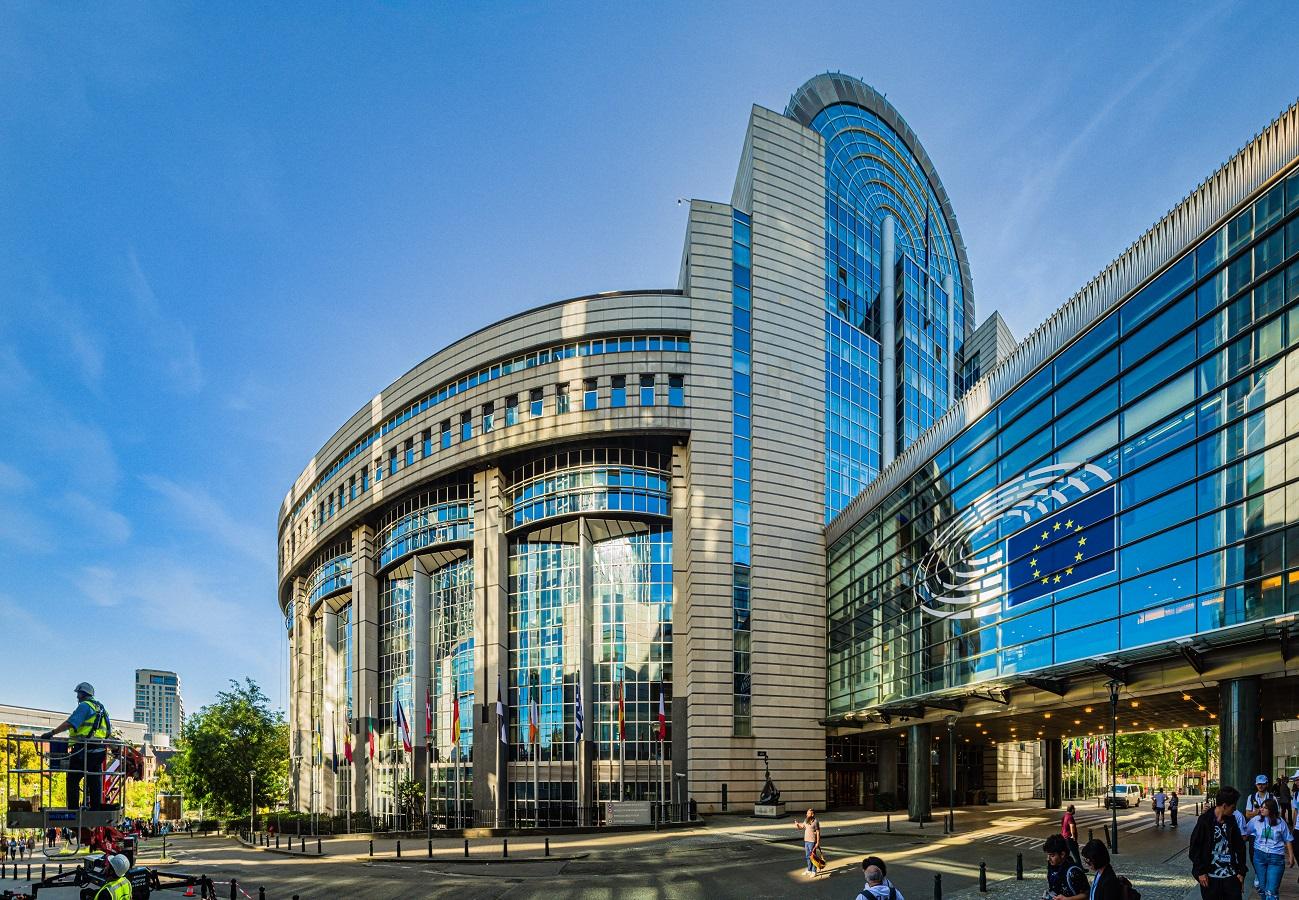
The European Council meeting, scheduled for 15–16 October, brings together leaders from the bloc’s 27 member states to discuss continued assistance to Kyiv, European defence readiness and the wider security consequences of Russia’s invasion.
According to the European Council’s official agenda, Ukraine’s immediate infrastructure requirements and progress towards EU membership are among the key issues under discussion.
EU Leaders Face Pressure Over Military and Financial Aid
European governments are examining how to maintain military and economic assistance while addressing growing demands on national budgets and defence capabilities.
The summit comes as Ukraine continues to require air defence equipment, ammunition and financial assistance to maintain essential government services.
European Council President António Costa identified Ukraine as a priority in his invitation to EU leaders, emphasising the need to assess the country’s operational requirements before winter.
The discussions also cover Russia’s hybrid activities across Europe and efforts to address gaps in European military capabilities.
European Commission Releases €1.24 Billion for Ukraine
The European Commission confirmed on 8 October that it had disbursed €1.24 billion to strengthen Ukraine’s domestic defence industry.
The funding covers drones, drone interceptors, drone ammunition and missiles manufactured by Ukrainian companies.
The payment forms part of the €90 billion Ukraine Support Loan covering 2026 and 2027.
Under the programme, €60 billion is indicatively allocated to defence procurement and industrial capacity, while €30 billion supports Ukraine’s public finances and essential services.
The Commission said €28.3 billion was planned for disbursement to support Ukrainian defence production during 2026.
Ursula von der Leyen Highlights Ukraine’s Defence Needs
European Commission President Ursula von der Leyen emphasised the importance of strengthening Ukraine’s military capabilities when announcing the latest financial assistance.
She stated:
“Today’s disbursement will help strengthen Ukraine’s defence industry. And Ukraine’s ability to defend itself. To protect people and infrastructure.”
The Commission reported that the EU and its member states had provided €228.7 billion in overall assistance to Ukraine since 2022.
The latest EU Ukraine Support measures are intended to increase domestic weapons production while maintaining the country’s ability to protect civilians and infrastructure.
EU Announces Major New Sanctions Against Russia
The Council of the European Union announced additional sanctions on 12 October targeting 1,569 individuals and entities associated with Russia’s military-industrial complex.
The measures include 826 Russian companies and 743 company executives.
According to the Council, the restrictions target businesses supplying components for Russian missiles, drones, aircraft and other military equipment.
Those designated face asset freezes, while listed individuals are also subject to travel restrictions.
EU foreign policy chief Kaja Kallas described the decision as the largest round of sanctions listings since Russia launched its full-scale invasion in 2022.
Winter Energy Security Raises Concerns Across Europe
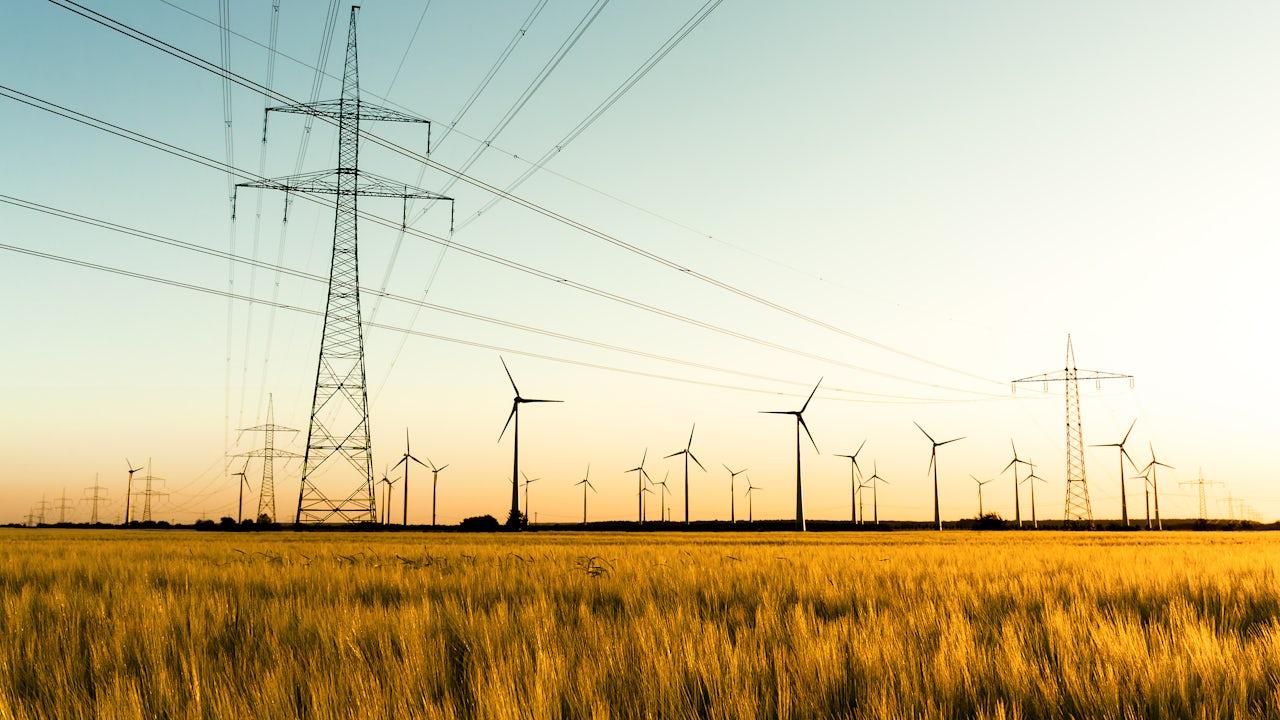
The approaching winter adds urgency to discussions about Ukraine’s electricity infrastructure and the protection of essential services.
Russian attacks on civilian infrastructure have increased concerns about Ukraine’s ability to maintain reliable energy supplies.
European leaders are also discussing high energy prices affecting EU households and businesses.
The European Council agenda includes potential temporary measures to reduce energy costs and longer-term efforts to limit dependence on fossil fuels.
What Happens Next at the Brussels Summit?
The European Council meeting continues on 16 October, when Ukrainian President Volodymyr Zelenskyy is scheduled to participate in discussions with EU leaders.
The official programme includes a meeting involving António Costa, Ursula von der Leyen and Zelenskyy, followed by an exchange of views with the Ukrainian president.
Further disbursements under existing assistance programmes are expected in the coming weeks, subject to agreed conditions.
The summit’s conclusions will clarify the EU’s next political priorities for Ukraine, including defence cooperation, financial assistance and infrastructure protection.