Brussels, 12 October, (Brussels Morning Newspaper) – The European Union and China have reached an important understanding on hybrid vehicle trade following intensive negotiations in Beijing, marking progress in efforts to ease commercial tensions. The latest China-EU EV talks addressed rising Chinese automotive exports, European market-access concerns and the future of trade relations between the two economies.
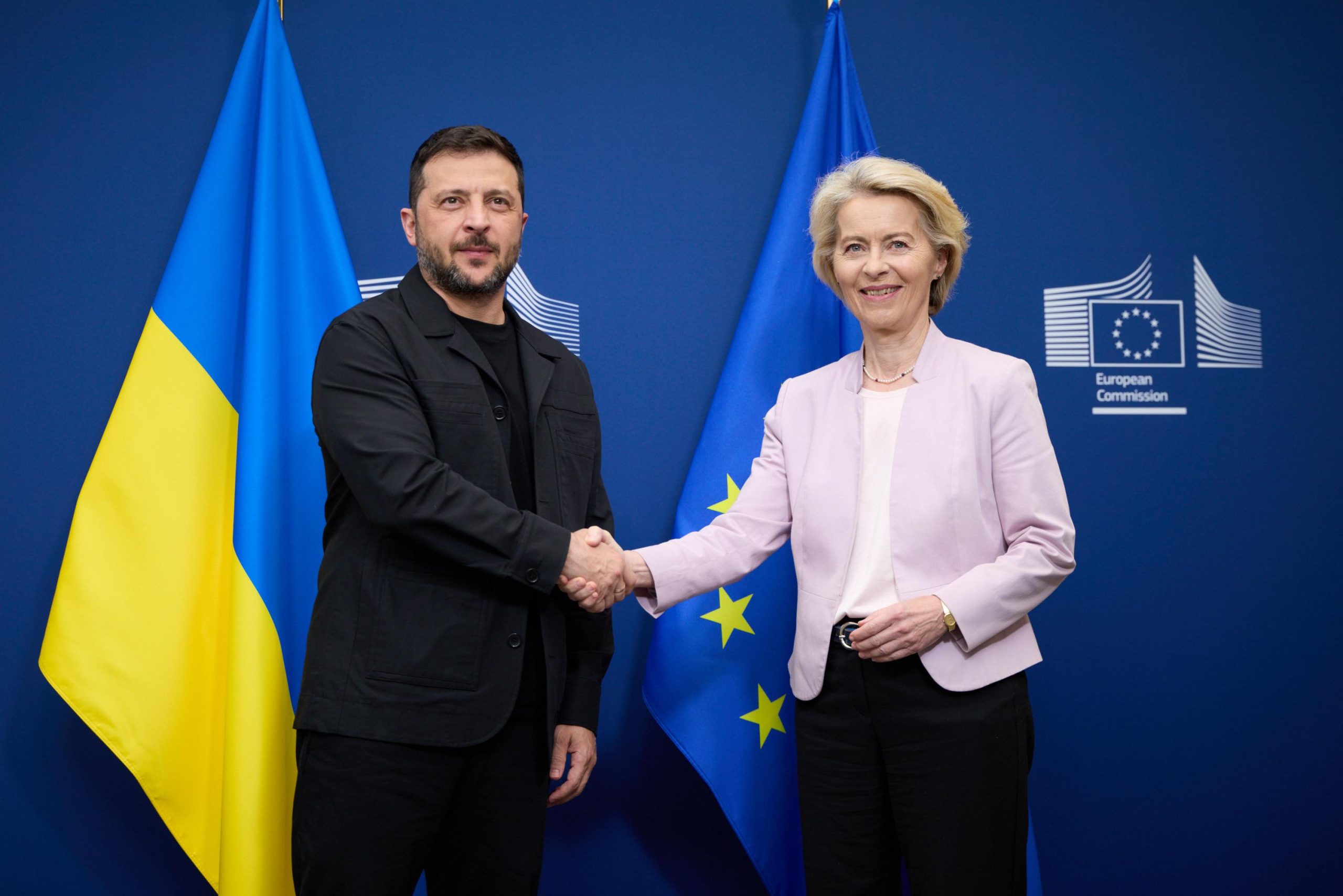
European Commissioner for Trade and Economic Security Maroš Šefčovič met Chinese Commerce Minister Wang Wentao on 8 and 9 October. Their discussions produced several understandings covering vehicle imports, tariffs and access to strategically important materials.
Brussels and Beijing Reach Important Automotive Understanding
The negotiations produced an agreement in principle aimed at moderating Chinese hybrid and plug-in hybrid vehicle exports to the European market.
According to Šefčovič, the arrangement could reduce projected Chinese hybrid exports by more than half, although the detailed implementation framework remains subject to further clarification.
China’s Ministry of Commerce confirmed that both sides had reached an understanding consistent with World Trade Organization rules.
The discussions also addressed improved access to China’s market for European products and measures intended to simplify rare earth export licensing.
EU Trade Commissioner Welcomes Progress in Negotiations
Šefčovič described the outcome as an important first step towards addressing imbalances in EU-China commercial relations.
Speaking after the negotiations, he said:
“We have reached a shared understanding to moderate China’s export of hybrids and plug-in hybrids to the European Union.”
He added that the arrangement opened the possibility of reducing Chinese hybrid vehicle exports by more than half.
The commissioner also outlined potential improvements in market access for European products, including automotive components, olive oil and footwear.
China emphasised its commitment to resolving disagreements through consultation while protecting the legitimate interests of its exporters.
Why Electric Vehicle Tariffs Remain a Major EU Concern
Automotive trade has become a central issue in relations between Brussels and Beijing.
In October 2024, the European Commission imposed definitive countervailing duties ranging from 7.8% to 35.3% on battery-electric vehicles manufactured in China.
The measures followed an EU investigation that concluded Chinese government subsidies threatened European automotive manufacturers.
Beijing criticised the restrictions, while both sides continued exploring alternative arrangements.
In January 2026, the Commission published guidance allowing Chinese electric vehicle exporters to propose minimum import prices as possible alternatives to existing duties.
The latest negotiations represent another stage in efforts to manage the dispute through diplomatic and regulatory mechanisms.
What the Trade Understanding Means for European Manufacturers
The outcome could have significant implications for European carmakers, Chinese exporters and automotive supply chains.
European manufacturers face increasing competition from Chinese companies offering electric and hybrid vehicles across multiple price categories.
Restrictions on import volumes could ease competitive pressure on European producers, although their effects will depend on the final arrangements.
For Chinese manufacturers, the understanding introduces new considerations for export planning and investment in European production facilities.
Consumers could also experience changes in vehicle availability and pricing, but the precise consequences remain uncertain.
What Happens Next for EU-China Trade Relations?
The European Commission and Chinese authorities will continue technical discussions on the implementation of their understandings.
Both sides have agreed to hold the third ministerial meeting of their Trade and Investment Consultations mechanism in March 2027.
Further negotiations are expected to address automotive trade alongside broader questions concerning tariffs, market access and industrial supply chains.
The outcome of the China-EU EV talks demonstrates progress towards managing a major commercial dispute, although important questions concerning implementation and long-term trade relations remain unresolved.