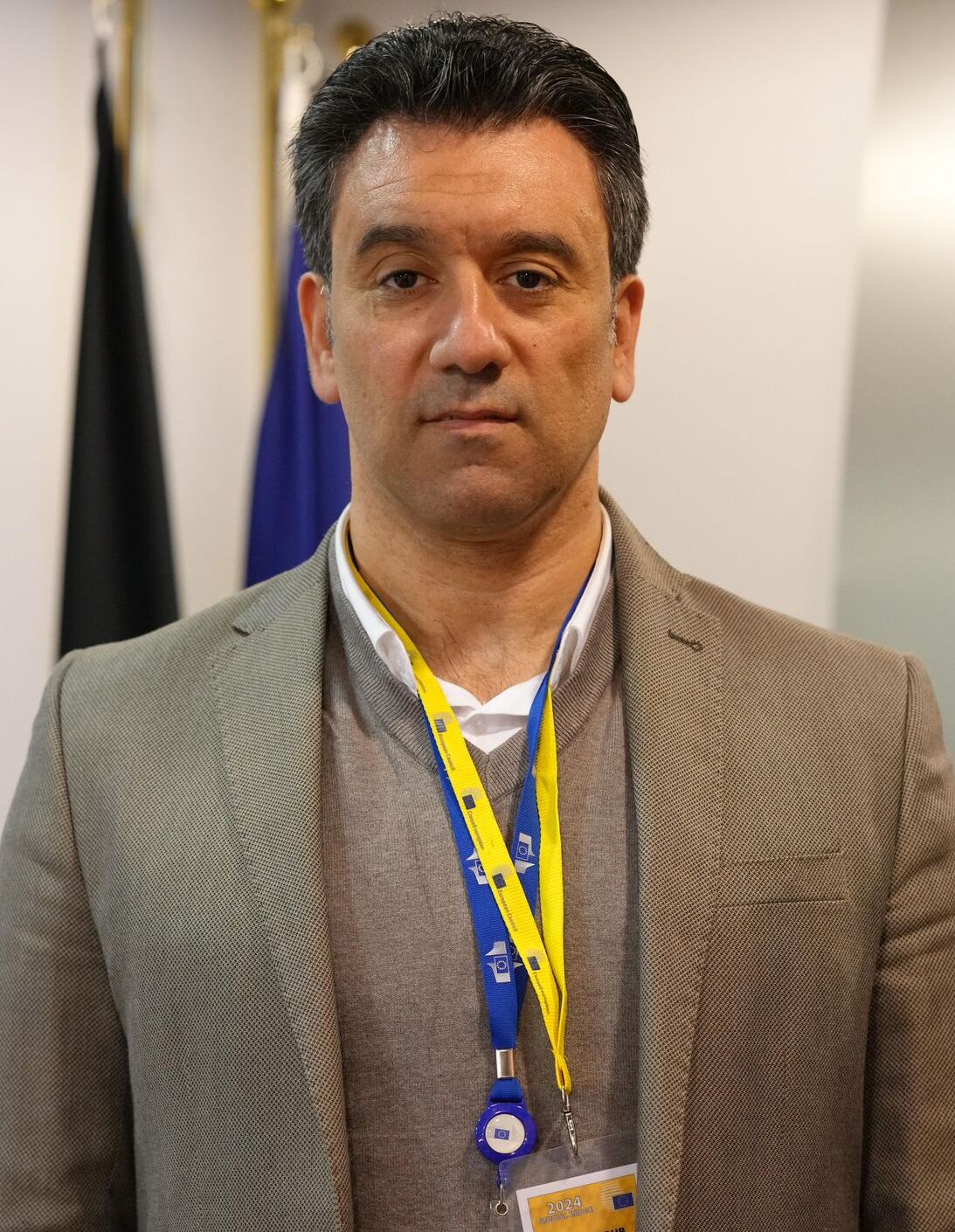
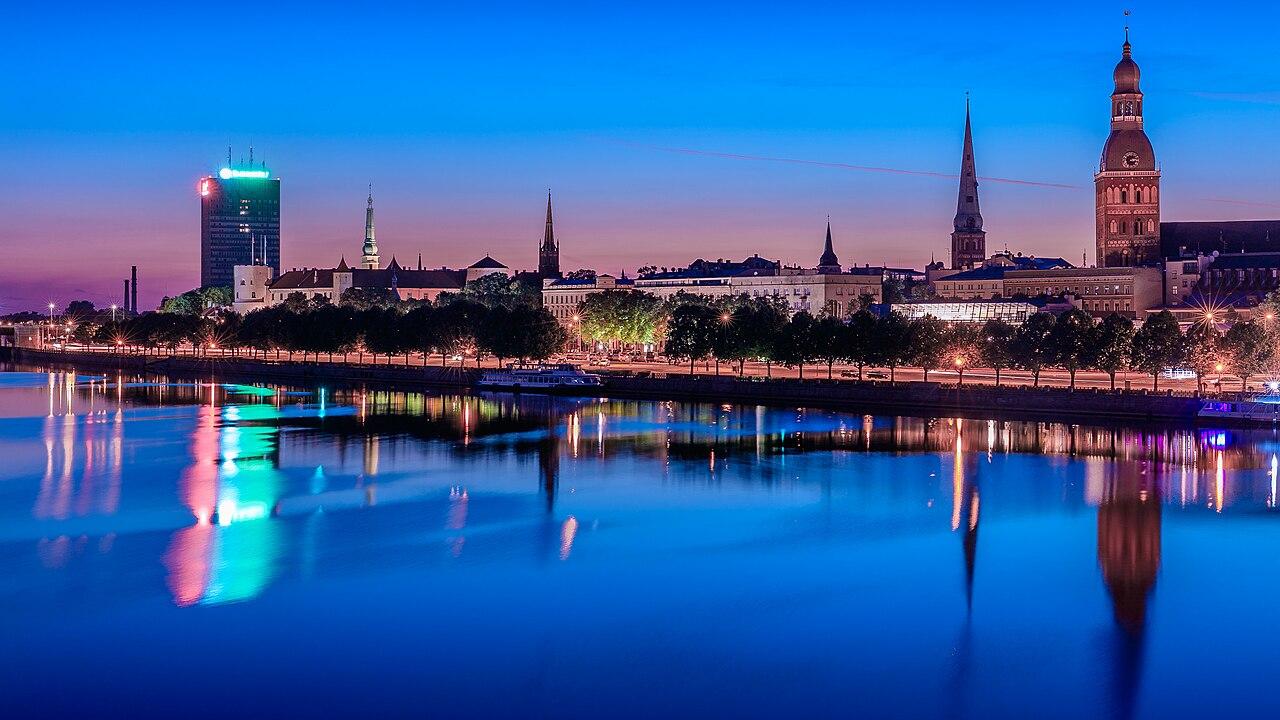
Riga, Latvia, 4 October, (Brussels Morning Newspaper) – Latvian Prime Minister Andris Kulbergs is positioned to remain in power and lead a Latvia pro-Ukraine coalition after his centrist United List won the largest share of votes in the country’s parliamentary election, strengthening the prospect of continued support for Kyiv and high defence spending.
United List secures commanding election lead
United List received about 35.3% of the vote and was projected to secure 42 seats in Latvia’s 100-member Saeima, according to results reported on Sunday. The performance represents the strongest parliamentary election result for a Latvian political force since the country restored its independence in 1991.
The result leaves Kulbergs well ahead of his political rivals but short of the 51 seats required for an outright parliamentary majority. Coalition negotiations will therefore be necessary before a new government can command majority support.
Latvia First finished a distant second with about 13% of the vote, while several other parties crossed the 5% threshold required for parliamentary representation. Voter turnout stood at just above 51%.
Kulbergs maintains firm policy towards Russia
The election was dominated partly by national security concerns resulting from Russia’s continuing war against Ukraine and Latvia’s position on NATO’s eastern flank.
Kulbergs has pledged to maintain Latvia’s defence spending at 5% of gross domestic product and strengthen the country’s anti-drone capabilities. Latvia borders both Russia and Belarus, making airspace security and NATO deterrence prominent political issues.
Speaking after the election, Kulbergs also rejected renewed economic dependence on Moscow, saying: “Any economic ties with Russia makes us weak.”
His position signals that a new Latvia pro-Ukraine coalition would be expected to continue Riga’s military and political backing for Kyiv.
Political upheaval preceded Latvia election
Kulbergs became prime minister in May 2026 after the previous government collapsed during a political crisis linked to the handling of drone incursions into Latvian airspace.
The election subsequently became an important test of public support for the new prime minister and his United List alliance. Approximately 1.56 million Latvian citizens were eligible to elect the 100 members of the Saeima for four-year terms.
Security authorities had also increased precautions ahead of the election because of concerns about potential Russian interference. Latvia’s State Security Service said before polling day that it had not detected significant systematic interference targeting the election.
Why Latvia’s result matters for Europe
The outcome has implications beyond Latvian domestic politics. Latvia is an EU and NATO member whose border with Russia places it at the centre of European efforts to strengthen the alliance’s eastern defences.
A government continuing Kulbergs’ policies would maintain Latvia among the European states taking a particularly firm position on Russia while supporting Ukraine.
The election also demonstrated that parties advocating different approaches towards Moscow retain a constituency in Latvia, although United List emerged as the dominant parliamentary force.
What happens next?
Kulbergs must now negotiate with other parties to establish a parliamentary majority. Potential partners include political forces that broadly support Latvia’s Western orientation and continued assistance to Ukraine.
The exact composition of the government remains subject to those negotiations. Until an agreement is reached, the final structure of the Latvia pro-Ukraine coalition is not confirmed, but United List’s 42-seat position gives Kulbergs a central role in determining Latvia’s next government and its security agenda.