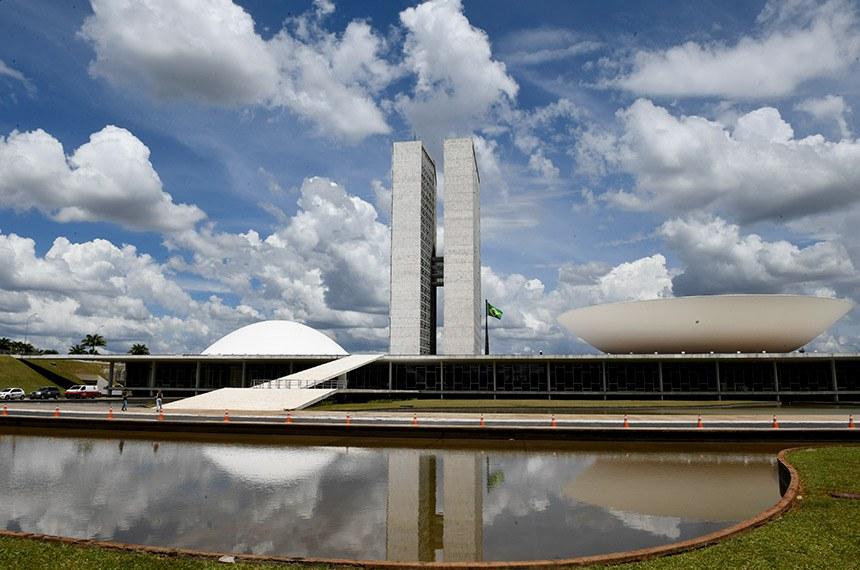
Brasília, Brazil, 4 October, (Brussels Morning Newspaper) – Brazilians are voting in a closely watched Brazil presidential election, with President Luiz Inácio Lula da Silva seeking another term as Senator Flávio Bolsonaro mounts the principal challenge from the political right. The first-round vote will decide whether either candidate can secure an outright victory or whether Brazil heads to a presidential run-off later this month.
Brazil Votes in Closely Watched Presidential Race
Polling stations opened at 8am and are scheduled to close at 5pm Brasília time, according to Brazil’s Superior Electoral Court, known as the TSE. Voters already waiting in line when polls close are permitted to cast their ballots.
Around 158.7 million people are eligible to vote, making the election one of the world’s largest democratic exercises.
The TSE approved 12 presidential tickets for the election. The contest, however, has centred heavily on Lula of the Workers’ Party (PT) and Flávio Bolsonaro of the Liberal Party (PL).
Other presidential candidates include Ronaldo Caiado, Romeu Zema, Renan Santos and Augusto Cury.
Lula and Flávio Bolsonaro Enter Tight Contest
Final polling before election day pointed to a competitive race between the two leading candidates.
A Datafolha survey published on the eve of voting placed Lula on 45% and Bolsonaro on 42% among valid-vote intentions. The difference was within the survey’s margin of error, underlining the uncertainty surrounding whether the contest will require a second round.
The election represents a major political test for Lula, who returned to the presidency in January 2023 after narrowly defeating Jair Bolsonaro in the 2022 election.
Flávio Bolsonaro, the former president’s son, is seeking to consolidate support among conservative voters and return the Liberal Party to the presidency.
Electoral Court Stresses Security and Voter Freedom
TSE president Kassio Nunes Marques said on election day that Brazil’s electoral authorities were prepared for what he expected to be one of the country’s most peaceful and successful elections.
In an address ahead of voting, Nunes Marques emphasised voter independence, saying: “The decision belongs exclusively to whoever votes.”
The electoral court has also reiterated the security, transparency and auditability of Brazil’s electronic voting system while encouraging voters to verify information before sharing election-related claims.
The TSE’s first election-day bulletin said 421 electronic voting machines had been replaced by 10am.
Presidential Vote Comes Amid Deep Political Divisions
The Brazil presidential election follows years of intense competition between the country’s left and right.
Lula’s return to power after the 2022 election marked another dramatic chapter in his lengthy political career. This year’s campaign has unfolded against debates over economic policy, public security, corruption allegations and Brazil’s international relationships.
The result will also matter well beyond the presidential palace.
Voters are choosing state governors, federal deputies, state and district deputies and two senators for each state and the Federal District. The congressional results will help determine how effectively the next president can advance legislation.
Why Brazil’s Election Matters to Europe
Brazil is Latin America’s largest economy and a significant partner for the European Union. Political decisions in Brasília can affect European interests involving trade, climate policy, Amazon protection, energy, agriculture and international diplomacy.
The country’s leadership will also remain important to negotiations surrounding the EU-Mercosur relationship, giving the election particular relevance in Brussels.
For European policymakers and businesses, the eventual composition of Brazil’s presidency and Congress could therefore influence cooperation with one of the EU’s most important Latin American partners.
What Happens After Brazil’s Polls Close?
Once voting ends, electronic voting machines produce polling-station reports and the results are transmitted for aggregation by electoral authorities.
To win the presidency immediately, a candidate must receive more than half of all valid votes, excluding blank and null ballots.
If nobody crosses that threshold, the two candidates receiving the most votes will advance to a second round scheduled for 25 October 2026.
Official results will be released by the TSE as votes are totalled following the close of polling, determining whether Brazil has chosen its next president or faces another decisive round of campaigning.