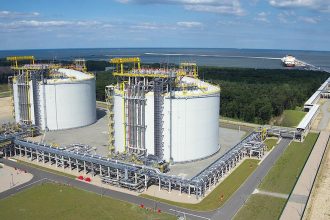
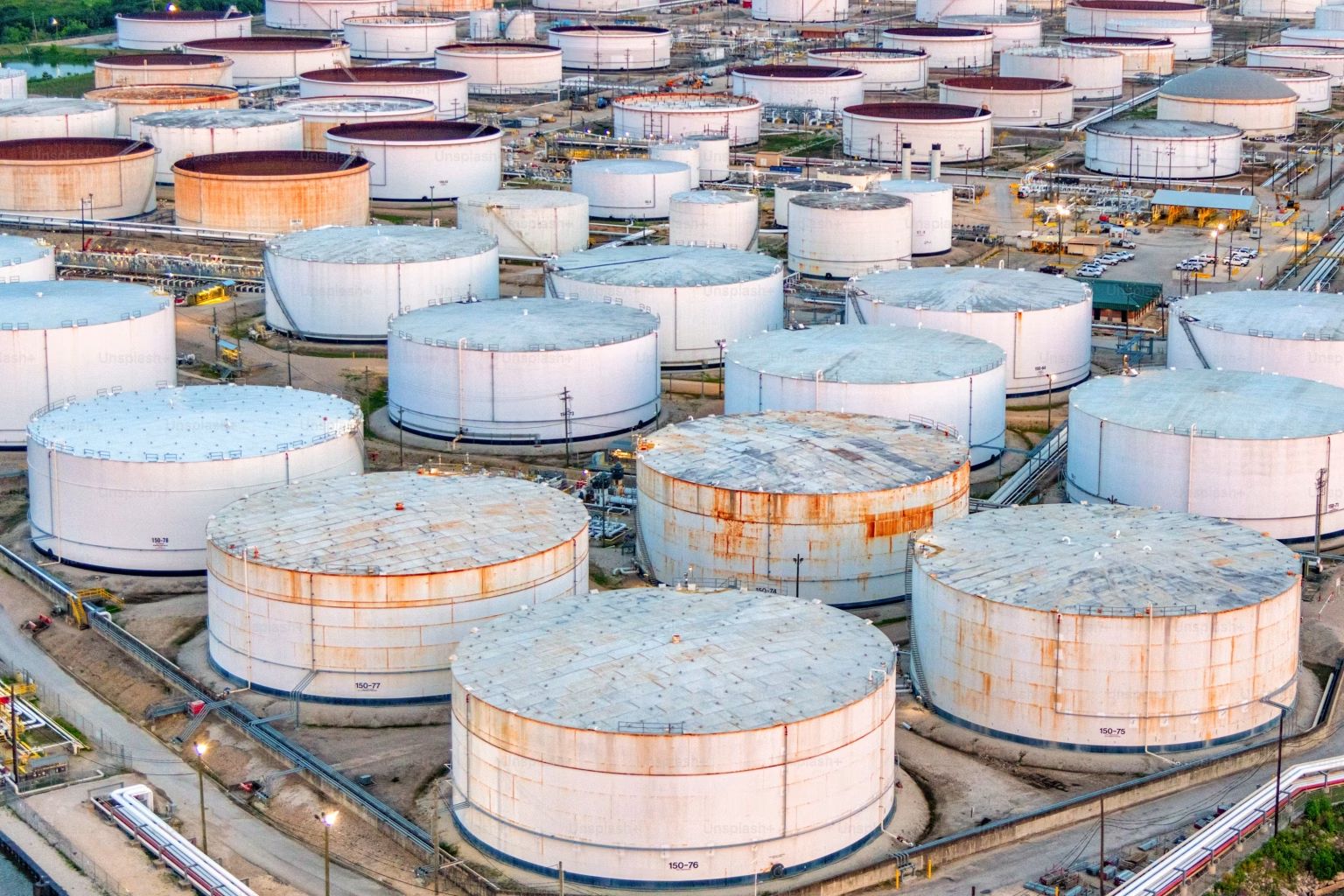
Brussels, 1 October, (Brussels Morning Newspaper) – The United States is pressing France and Germany to draw down emergency diesel reserves as Washington seeks to ease high global fuel prices, raising the prospect of a new transatlantic dispute over how Europe should use its strategic energy stocks. The US diesel pressure comes as President Donald Trump considers restricting American diesel exports if European governments do not take stronger action.
Washington Pushes Paris and Berlin for Diesel Release
The Trump administration has told France and Germany that it wants them to release emergency diesel inventories, according to three people familiar with the discussions cited by Reuters. A potential restriction on US diesel exports has been raised as an alternative if European action is deemed insufficient.
The focus on Paris and Berlin reflects the size of their reserves. France and Germany together account for more than a third of the European Union’s strategic diesel stocks, making decisions by the two countries particularly significant for any large-scale European release.
Reuters reported that Washington has asked the EU to release 120 million barrels of diesel over six months. The proposal has not been announced as an agreed European commitment.
Trump Considers US Diesel Export Restrictions
Trump confirmed on 30 September that discussions about a possible diesel export ban were continuing, saying the issue was being considered regularly by his administration.
Washington is simultaneously drawing further on its own strategic resources. The US government announced on 29 September that it would offer loans of up to 40 million barrels of crude oil from the Strategic Petroleum Reserve. The measure forms part of the US contribution to a wider International Energy Agency-coordinated release.
The dispute over US diesel pressure comes as international diesel markets face tight supplies and elevated prices, increasing costs for transport, agriculture and industries heavily dependent on the fuel.
Brussels Says EU Oil Supplies Remain Stable
The European Commission has so far presented a more cautious assessment of the need for additional emergency action.
Following a meeting of its Oil Coordination Group on 29 September, the Commission said EU oil supplies remained stable, although diesel and jet-fuel prices were high because of tight global markets.
European refineries were operating near maximum capacity, while emergency reserves remained at a high level and available in case of further market disruption. Commercial inventories at the Amsterdam-Rotterdam-Antwerp hub were below their five-year average but had remained broadly stable in recent weeks.
Energy Commissioner Dan Jørgensen nevertheless acknowledged the wider challenge on 30 September, saying that Europe was still facing an “energy price crisis” months after the conflict in Iran began.
Why France and Germany’s Reserves Matter
Europe’s diesel market has become increasingly exposed to changes in international supply flows. Diesel is essential for road freight, agriculture, construction and significant parts of European industry.
The prospect of restrictions on American exports therefore carries consequences beyond France and Germany. A reduction in US supplies could add pressure to a global market already affected by refinery constraints and geopolitical disruption.
For Brussels, the debate also raises a policy question: whether emergency reserves should be released primarily when physical supplies are threatened or whether governments should use them more aggressively to reduce exceptional prices.
What Happens Next for Europe’s Diesel Stocks?
Neither France nor Germany has announced a release matching Washington’s reported request. France said President Emmanuel Macron had not recently discussed the diesel issue with Trump, according to Reuters, while Paris is preparing a G7 video conference focused on fuel prices.
The European Commission will continue monitoring supply and prices. Its next Oil Coordination Group meeting involving industry representatives is scheduled for 15 October, although Brussels says it is prepared to convene officials earlier if market conditions require it.
Any decision by Paris or Berlin to draw down their reserves — or by Washington to restrict exports — could determine whether the US diesel pressure develops into a wider EU-US energy dispute.