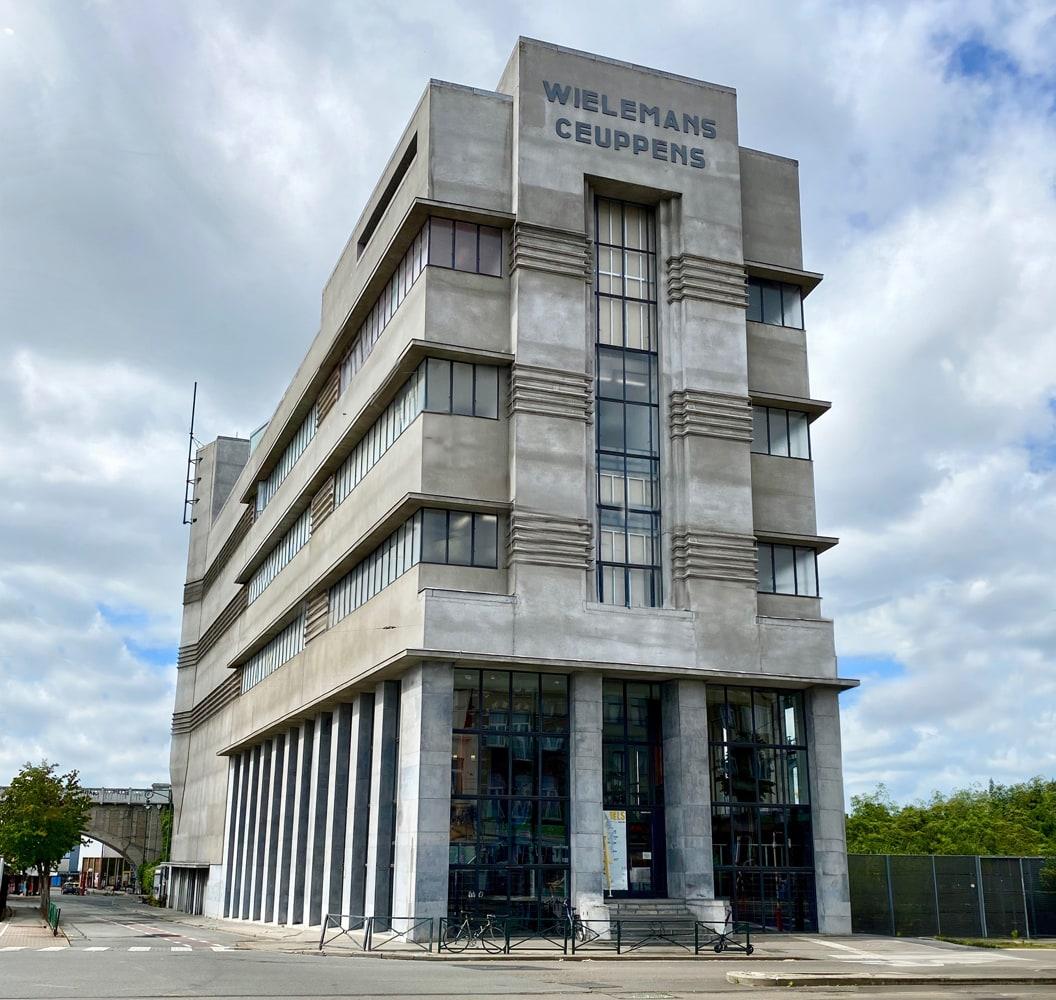
Brussels, 20 September, (Brussels Morning Newspaper) – Brussels Heritage Days enters its second and final day today, giving residents and visitors another opportunity to explore rarely accessible buildings, historic landscapes and unusual corners of the Belgian capital. The 38th edition runs across all 19 municipalities of the Brussels-Capital Region, with more than 270 activities scheduled over the weekend.
More than 270 activities across Brussels
Organised by urban.brussels, this year’s programme is the largest yet, according to the office of Brussels State Secretary Ans Persoons. Activities include guided visits, walks, cycling routes, exhibitions, lectures, performances and exceptional openings of places that are normally closed or have limited public access.
The 2026 theme, “Our Landscape, Our Legacy”, focuses on how Brussels has been shaped by architecture, infrastructure, public spaces, nature, residents and changing patterns of everyday life.
Among the programme’s attractions are the Brussels City Museum, the Sewer Museum and Coudenberg Palace. At the Sewer Museum, activities examine the hidden history of the Senne, while Coudenberg offers visitors an opportunity to explore remains of the former Rue Isabelle partly underground.
The programme also includes panoramic viewpoints, historic residences, gardens and former industrial areas, extending the definition of heritage beyond individual monuments.
Ans Persoons highlights changing urban landscape
When presenting the programme earlier this month, Brussels State Secretary for Heritage, Environment and Climate Ans Persoons said the city’s landscape continues to change in response to new needs, technology and ideas.
Persoons said: “In a metropolis like Brussels, the landscape is created by people; it evolves with new needs, new technologies and new insights.” She added that the weekend opens normally inaccessible places while taking visitors on unexpected journeys through the city.
The programme is free, although advance booking is required for a number of guided visits and activities.
Final day coincides with Car-Free Sunday
Sunday’s final programme coincides with Brussels’ Car-Free Sunday, when normal private motor traffic is heavily restricted across the region.
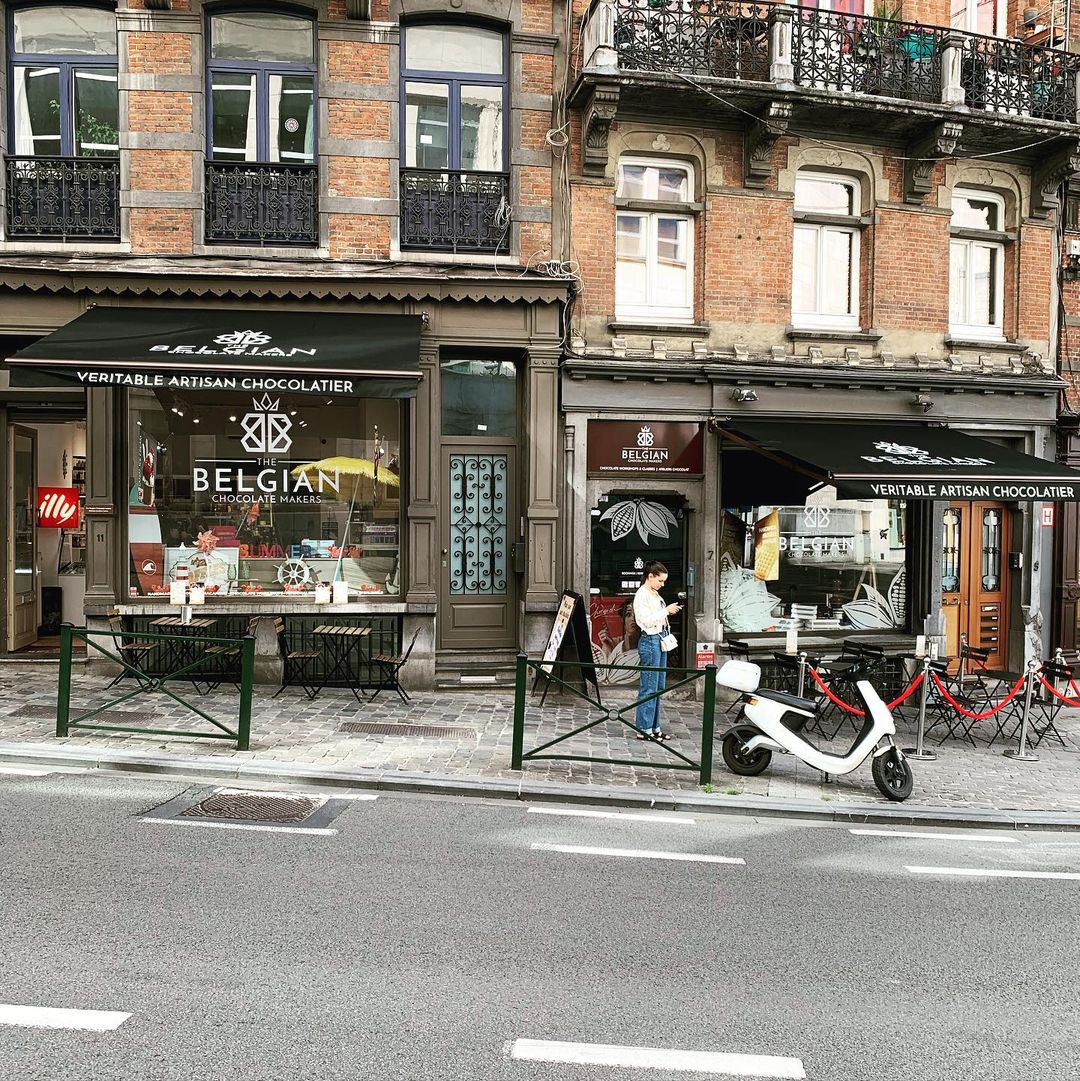
The combination provides visitors with an opportunity to explore the capital’s streets and heritage sites on foot or by bicycle while experiencing the urban environment with substantially less road traffic.
The Brussels City Museum, for example, has scheduled free guided visits today examining how the city’s landscape developed from the Middle Ages onwards. Its programme uses models, paintings and engravings to explain the capital’s urban transformation.
Natural heritage joins the 2026 programme
This year’s Brussels Heritage Days also strengthens the connection between architectural heritage and nature.
A collaboration involving urban.brussels and Brussels Environment has brought activities under the Renature Time initiative into the weekend programme, highlighting landscapes including parks, forests, waterways and other green spaces.
The approach reflects Urban’s broader 2026 focus on “Urban Landscapes”, which considers heritage not simply as historic buildings but as the relationship between built environments, natural spaces and how people experience the city.
What happens after Heritage Days?
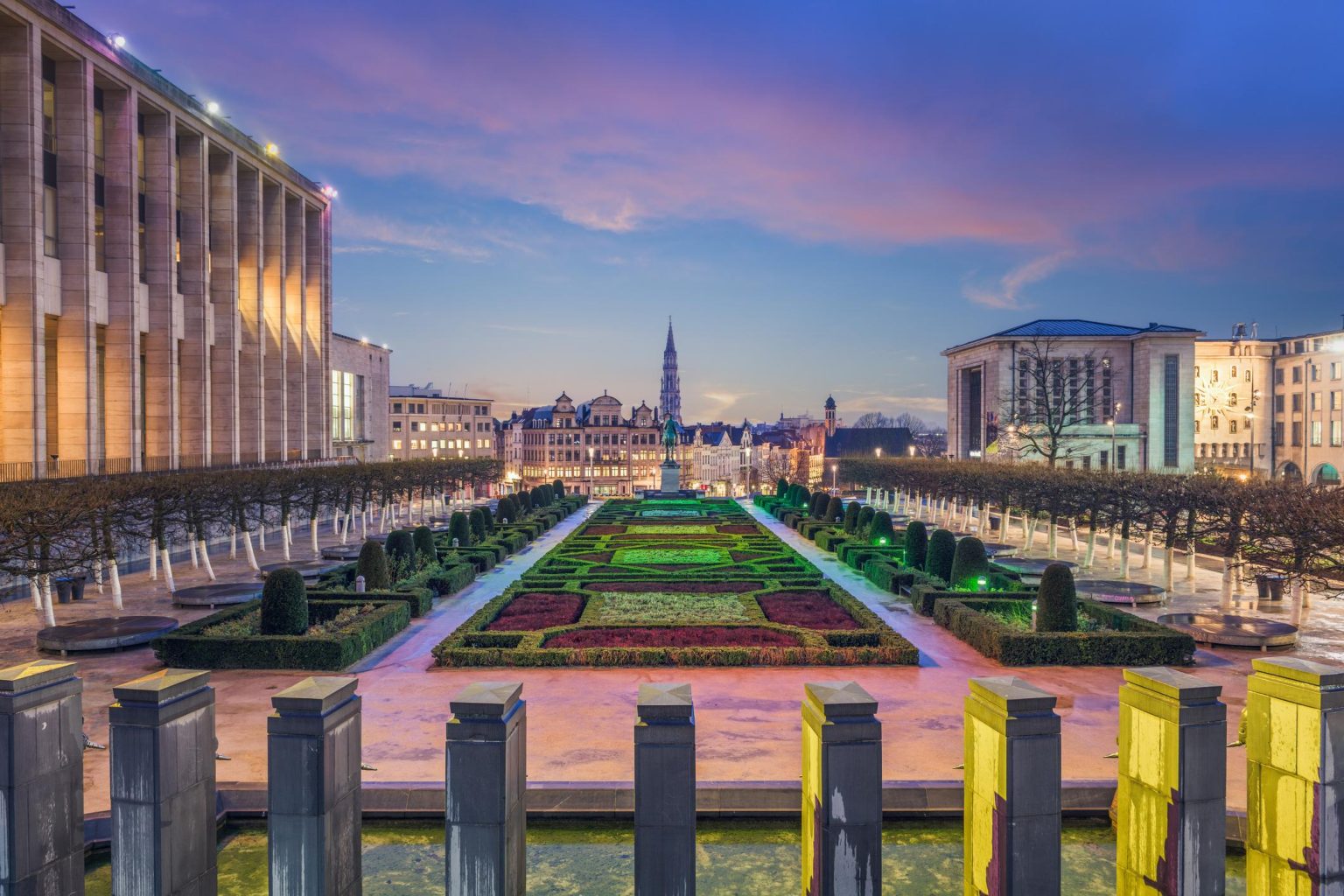
The 38th edition concludes tonight, 20 September. Visitors seeking programme information during the final day can use the official information point at 20 Mont des Arts, which is open from 10am until 5pm. It also displays the 20 winning photographs from the Urban Zoom Schools 2026 competition, selected from more than 850 submissions by Brussels secondary-school pupils.
Although the weekend programme ends today, Brussels Environment’s wider Renature Time programme continues until 18 October 2026, extending opportunities to explore the relationship between nature and the capital’s evolving urban landscape.