

SIMFEROPOL, Crimea, June 11 – Brussels Morning Newspaper — Ukrainian drone strikes have reportedly disrupted fuel distribution networks across parts of Crimea, leading to shortages at several fuel stations and prompting concerns about infrastructure resilience in the region. The overnight attacks added to ongoing security challenges linked to the continuing Russia-Ukraine conflict.
Local reports indicated that motorists encountered long queues at operational fuel stations after supplies became limited in several communities. Some stations temporarily suspended sales while awaiting new deliveries, while others introduced restrictions intended to manage demand and preserve remaining inventories.
Fuel Stations Experience Supply Pressures
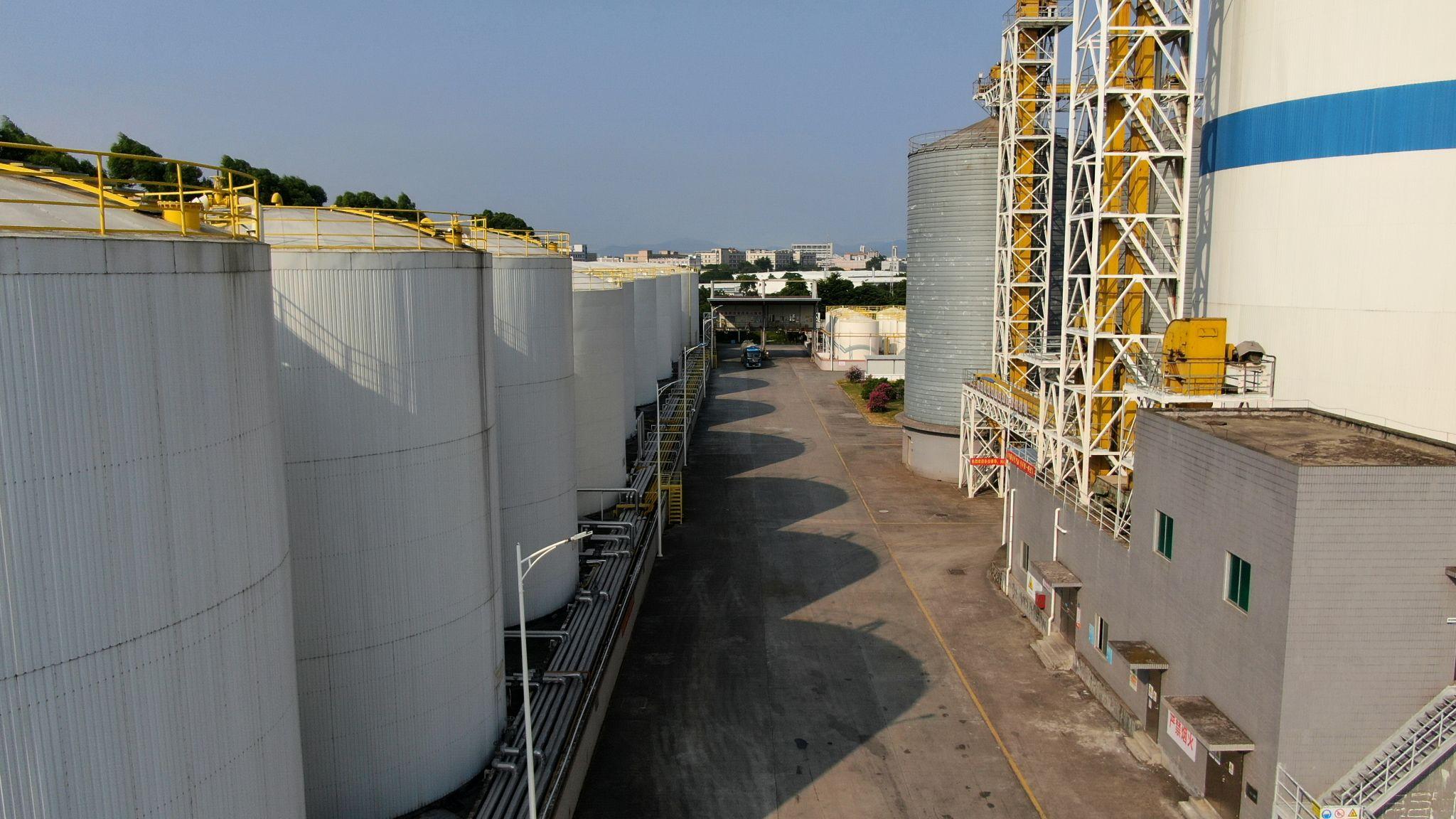
The latest disruptions appear to have affected fuel transportation and storage facilities that support regional distribution networks. Residents reported increased demand shortly after news of the attacks spread, with many drivers seeking to refuel amid uncertainty about future availability.
Industry analysts note that fuel markets often react quickly during periods of instability. Even limited interruptions to logistics networks can create temporary shortages when consumer demand rises suddenly.
“Supply chains can become strained very quickly when infrastructure concerns emerge,”
an energy market observer said.
“Public perception often influences demand just as much as physical supply conditions.”
Officials have not released complete figures regarding the scale of the shortages, but reports suggest multiple locations experienced supply challenges following the overnight incidents.
Infrastructure Remains a Strategic Concern
The latest Ukrainian drone strikes highlight the continuing importance of infrastructure within the broader conflict. Fuel depots, transportation routes, and logistics facilities remain critical components of regional economic activity and daily life.
Security analysts say attacks affecting supply networks can have consequences beyond immediate physical damage. Disruptions may influence transportation operations, commercial deliveries, and public confidence in infrastructure reliability.
Throughout the conflict, energy facilities and transportation assets have remained among the most closely monitored sectors because of their importance to both civilian and economic activities.
Residents Adapt to Changing Conditions
As reports of shortages circulated, residents in affected areas adjusted travel plans and sought alternative fueling options. Some drivers traveled to neighboring districts where supplies remained available, while businesses reviewed transportation schedules to reduce operational disruptions.
Commercial operators, including delivery services and logistics firms, have been closely monitoring the situation. Fuel availability is considered essential for maintaining regular business activity, particularly in regions dependent on road transportation.
One resident described the atmosphere at a local fuel station as tense but orderly.
“People are concerned about whether supplies will continue arriving,”
the resident said.
“Many simply want enough fuel to continue their daily routines.”
Authorities Work to Stabilize Supplies
Regional officials and fuel distributors are reportedly coordinating efforts to restore normal delivery schedules and maintain inventories across affected areas. Transportation routes remain under review as authorities assess potential impacts on logistics operations.
Experts emphasize that communication plays a significant role during supply disruptions. Providing clear updates regarding inventories and delivery timelines can help reduce panic buying and stabilize consumer behavior.
While recovery efforts continue, authorities have encouraged residents to rely on official information sources and avoid unnecessary stockpiling.
Economic Effects Under Close Watch
Fuel shortages can create ripple effects throughout local economies. Transportation companies, retailers, agricultural producers, and service providers all depend on reliable access to gasoline and diesel supplies.
Economists say temporary disruptions can increase costs, delay deliveries, and create uncertainty for businesses already managing challenging operating conditions. The extent of the impact will depend largely on how quickly distribution networks return to normal.
The situation is also drawing attention from energy analysts who continue monitoring how infrastructure-related incidents influence regional supply chains.
Outlook for the Coming Days
The full impact of the latest Ukrainian drone strikes may become clearer as authorities complete infrastructure assessments and fuel distributors evaluate inventory levels. Analysts believe supply conditions could stabilize if transportation networks remain operational and replacement deliveries arrive without delay.
For now, residents, businesses, and regional officials remain focused on restoring normal fuel distribution while monitoring broader security developments. The latest events serve as another reminder of how infrastructure disruptions can quickly affect daily life, economic activity, and regional stability during periods of ongoing conflict.