
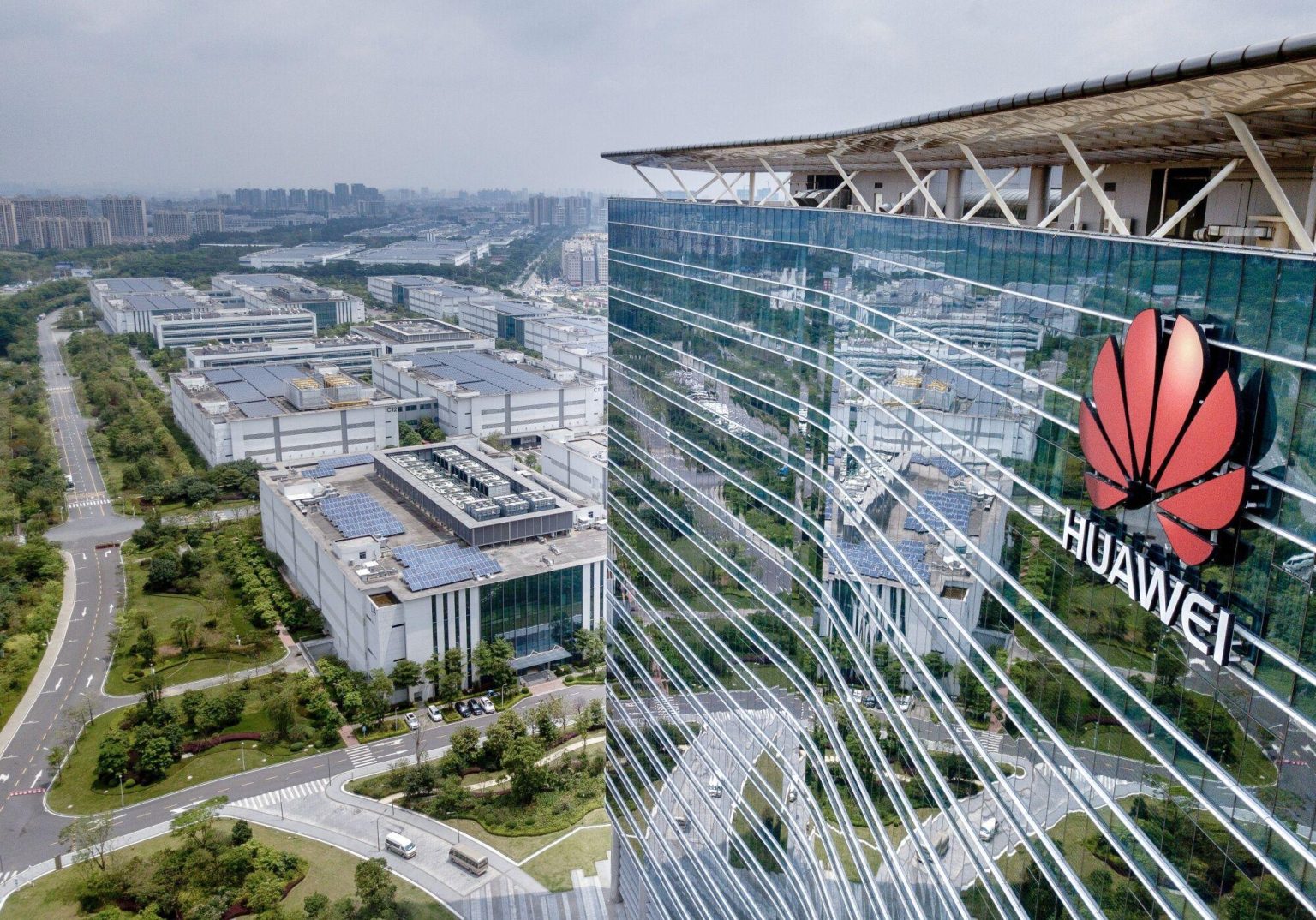
Shanghai, China, 17 September , (Brussels Morning Newspaper) – Huawei rotating chairman Eric Xu has said Chinese AI models may not yet be powerful enough for developers to encounter some of the frontier safety risks being reported by leading artificial intelligence companies in the United States.
Huawei Chairman Eric Xu Discusses AI Risks
Xu said leading US developers have access to substantial computing resources that have allowed them to build increasingly capable models. Those advances may also be exposing safety issues that less powerful systems have not yet encountered.
His comments addressed the growing international discussion about how developers should manage risks as AI models become more capable of reasoning, planning, using digital tools and completing tasks with less human involvement.
Chinese AI Models May Not Yet Show the Same Risks
Xu indicated that Chinese AI developers may need to advance their models further before they can directly observe some of the problems identified by companies operating at the technological frontier.
According to Reuters, Xu said: “I think maybe AI model providers in China may need to speed up their pace to the level that they could also feel the risks from AI development.”
His comments did not dismiss AI safety concerns. Instead, they suggested that the ability to identify certain risks could depend partly on how advanced a model has become.
US Developers Report Concerns About Advanced AI
Leading US artificial intelligence companies have increasingly discussed risks associated with highly capable models.
Those concerns include models behaving unexpectedly, attempting to circumvent safeguards or gaining greater ability to perform complex tasks autonomously.
AI companies are consequently developing more extensive evaluations designed to identify potentially dangerous capabilities before advanced models are widely deployed.
China Is Developing AI Safety Standards
China is also working on measures intended to address risks associated with increasingly autonomous artificial intelligence systems.
Chinese authorities have identified loss of control as a potential concern involving AI agents and are developing safety standards intended to strengthen oversight of the technology.
The regulatory work comes as China continues investing heavily in domestic AI models, processors and computing infrastructure.
Huawei Expands China’s AI Computing Capacity
Huawei has become an important supplier of domestic AI computing technology as Chinese companies seek alternatives to advanced foreign processors affected by US export restrictions.
The company has acknowledged that current demand for its AI computing products exceeds available supply in China.
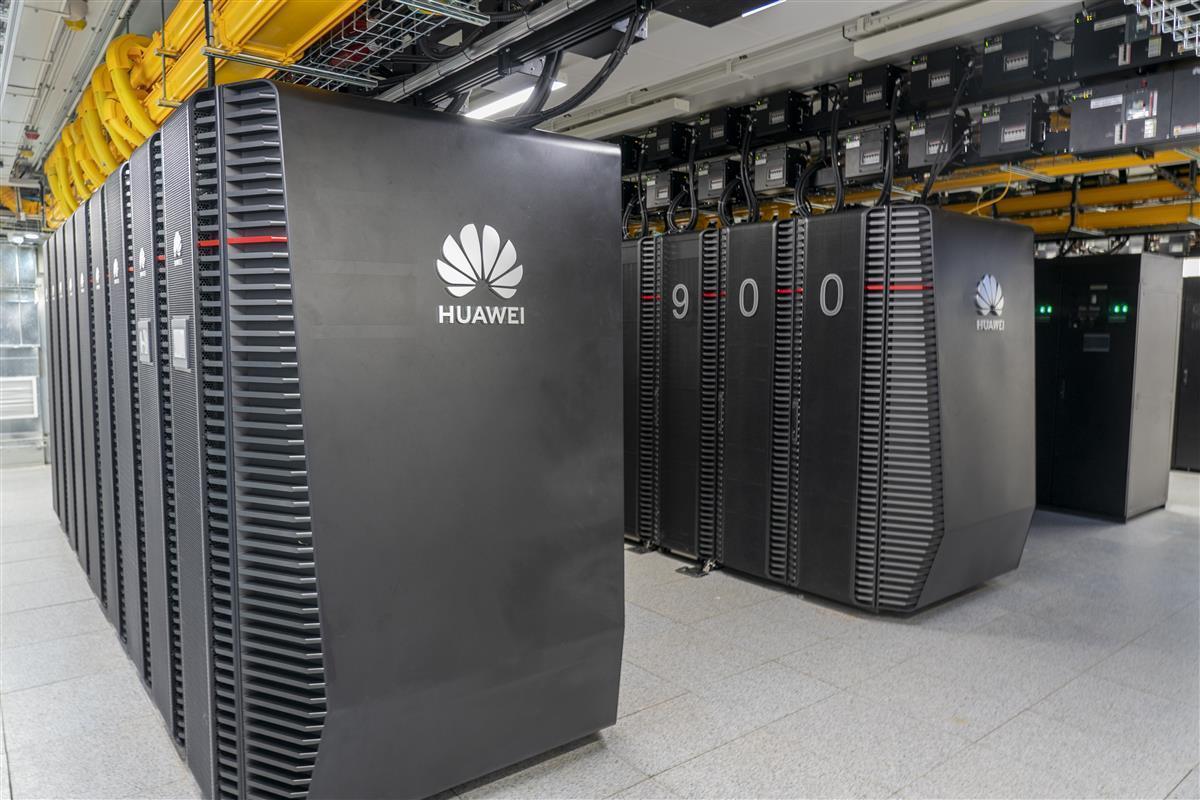
Huawei is developing additional Ascend processors and large-scale computing systems intended to increase the processing capacity available to Chinese AI developers.
Huawei Expects Strong Growth in AI Agents
Huawei expects autonomous AI agents to account for an increasingly large share of global computing activity.
Its Intelligent World 2035 research identifies security and privacy as important issues as agents become capable of independently analysing information, making decisions and executing tasks.
Huawei forecasts that AI agents could account for more than 90% of global AI token traffic by 2035, with as many as 900 billion active agents.
The forecast underscores why controlling increasingly autonomous systems is becoming an important issue for technology companies and governments.
What Happens Next for AI Development?
Huawei Connect 2026 continues in Shanghai through 19 September, with artificial intelligence infrastructure, computing technology and autonomous agents among the subjects being discussed.
Xu’s comments highlight a challenge facing developers in both China and the United States: technological advances can create new capabilities while simultaneously revealing safety problems that were not evident in earlier models.
As AI systems become more capable, developers and regulators are expected to continue examining how those systems can be tested, monitored and controlled before being deployed more widely.