Zelensky Moves Toward Demilitarised Zones as Ukraine Explores New Peace Framework
While Ukrainian officials emphasized that any such zones would be conditional and tightly monitored, the concept represents a potential step toward freezing certain front-line areas, reducing civilian harm, and creating space for diplomacy. The move does not amount to a ceasefire agreement, but it suggests Kyiv is exploring practical mechanisms to slow the tempo of fighting without conceding sovereignty.

What Demilitarised Zones Would Mean in Practice
Demilitarised zones, often referred to as buffer zones, are areas where heavy weapons, large troop formations, and offensive operations are restricted or prohibited. In Ukraine’s case, such zones would likely be established along selected sections of the current front line rather than across the entire conflict zone.
According to officials familiar with the discussions, the zones under consideration would:
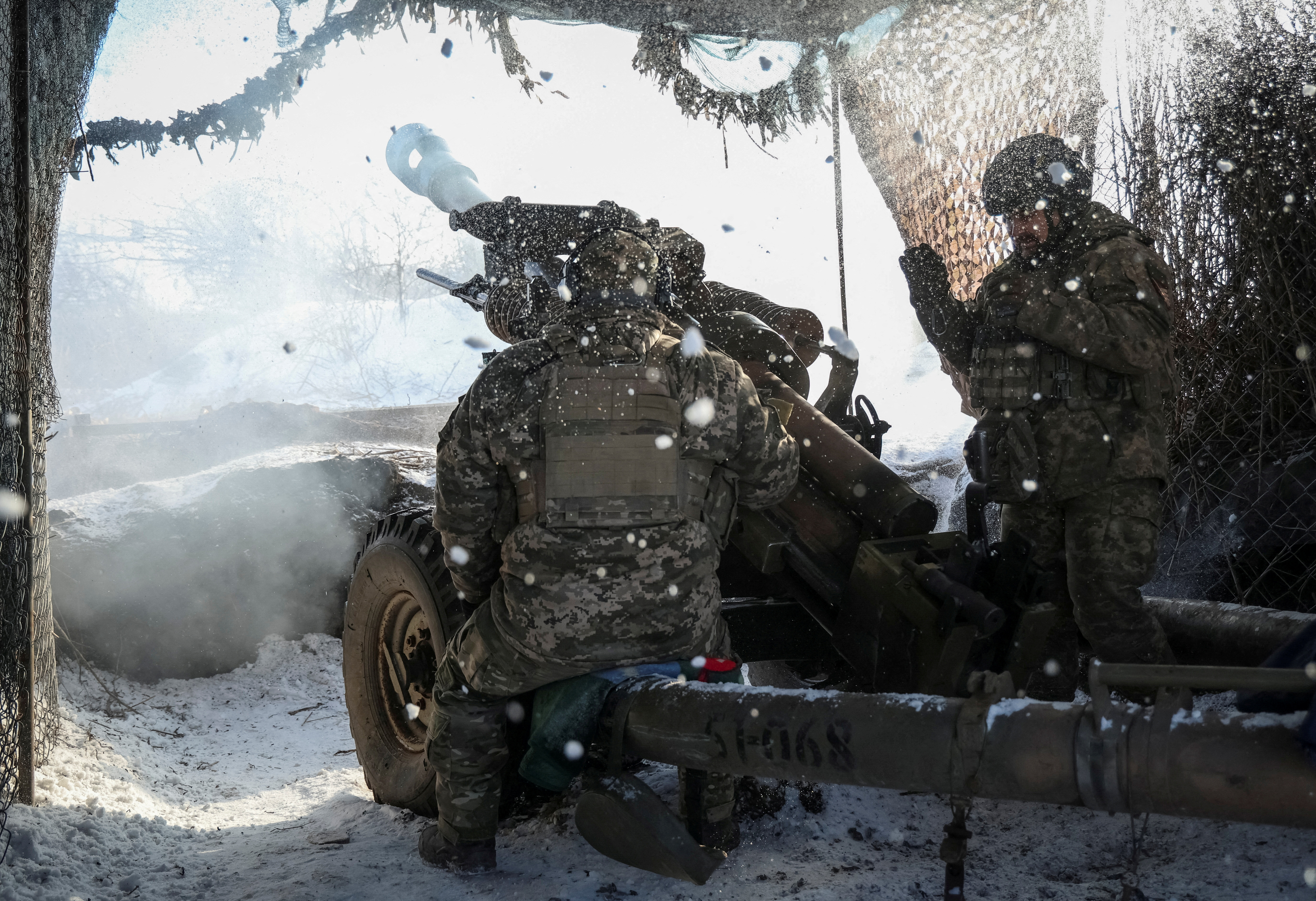
- Prohibit artillery, missile systems, and long-range drones
- Limit troop concentrations on both sides
- Be monitored by international mechanisms or technical verification tools
- Prioritize civilian safety and infrastructure protection
Ukrainian authorities stressed that demilitarised zones would not imply recognition of territorial claims by Russia. Instead, they would be framed as temporary security arrangements designed to prevent escalation and protect civilian populations living near the front.

Why Kyiv Is Exploring This Option Now
The timing of Zelensky’s comments reflects mounting pressure on multiple fronts. After years of intense fighting, Ukraine faces sustained strain on manpower, infrastructure, and the civilian population. Winter conditions, energy disruptions, and continued attacks on urban areas have compounded the challenge.
From Kyiv’s perspective, demilitarised zones could serve several strategic purposes:
- Reduce daily civilian casualties in contested regions
- Stabilize fragile infrastructure such as power grids and water systems
- Allow humanitarian access and limited reconstruction
- Create diplomatic momentum without halting defensive readiness
Ukrainian officials have repeatedly said that peace initiatives must be grounded in reality, acknowledging that total battlefield resolution remains elusive in the near term.
Balancing De-Escalation With National Security
To address those concerns, Kyiv has indicated that:
- Any demilitarised zones would be reciprocal
- Verification would be mandatory, not symbolic
- Violations would nullify the arrangement
- Ukraine would retain the right to respond to threats
This approach reflects lessons learned from earlier stages of the conflict, when pauses or partial withdrawals were sometimes followed by renewed attacks. As a result, military planners insist that security guarantees must be concrete and enforceable.
Russia’s Likely Response and Strategic Calculations
Moscow has not formally responded to the specifics of Zelensky’s latest peace framework, but past statements suggest skepticism toward proposals that limit military flexibility without addressing territorial demands.
From Russia’s standpoint, demilitarised zones could be viewed in two contrasting ways:
- As a stabilizing measure that reduces battlefield risk
- Or as a constraint that benefits Ukraine’s defensive strategy
The reaction may depend on how zones are defined, who monitors them, and whether they align with Russia’s broader strategic objectives. Analysts note that Moscow has historically favored arrangements that freeze conflicts while consolidating control, making verification and enforcement critical issues.
International Role: Monitoring and Guarantees
Any demilitarised zone proposal would require international involvement to be credible. Ukraine has indicated that neutral or allied actors could play a role in monitoring compliance, using a combination of on-the-ground observers, satellite imagery, and technical surveillance.
Potential international roles could include:
- Monitoring troop movements and heavy weapons
- Reporting violations transparently
- Facilitating humanitarian corridors
- Supporting confidence-building measures
While no specific framework has been finalized, Kyiv’s outreach signals that it sees international engagement as essential to preventing abuse of demilitarised arrangements.
Domestic Reaction Inside Ukraine
Public reaction within Ukraine has been mixed but measured. Many Ukrainians remain deeply skeptical of any plan that involves pulling forces back from contested areas, given past experiences and the high cost already paid in defending the country.
At the same time, war fatigue is real. Communities near the front lines have endured years of shelling, displacement, and economic disruption. For some residents, the idea of demilitarised zones offers cautious hope for reduced violence, even if only temporarily.
Ukrainian leaders have emphasized that any peace-related initiative would be communicated transparently and would not be implemented without broad consultation and safeguards.
How This Fits Into Ukraine’s Broader Peace Strategy
Zelensky’s openness to demilitarised zones does not replace Ukraine’s core principles, which include territorial integrity, sovereignty, and accountability. Instead, it adds another layer to a multi-track approach that combines military defense, diplomacy, and international pressure.
The broader strategy continues to focus on:
- Maintaining defensive capacity
- Securing international support
- Protecting civilians and infrastructure
- Keeping diplomatic channels open
Demilitarised zones are being framed as a tool, not an endpoint, within that strategy.
Risks and Unanswered Questions
Despite their potential benefits, demilitarised zones carry significant risks:
- Verification failures could enable covert violations
- Ambiguity over boundaries could spark disputes
- Civilian returns could occur before safety is assured
- Political narratives could misrepresent intentions
These concerns explain why Ukrainian officials stress that the proposal remains conditional and exploratory rather than finalized policy.
What Happens Next
The next phase will likely involve quiet diplomatic discussions with international partners and exploratory signals to Moscow. Whether the concept gains traction will depend on:
- Russia’s willingness to engage
- The robustness of monitoring mechanisms
- The security situation on the ground
- International diplomatic backing
Even if demilitarised zones are not immediately implemented, their inclusion in peace discussions signals a notable shift toward pragmatic de-escalation tools.
As Zelensky moves towards demilitarised zones in Ukraine’s latest peace plan, Kyiv is signaling a careful willingness to explore mechanisms that reduce violence without surrendering core national interests. The proposal reflects the realities of a prolonged conflict where absolute solutions remain distant, but incremental steps toward stability may still be possible.
Whether demilitarised zones become a meaningful component of peace efforts will depend on enforcement, trust, and international involvement. For now, the move represents a strategic recalibration—one that acknowledges both the costs of continued war and the complexities of achieving a lasting peace.