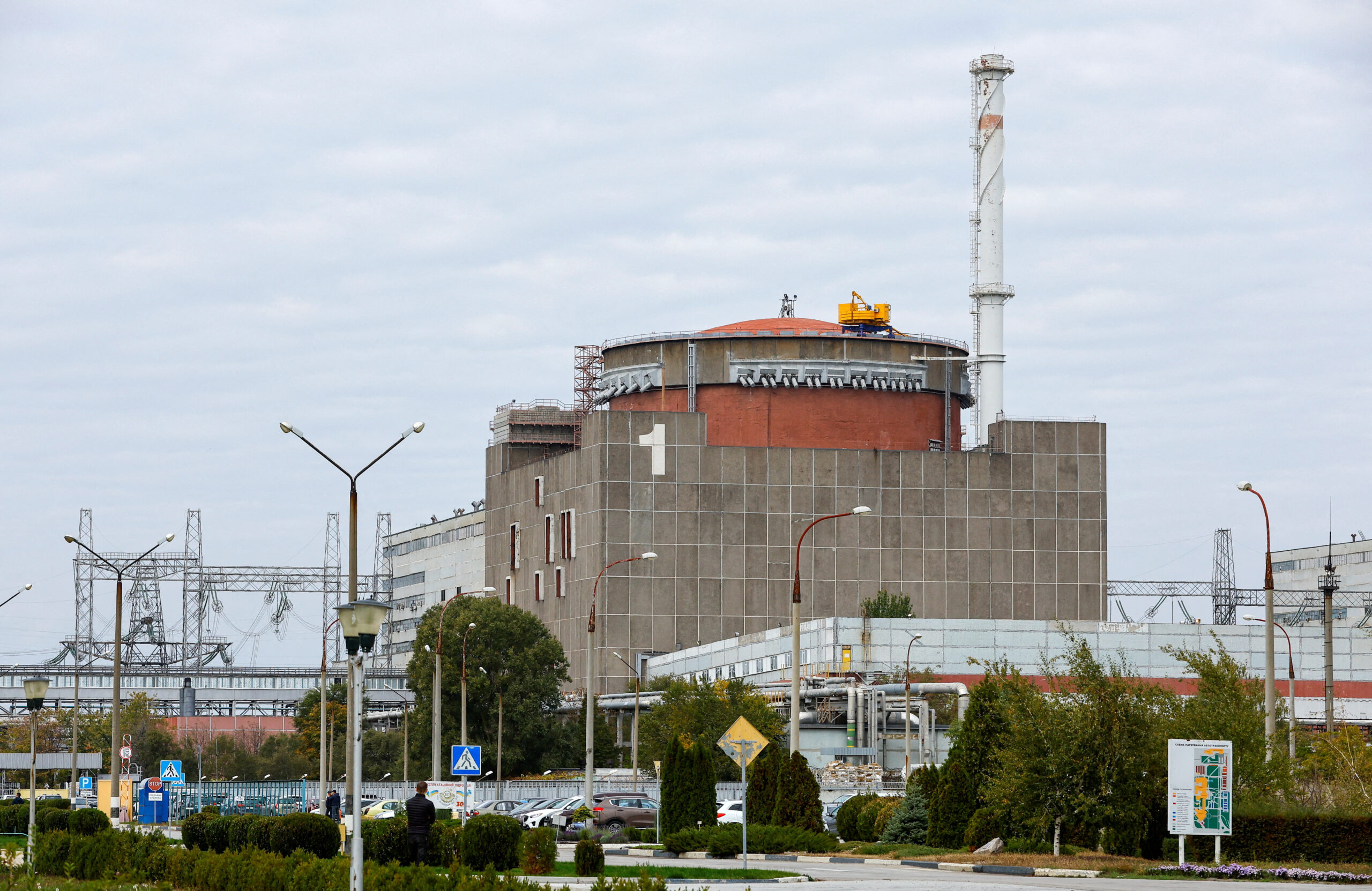
The issue of Zaporizhzhia plant security has emerged as one of the most sensitive and consequential challenges of the war in Ukraine. Ukrainian President Volodymyr Zelenskyy has forcefully rejected a United States proposal that would introduce joint or shared oversight of the Zaporizhzhia Nuclear Power Plant, calling the idea unrealistic while fighting continues.
As Europe’s largest nuclear facility, the plant is more than an energy asset. Its safety carries global implications. Zelenskyy’s remarks have underscored a growing divide between international efforts focused on risk reduction and Ukraine’s insistence that sovereignty and security cannot be separated.
Why the Zaporizhzhia Plant Matters
Before the war, the Zaporizhzhia facility generated a substantial share of Ukraine’s electricity. Its six reactors represented a cornerstone of national energy stability and industrial capacity. Today, Zaporizhzhia plant security is no longer just about power generation. It has become a symbol of civilian safety, technological responsibility, and national survival.
The plant’s location near the city of Enerhodar places it uncomfortably close to active military operations. Any incident at the site would not respect borders, potentially affecting large parts of Europe. This reality explains why governments and international organizations remain deeply focused on the plant’s fate.
The US Proposal Explained
The US proposal reportedly aimed to strengthen Zaporizhzhia plant security through a framework involving shared or joint oversight. The concept centered on bringing international stakeholders into monitoring and management roles to reduce the risk of accidents caused by military activity, miscommunication, or infrastructure damage.
From Washington’s perspective, extraordinary circumstances require extraordinary solutions. The presence of combat operations near a nuclear facility has few precedents, prompting policymakers to consider unconventional safety arrangements.
However, Ukrainian officials argue that such proposals overlook the root cause of the danger.
Zelenskyy’s Core Objection
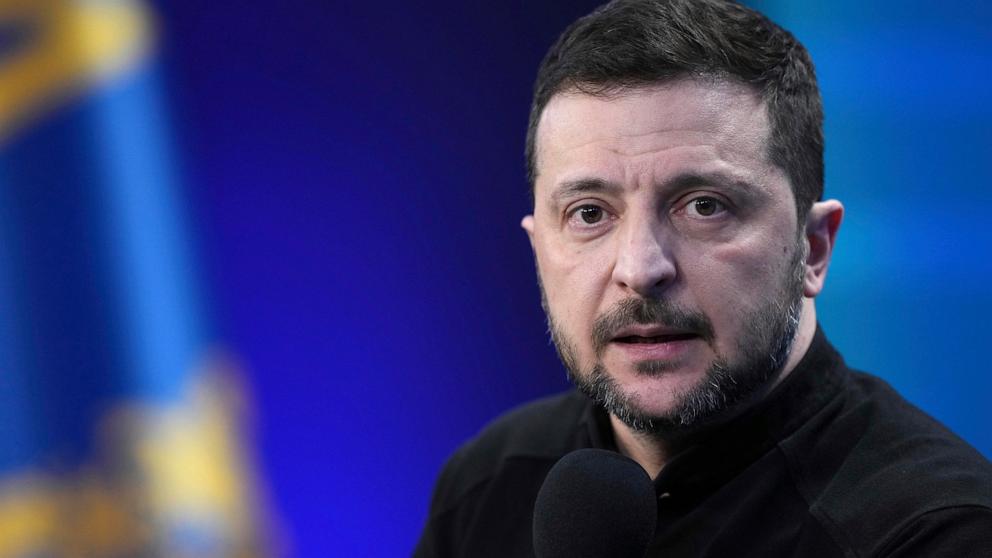
President Zelenskyy’s rejection of the proposal rests on a fundamental principle. He has stated that Zaporizhzhia plant security cannot be guaranteed through administrative compromise while the plant remains under foreign military pressure.
According to Kyiv, joint oversight risks legitimizing an abnormal and dangerous situation. Zelenskyy has warned that shared governance could delay emergency responses, introduce conflicting chains of command, and weaken accountability at a moment when decisive action may be required.
For Ukraine, nuclear safety and sovereignty are inseparable.
Sovereignty and National Infrastructure
The debate over Zaporizhzhia plant security is deeply tied to questions of sovereignty. Ukrainian officials argue that accepting joint control over critical infrastructure would undermine international law and set a dangerous precedent.
Nuclear power plants are civilian facilities protected under international conventions. Allowing shared governance during armed conflict could weaken those protections globally, making similar arrangements more likely elsewhere.
Zelenskyy’s stance reflects concern not only for Ukraine’s future but for global norms governing civilian infrastructure in war zones.
Nuclear Safety Risks on the Ground
The risks surrounding Zaporizhzhia plant security are not theoretical. Military activity has disrupted external power supplies, strained staffing levels, and complicated routine maintenance.
The International Atomic Energy Agency has repeatedly warned that prolonged instability increases the risk of human error or technical failure. Nuclear experts stress that safe operation depends on stable electricity, trained personnel, and uninterrupted access to equipment.
Ukraine argues that these risks reinforce the need for demilitarization rather than shared administration.
Ukraine’s Preferred Security Approach
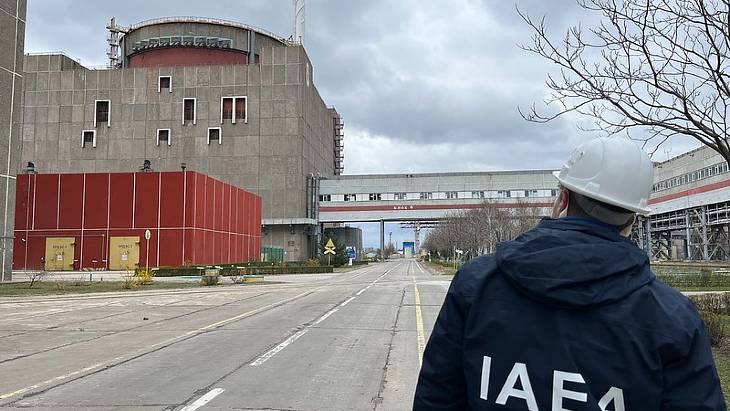
Kyiv has proposed an alternative framework focused on monitoring rather than governance. Under this approach, Zaporizhzhia plant security would be enhanced through expanded IAEA inspections and continuous observation, while control remains solely Ukrainian.
Officials say this model aligns with international law and avoids legitimizing military presence around a civilian nuclear site. Monitoring, they argue, should support safety without redefining authority.
This proposal has gained cautious support among several European partners.
Role of the IAEA
The IAEA remains central to international efforts to address Zaporizhzhia plant security. Inspectors have maintained a presence at the facility despite difficult conditions, providing independent assessments of safety risks.
Ukraine supports expanding the agency’s mission, arguing that transparent reporting and technical oversight are essential. However, Kyiv insists that the IAEA’s role must not blur lines of sovereignty or operational authority.
The agency’s effectiveness will be critical in shaping future diplomatic outcomes.
European and Global Reactions
European leaders have expressed growing alarm over the situation. Many share concerns about nuclear safety while recognizing Ukraine’s legal and political arguments.
The European Union has reiterated support for Ukraine’s territorial integrity while urging all parties to prioritize Zaporizhzhia plant security.
Global institutions warn that even a limited nuclear incident would have transnational consequences, affecting public health, agriculture, and energy markets far beyond Ukraine.
Energy Security and Economic Implications
Beyond immediate safety concerns, Zaporizhzhia plant security affects Ukraine’s long term energy strategy. The plant’s status complicates planning for reconstruction and post war recovery.
Restoring safe operations under Ukrainian authority is seen as essential for stabilizing the national grid and attracting investment. Shared oversight, officials argue, would create uncertainty and delay reintegration into Ukraine’s energy system.
Energy independence remains a central pillar of national resilience.
Public Opinion Inside Ukraine
Domestic opinion strongly supports Zelenskyy’s position. For many Ukrainians, Zaporizhzhia plant security represents a red line that cannot be crossed.
Public discourse frames the issue as one of dignity and survival, not technical management. Any arrangement perceived as compromising sovereignty is widely rejected.
This internal consensus strengthens Kyiv’s diplomatic posture and limits flexibility.
Risks of Prolonged Stalemate
While rejecting joint oversight, Ukrainian leaders acknowledge that risks persist as long as fighting continues. Continued military presence near the plant increases danger regardless of governance models.
Zelenskyy has urged international partners to focus efforts on demilitarization rather than administrative solutions. Without removing weapons and troops, Zaporizhzhia plant security remains fragile.
The challenge lies in translating international concern into effective pressure for change.
Legal Dimensions of the Dispute
From a legal standpoint, Ukraine maintains that Zaporizhzhia plant security falls squarely under national jurisdiction. International law does not provide for joint governance of a sovereign nuclear facility without consent.
Legal scholars warn that accepting shared control could weaken protections for civilian infrastructure worldwide. The dispute therefore carries implications beyond Ukraine.
Zelenskyy’s rejection reflects a broader defense of legal norms.
Why This Issue Matters Globally
The debate over Zaporizhzhia plant security highlights how modern conflicts test existing international frameworks. Nuclear facilities were never designed to operate amid sustained warfare.
How the world responds may shape future standards for protecting critical infrastructure. Ukraine’s position draws a clear boundary, signaling limits to compromise even under intense pressure.
Global attention remains focused on preventing a nuclear catastrophe.
What Comes Next
Diplomatic discussions are expected to continue as allies search for solutions that enhance safety without undermining Ukraine’s stance. Zelenskyy has made clear that any future proposal must respect sovereignty.
International efforts are likely to focus on expanding monitoring, reducing military activity, and maintaining emergency preparedness around the site.
The future of Zaporizhzhia plant security will depend on whether diplomacy can translate concern into concrete action.
The growing dispute over Zaporizhzhia plant security underscores the difficulty of balancing nuclear safety with sovereignty during wartime. While international partners emphasize risk reduction, Ukraine insists that joint oversight is neither realistic nor acceptable under occupation.
As the conflict continues, the fate of Europe’s largest nuclear power plant remains uncertain. What is clear is that Ukraine views full control and demilitarization as the only credible path to lasting safety and stability, a position that continues to shape global debate.