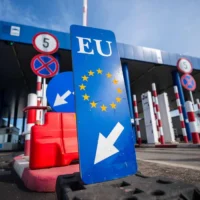

Short-stay visa-free travel to the European Union (EU) allows nationals of many third countries to visit the Schengen Area for up to 90 days within any 180-day period without requiring a visa. This facility is designed to ease tourism, business, and cultural exchange, contributing not only to people-to-people contacts but also to economic and diplomatic relations.
- What Is Short-Stay Visa-Free Travel to the EU?
- New EU Rules to Suspend Short-Stay Visa-Free Travel: Rationale and Reform
- Targeting Government Officials and Diplomatic Exemptions
- Thresholds for Suspension: Monitoring Irregular Migration and Crime
- How Suspension Procedures Work
- Which Council Takes the First Step Toward New EU Rules?
- What Travelers Should Know: Practical Implications
- Wider Context: Visa Policy and Global Mobility
- Future Outlook for Short-Stay Visa-Free Travel to the EU
However, evolving geopolitical realities and security concerns have led the EU to reform the legal framework governing visa-free travel, ensuring the mechanism remains balanced between openness and safeguarding the Union’s security and values.
What Is Short-Stay Visa-Free Travel to the EU?
Citizens of 61 non-EU countries currently enjoy visa-free travel to the Schengen Area for short stays, which includes 26 European countries sharing a common visa and border policy. These travelers can spend up to 90 days within any rolling 180-day period across EU member states without a visa, facilitating a wide range of activities such as tourism, business meetings, cultural visits, short courses, and medical treatment.
The 90-day rule applies irrespective of how many Schengen countries are visited during the period. The system operates on a rolling calendar: travelers must count backward 180 days from any point to ensure they do not exceed 90 days. This rule is crucial for maintaining controlled access while enabling flexibility to visit multiple countries.
The visa-free regime has fostered closer ties between the EU and third countries and supports important economic sectors, especially tourism and business services.
New EU Rules to Suspend Short-Stay Visa-Free Travel: Rationale and Reform
Despite the mutual benefits of visa-free travel, the EU recognizes the necessity to address instances where third countries may diverge from commitments underpinning visa liberalization agreements. In June 2025, the European Parliament and Council reached a provisional agreement reforming the suspension mechanism. This reform aims to enhance the EU’s ability to react swiftly and flexibly when signatory countries fail to uphold key principles related to security, human rights, and migration cooperation.
The reforms address multiple pressing concerns:
- Security Threats: The EU can act against countries involved in hybrid threats, such as state-sponsored manipulation of migration flows intended to destabilize or undermine EU member states.
- Human Rights Violations: Severe breaches of international human rights or humanitarian law, including violations of the United Nations Charter or failure to comply with international court decisions, now constitute grounds for suspension.
- Investor Citizenship (“Golden Passports”): Controversial citizenship-by-investment schemes raising security issues have been included among triggers for suspension.
- Lack of Cooperation on Readmissions: Countries not cooperating effectively on returning nationals who overstay or enter illegally remain liable to suspension.
- Transit Risks: Third countries increasingly serving as transit hubs for unauthorized migration into the EU could face visa-free travel suspension.
This expanded suspension framework seeks to align the grounds for revocation closely with the criteria originally applied when granting visa liberalization, creating a stronger deterrent against backsliding.
Targeting Government Officials and Diplomatic Exemptions
To prevent impunity, the EU’s new rules provide flexibility to target specific government officials responsible for violations, allowing the suspension of their visa-free travel privileges. This marks a significant departure from previous limitations where diplomatic and service passport holders were typically exempt from such measures.
The European Commission can now instruct member states not to exempt diplomatic travelers from visa suspension when their governments are implicated in serious breaches, including human rights violations. This aims to hold officials personally accountable and send a clear signal regarding the EU’s commitment to uphold its values.
Thresholds for Suspension: Monitoring Irregular Migration and Crime

Under both existing and revised EU rules, certain thresholds can trigger the initiation of the visa-free travel suspension process for third countries. One key threshold is a substantial increase—defined as 30% or more—in the number of travelers overstaying their allowed visa-free period within the Schengen Area.
Another important criterion is a low recognition rate of asylum applications submitted by nationals of the concerned country, with the threshold set at 20%. Additionally, a noticeable rise in criminal activities linked to travelers from the country can also prompt suspension considerations.
To maintain flexibility and account for unique circumstances, the European Commission retains the discretion to adjust these thresholds when justified, ensuring the suspension mechanism remains effective and context-sensitive.
How Suspension Procedures Work
The suspension of visa-free travel is a two-stage process. Initially, suspensions may be temporary, pending further investigation and dialogue with the relevant country to address underlying issues. If satisfactory progress is not made, the suspension may be turned into a permanent revocation.
To date, temporary visa suspensions have been rare, with Vanuatu being the only country whose visa-free access to the Schengen Area has been revoked due to deficiencies in migration cooperation.
The reforms aim to facilitate more timely and effective responses, enabling the EU to maintain integrity and security while preserving the benefits of visa-free travel where appropriate.
Which Council Takes the First Step Toward New EU Rules?
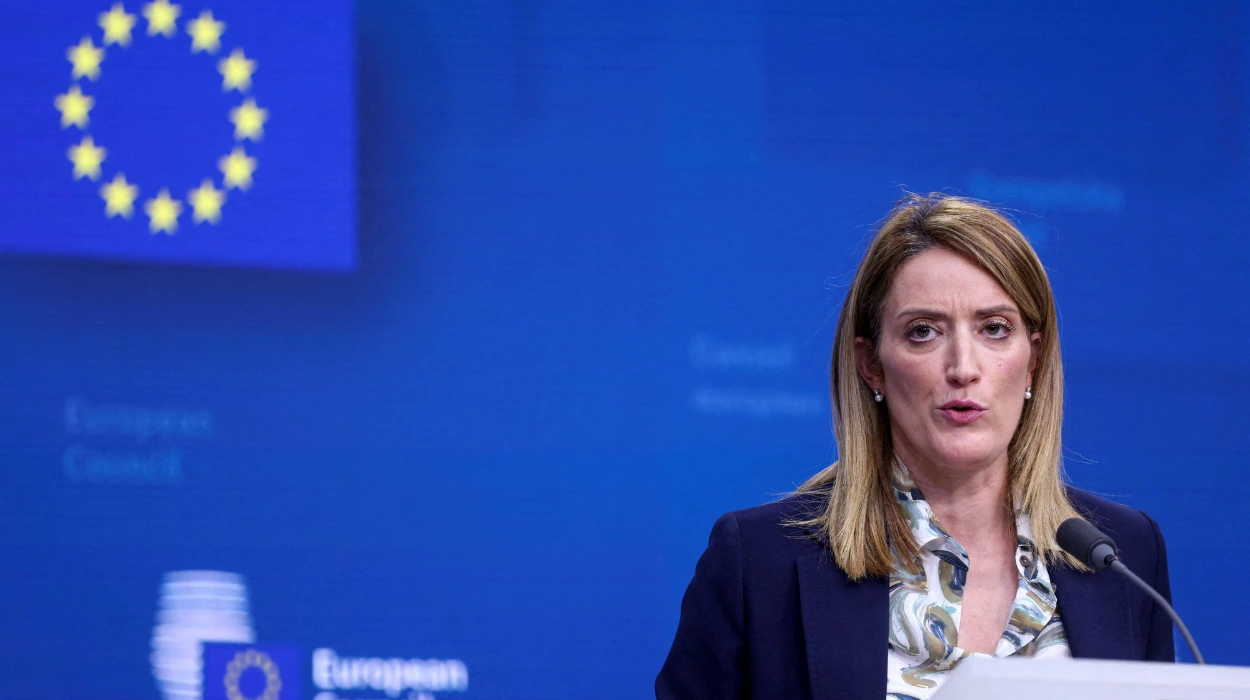
The Council of the European Union, particularly the Justice and Home Affairs Council, plays a pivotal role in advancing and formally adopting new visa policies, including suspension rules.
These bodies coordinate with the European Parliament and European Commission to negotiate and finalize legal reforms. The renewed suspension framework passed through trilogue negotiations and requires formal adoption by both Parliament and Council before becoming law.
Once adopted, this will empower the Commission and member states to utilize stronger and more flexible tools to uphold visa obligations.
What Travelers Should Know: Practical Implications
For nationals of visa-exempt third countries, these changes mean that while short-stay visa-free travel remains broadly available, governments of their home countries must adhere strictly to EU conditions on security, migration management, and human rights. Violations could lead to restrictions impacting travel freedom for individuals, including government officials.
Travelers should also be aware of the 90-day limit within any 180-day period rule, ensuring compliance to avoid penalties such as fines or future entry denials. Planning trips carefully and understanding visa conditions remain essential.
The EU continues to encourage third countries to cooperate fully on migration and security to maintain mutual visa-free access, fostering trust and mobility.
Wider Context: Visa Policy and Global Mobility
The EU’s visa suspension mechanism reflects a growing trend worldwide where countries balance open borders with sovereignty and security. Visa liberalization facilitates economic growth, cultural exchange, and diplomatic relations. However, it requires reciprocal commitment to shared values and responsibilities.
International bodies like the United Nations emphasize the importance of protecting human rights across migration policies. The EU’s approach to linking visa privileges with adherence to international norms aligns with this broader framework, positioning visa policy as both a diplomatic tool and a security measure.
Future Outlook for Short-Stay Visa-Free Travel to the EU
In the foreseeable future, short-stay visa-free travel is expected to continue playing an invaluable role in EU external relations. The reforms passed in 2025 will likely enhance the system’s robustness, ensuring only countries respecting essential commitments enjoy the privileges.
Digital advancements, including the rollout of the new European Travel Information and Authorization System (ETIAS), will complement visa policies, enabling faster and more secure travel authorizations while improving border security.
These harmonized efforts will support a stable, safe, and accessible travel environment benefiting millions of travelers globally.
Short-stay visa-free travel to the EU remains one of the Union’s key instruments for promoting open borders and cooperation with third countries. The 2025 reforms enhancing the suspension mechanism represent a pragmatic evolution, allowing the EU to address security concerns and human rights violations more effectively without resorting to wholesale visa restrictions prematurely.
By balancing openness with accountability, the EU sets a precedent for responsible global mobility governance. Travelers, governments, and businesses alike should stay informed about these developments to navigate the evolving landscape of international travel.
Dear reader,
Opinions expressed in the op-ed section are solely those of the individual author and do not represent the official stance of our newspaper. We believe in providing a platform for a wide range of voices and perspectives, even those that may challenge or differ from our own. We remain committed to providing our readers with high-quality, fair, and balanced journalism. Thank you for your continued support.