
Tervuren (Brussels Morning Newspaper) January 16, 2026 – The Voer en Dijle police zone has taken a new building into operation in Tervuren, bringing services closer to local residents. Officials state the facility enhances accessibility and community integration. The move supports ongoing efforts to position police nearer to citizens than ever before.
- Details of the New Police Facility
- Voer en Dijle Police Zone Overview
- Strategic Location Benefits in Tervuren
- Official Statements on Citizen Proximity
- Infrastructure and Technology Upgrades
- Impact on Local Policing Services
- Historical Context of Zone Developments
- Community Engagement Programmes Hosted
- Collaboration with Municipal Authorities
- Future Plans for the Facility
- Regional Policing Trends in Flemish Brabant
The new structure serves the Voer en Dijle zone, covering Tervuren and surrounding Flemish Brabant communes. Local authorities inaugurated the building to streamline operations and foster direct public interaction. Police leadership highlighted improved response capabilities and resident convenience as key benefits.
Details of the New Police Facility
The building provides modern office space, operational rooms, and public reception areas. It accommodates administrative functions, patrol coordination, and community liaison services. Location in Tervuren centralises access for zone inhabitants.
Construction completed recent phases, allowing immediate occupancy. Interior features include secure holding areas, evidence storage, and technology-equipped briefing rooms. Exterior design incorporates public parking and pedestrian-friendly entrances.
Zone spokespersons confirmed full handover from builders to police administration. Staff relocation occurred progressively, minimising service disruptions. Daily operations now run from the site, handling reports, inquiries, and preventive programmes.
Voer en Dijle Police Zone Overview

Voer en Dijle encompasses multiple municipalities in Flemish Brabant, including Tervuren, Overijse, Kraainem, Wezembeek-Oppem, and Oudergem. The zone manages local policing under Belgium’s integrated police model. Total population exceeds 70,000 residents across urban and suburban areas.
Headquarters previously located elsewhere, prompting the Tervuren expansion for decentralisation. The zone employs over 150 officers and support personnel. Core duties cover crime prevention, traffic control, victim assistance, and neighbourhood watch initiatives.
Annual reports detail activity levels, with thousands of interventions logged yearly. Budget allocations fund infrastructure upgrades like the new building. Partnerships with local governments sustain facility maintenance and expansions.
Strategic Location Benefits in Tervuren
Tervuren’s position offers proximity to key residential districts and the Africa Museum vicinity. Residents gain shorter travel times for non-emergency matters. The site lies near major roads, facilitating rapid deployment across the zone.
Public feedback shaped the facility’s design, prioritising welcoming atmospheres. Opening hours extend to evenings for working citizens. Digital check-in systems reduce wait times at counters.
Neighbourhood teams base operations here, conducting foot patrols and community meetings. Youth programmes and senior safety sessions occur on-site. Integration with municipal services streamlines joint initiatives.
Official Statements on Citizen Proximity
Zone chief remarked, “We are closer to the citizens than ever before.” This phrase underscores the relocation’s intent. Leadership views the building as a community hub beyond traditional policing.
Inauguration events drew local dignitaries, residents, and media. Speeches emphasised trust-building through visibility. Displays showcased vehicles, equipment, and prevention tools.
Printed materials and signage direct visitors efficiently. Online maps integrate the address into zone resources. Helplines route calls to the Tervuren number during shifts.
Infrastructure and Technology Upgrades
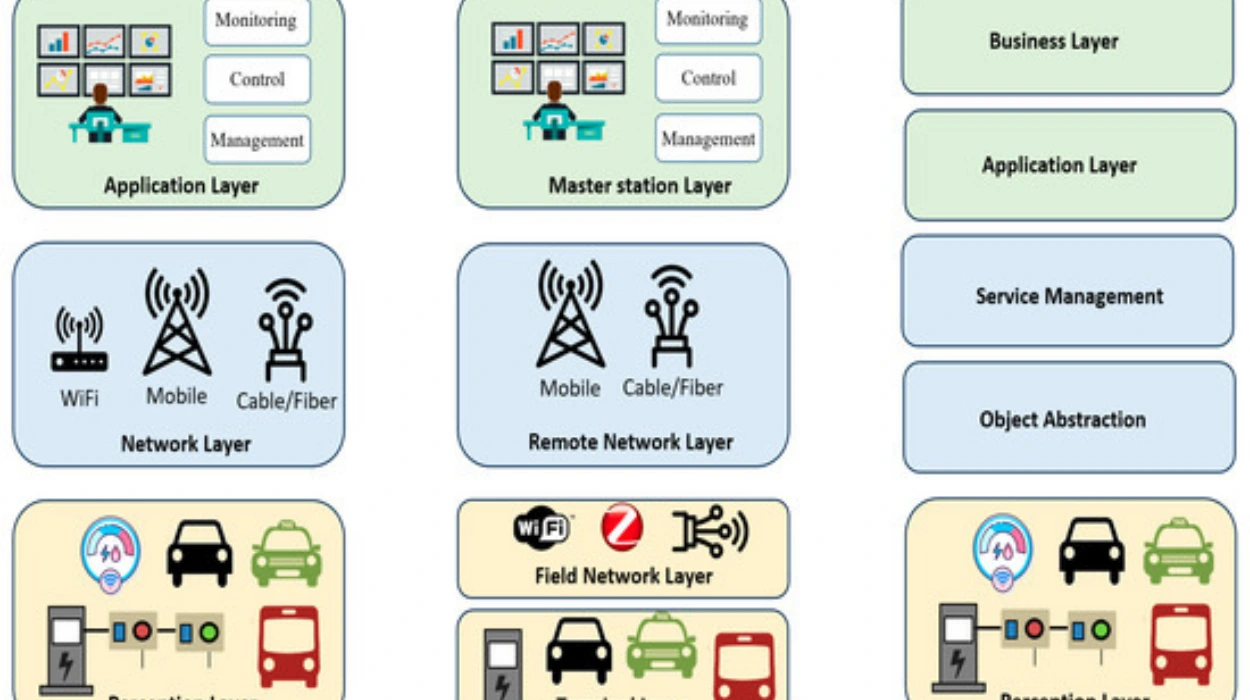
The facility installs advanced surveillance, communication networks, and data management systems. Body cameras for officers link to central servers here. Electric vehicle charging stations support sustainable fleets.
Meeting rooms host training for recruits and specialists. Fitness areas maintain staff readiness. Sustainability elements include solar panels and rainwater collection.
Budget from provincial and federal sources covered costs. Tenders followed public procurement rules. Completion aligned with 2025 timelines despite supply delays.
Impact on Local Policing Services
Residents report incidents directly at the counter, reducing phone reliance. Lost property returns process on-site. Administrative renewals, like firearm permits, occur locally.
Crime statistics track post-opening trends for evaluation. Initial data shows steady visit volumes. Partnerships with schools expand outreach from the base.
Emergency responses remain via 101 and 112, unaffected by the move. Non-urgent matters benefit most from proximity. Multilingual staff address diverse populations.
Historical Context of Zone Developments
Voer en Dijle formed in 2001 under police reform, merging local forces. Prior facilities served growing demands but lacked capacity. Planning for Tervuren began mid-2020s.
Earlier expansions included mobile units and cycle patrols. Digital transformation added online reporting portals. The new building caps a decade of modernisation.
Comparable zones in Brabant invested similarly, standardising facilities. National guidelines mandate accessible infrastructure. Audits verify compliance annually.
Community Engagement Programmes Hosted
Prevention campaigns launch from Tervuren, targeting burglary, traffic safety, and cybercrime. Workshops educate on scam recognition. Children’s road safety days fill calendars.
Senior cafes foster informal contact. Victim support groups meet weekly. Business forums discuss security measures.
Annual open days draw families, offering tours and demonstrations. Social media amplifies events, boosting attendance.
Collaboration with Municipal Authorities
Tervuren council allocated land for the project. Joint funding ensured timely delivery. Mayor attended ribbon-cutting, praising partnership.
Shared services include joint emergency planning. Police integrate into local event security. Feedback loops refine operations continuously.
Neighbouring zones exchange best practices. Regional conferences feature the Tervuren model.
Future Plans for the Facility
Expansion provisions allow future growth. Technology upgrades schedule yearly. Staff training programmes utilise spaces.
Sustainability audits plan annually. Public satisfaction surveys gauge effectiveness. Adjustments follow data reviews.
Zone strategy documents outline long-term goals, with Tervuren central. Recruitment drives target local talent.
Regional Policing Trends in Flemish Brabant
Nearby zones pursue similar decentralisation. Provincial police council coordinates efforts. Federal investments support infrastructure nationwide.
Digital tools unify reporting across zones. Cross-border cooperation aids investigations. Annual congresses share innovations. Performance metrics compare facilities region-wide. Tervuren benchmarks against peers post-opening.