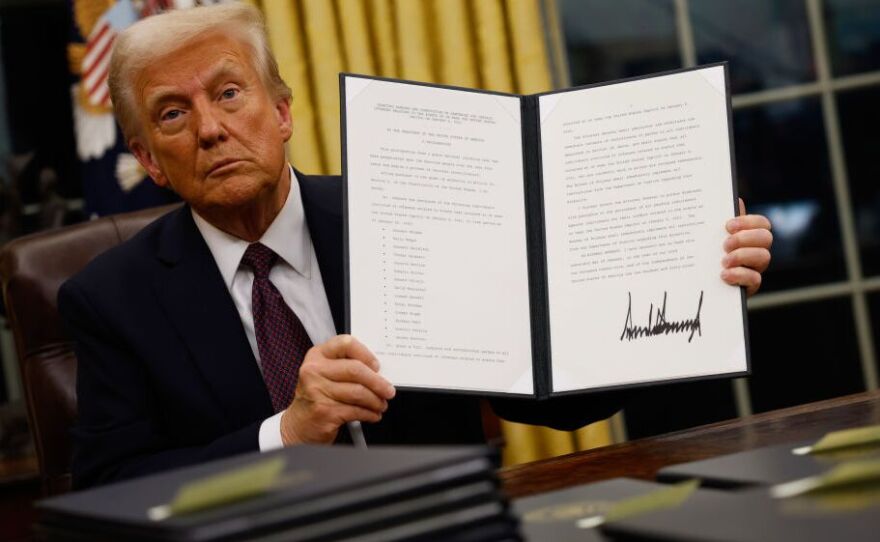
Washington — January, 2026: Brussels Morning Newspaper states that former United States President Donald Trump signed an executive order in the US capital this month to secure Venezuelan oil revenue held in American financial institutions. The decision represents a notable development in 2026, highlighting the continued convergence of energy policy, sanctions enforcement, and international diplomacy as Washington maintains oversight of strategic foreign-held assets.
Executive Order Clarifies Control Over Foreign Assets
The executive order establishes a clear legal framework governing overseas funds linked to Venezuela’s state-run energy sector. US officials said the directive ensures that assets cannot be transferred, liquidated, or reassigned without formal authorization. The intention, according to policy briefings, is to preserve Venezuelan oil revenue intact while political uncertainty persists.
Financial institutions are required to apply enhanced compliance standards, including continuous monitoring and detailed disclosures. These measures aim to strengthen transparency while ensuring adherence to existing sanctions regulations.
Background The Central Role of Oil in Venezuela’s Economy
Oil has shaped Venezuela’s modern history more than any other resource. For decades, export earnings financed social programs, infrastructure development, and government operations. As production declined and governance challenges deepened, external holdings gained greater importance. Safeguarding Venezuelan oil revenue abroad has therefore become a critical component of maintaining national wealth during prolonged instability.
Economic historians note that the preservation of overseas assets has been used by multiple nations during periods of political transition to prevent irreversible financial loss.
Washington’s Strategy Economic Pressure Without Escalation
The decision reflects a broader strategy in Washington that favors economic instruments over direct confrontation. By maintaining control over Venezuelan oil revenue, US policymakers preserve leverage while avoiding military or diplomatic escalation. This approach has shown continuity across administrations, underscoring bipartisan agreement on asset-based pressure.
One senior US official familiar with the policy said,
“These resources are being preserved so they can eventually support the Venezuelan people under accountable and transparent conditions.”
Legal Structure and Financial Compliance Obligations
The order introduces stricter oversight requirements for banks and intermediaries handling Venezuelan-linked accounts. Institutions must conduct enhanced due diligence, report any irregularities, and comply with unified federal guidance. Clearly defining the legal status of Venezuelan oil revenue reduces operational uncertainty for multinational firms navigating complex regulatory environments.
Legal analysts say the clarity helps prevent inadvertent violations while strengthening enforcement against deliberate circumvention.
Economic Impact Inside Venezuela
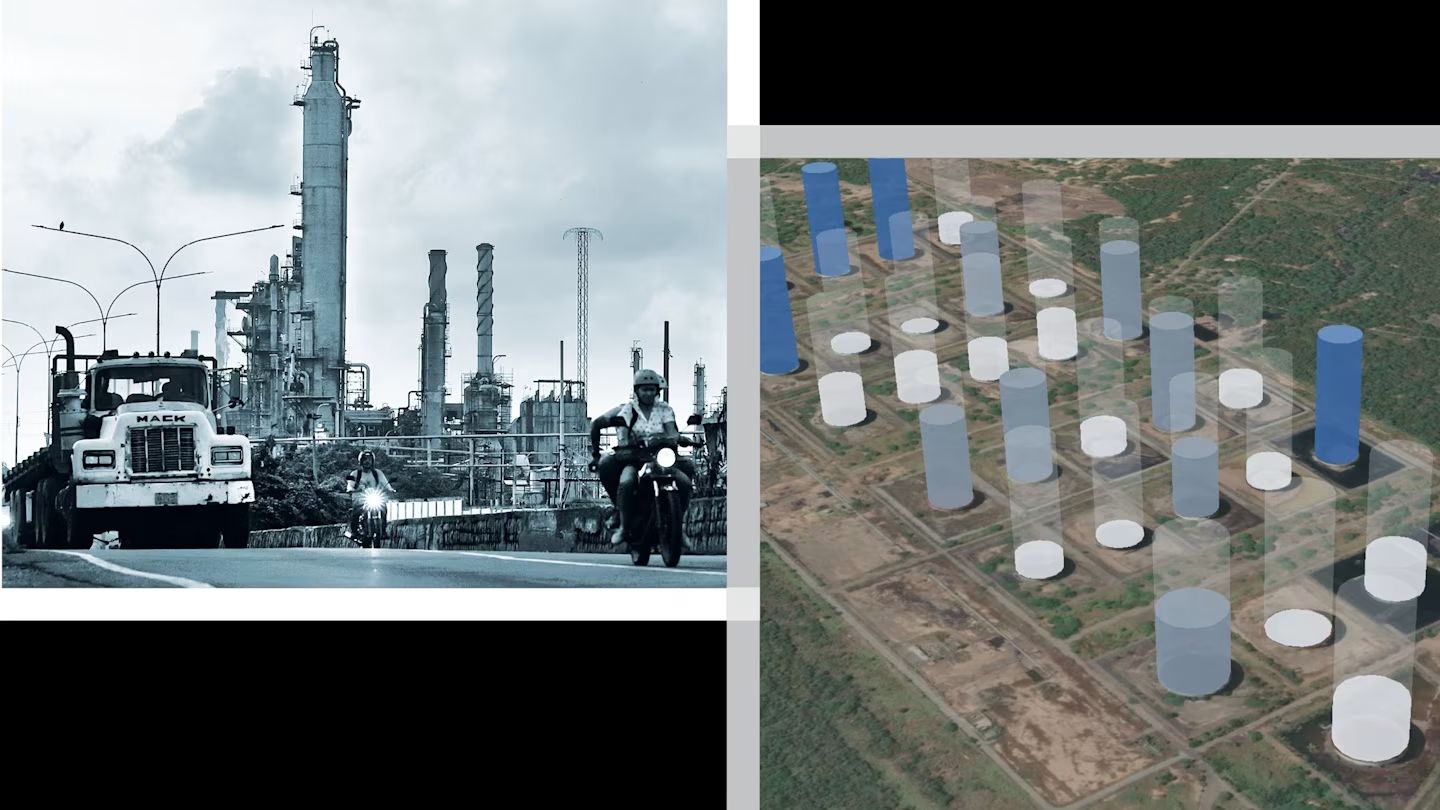
Within Venezuela, restricted access to external funds continues to strain public finances. Import capacity remains limited, infrastructure projects are delayed, and investment in the energy sector faces persistent constraints. While the executive order does not directly alter domestic economic conditions, it reinforces that Venezuelan oil revenue remains beyond reach under current political realities.
Economists argue that unlocking protected assets in the future will require institutional reform and restored international confidence.
Oil Sector Challenges and Structural Constraints
Venezuela’s oil industry faces multiple challenges, including aging infrastructure, reduced technical capacity, and limited capital investment. Without access to overseas reserves, modernization efforts remain stalled. Supporters of the asset protection policy argue that preserving Venezuelan oil revenue abroad prevents misallocation and ensures funds are available once reforms permit effective use.
Critics counter that prolonged restrictions delay recovery, illustrating the tension between preservation and immediate economic need.
Reaction From Global Energy Markets
International energy markets responded with caution, viewing the order as a continuation of existing policy rather than a disruptive shift. Venezuela’s diminished output already limits its role in global supply, but decisions affecting Venezuelan oil revenue are closely monitored for their long-term implications.
Market analysts say predictable policy direction helps stabilize expectations amid broader energy volatility.
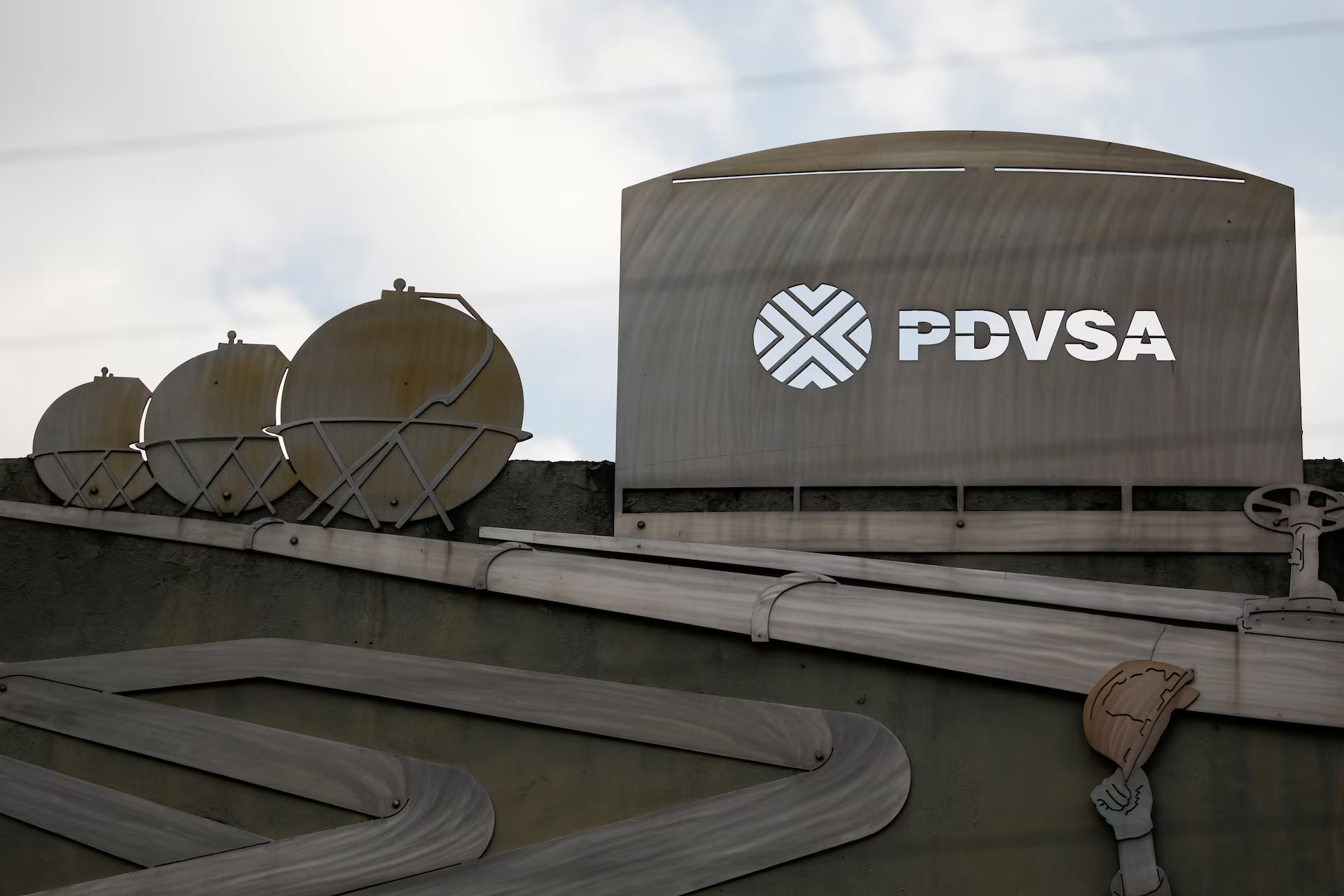
International Diplomatic Responses
Reactions among international partners were mixed. Some governments welcomed the emphasis on transparency and asset preservation, while others raised humanitarian concerns. Diplomatic discussions continue around frameworks that could allow limited humanitarian access without undermining protections surrounding Venezuelan oil revenue.
Multilateral institutions have encouraged solutions that balance accountability with urgent social needs.
Humanitarian Debate and Public Welfare Concerns
Asset controls often prompt debate over their indirect impact on civilian populations. Critics argue that limiting access to Venezuelan oil revenue constrains public spending and worsens living conditions. Supporters maintain that corruption and mismanagement, rather than asset protection, are the primary causes of hardship.
The debate highlights the ethical complexity surrounding sanctions and national resources.
Policy Continuity Across US Administrations
Although the order was signed by Trump, it reflects continuity rather than a sharp policy departure. Financial controls have long been used by Washington to exert influence without armed intervention. The safeguarding of Venezuelan oil revenue aligns with this broader tradition of sanctions-driven diplomacy.
Policy analysts describe the approach as incremental, favoring endurance over rapid outcomes.
Strategic Leverage in Future Negotiations
By securing overseas assets, the US preserves leverage for potential negotiations. If political conditions evolve, protected Venezuelan oil revenue could support reconstruction, institutional reform, and energy-sector revitalization. Until then, the order signals a long-term holding strategy rather than an immediate resolution.
Such leverage allows flexibility while maintaining consistent pressure.
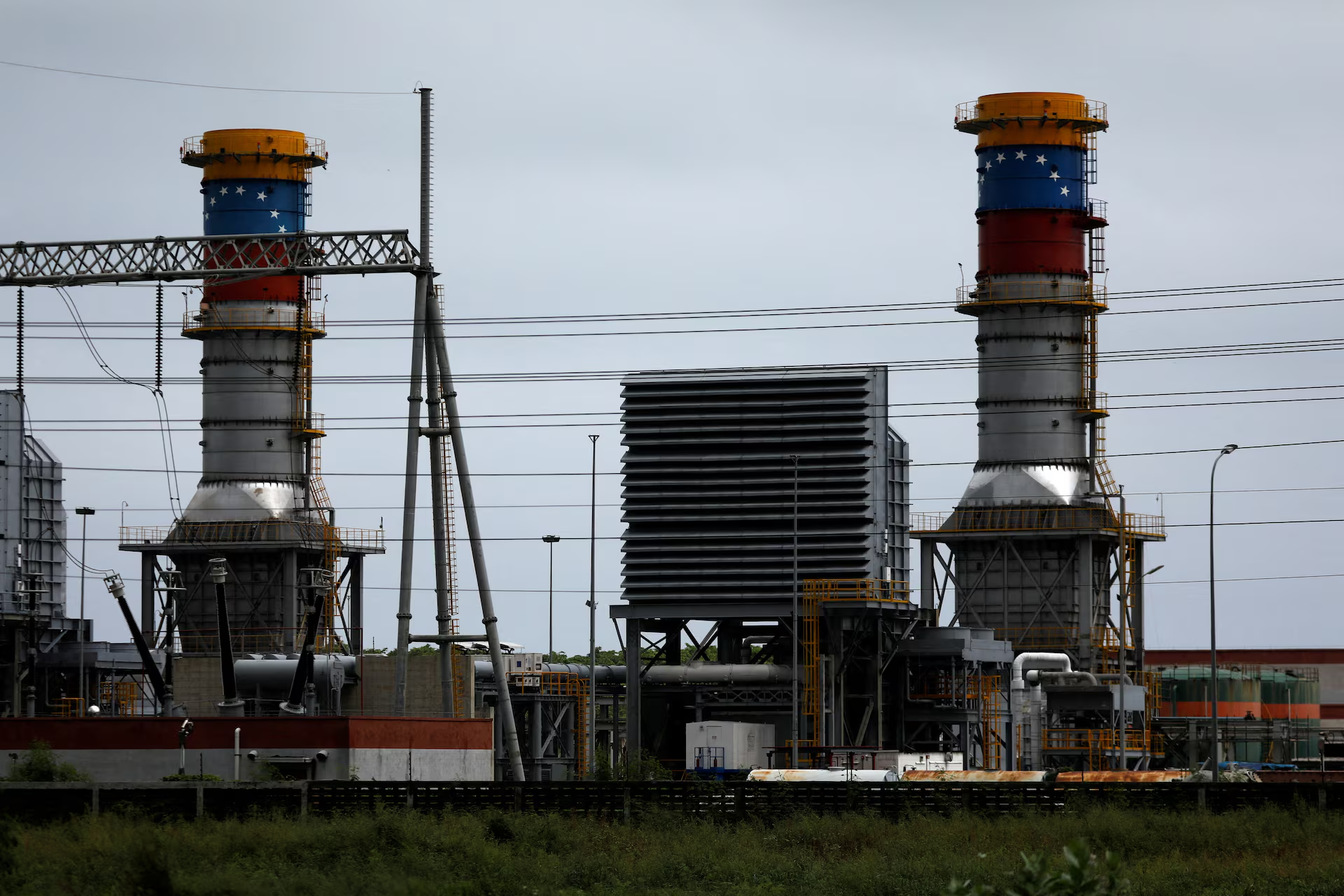
Energy Resources and Global Power Dynamics
Energy assets continue to shape global power relations. Control over Venezuelan oil revenue illustrates how natural resources intersect with governance, legitimacy, and international influence. Decisions regarding asset protection extend beyond economics, influencing diplomatic positioning and regional stability.
Observers note that similar approaches have been used in other geopolitical contexts involving frozen state assets.
Regional Implications Across Latin America
Governments throughout Latin America are closely watching how overseas assets are managed. The handling of Venezuelan oil revenue may influence regional debates on sovereignty, sanctions, and external oversight. Analysts suggest the case could serve as a reference point for future disputes involving national resources held abroad.
Regional forums continue to discuss coordinated responses to asset freezes and economic pressure.
Looking Ahead Energy Transition and Policy Evolution
As global energy systems evolve and geopolitical priorities shift, Venezuela’s vast reserves remain strategically significant. Preserving Venezuelan oil revenue ensures national assets are not permanently lost during instability. The challenge lies in aligning political change with economic recovery and social welfare.
Long-term outcomes will depend on governance reforms that restore transparency and investor confidence.
A Calculated Approach to Long-Term Stability
The executive order reflects a deliberate preference for stability over speed. By safeguarding overseas assets, Washington reinforces a patient strategy while keeping future options open. The ultimate fate of Venezuelan oil revenue will depend on political developments, institutional reform, and international cooperation.
When Energy Assets Become the Language of Power
In an era where diplomacy increasingly intersects with economics, the protection of overseas resources underscores how energy assets have become instruments of global influence, shaping negotiations, alliances, and the balance of power far beyond national borders.