Brussels Morning Newspaper reports that the phrase Venezuelan elections premature has emerged as a defining warning in the global debate over Venezuela’s future, following remarks from Marco Rubio. Rubio cautioned that pressing for elections in Venezuela without meaningful political and institutional reforms could worsen instability rather than restore democratic governance. His statement immediately resonated across diplomatic circles, reflecting widespread concern that elections alone cannot resolve Venezuela’s deep rooted crisis.
Venezuela continues to struggle under the weight of political division, economic collapse, humanitarian hardship, and weakened institutions. In this fragile environment, Rubio’s assertion that Venezuelan elections premature are not the answer highlights a broader reality facing the international community: democracy cannot simply be scheduled on a calendar. It must be built on trust, fairness, and functioning institutions capable of protecting the will of the people.
Why Rubio Says Venezuelan Elections Are Premature
Rubio’s argument centers on the absence of conditions required for free and fair elections. He has repeatedly stressed that voting without institutional safeguards risks legitimizing existing power structures rather than challenging them. Courts must be independent, electoral authorities must be neutral, and political participation must be free from intimidation.
By stating that Venezuelan elections premature, Rubio emphasizes that elections held under compromised conditions could produce results that lack credibility both inside and outside the country. In his view, elections should be the outcome of reform, not a substitute for it.
Venezuela’s Political System Under Strain
Venezuela’s political system has been under strain for years. Power remains heavily concentrated, checks and balances are weak, and public confidence in institutions has eroded. These conditions reinforce the argument that Venezuelan elections premature would fail to address the core challenges facing the country.
Past electoral processes have drawn criticism for irregularities, restricted competition, and limited international observation. Without addressing these systemic issues, another election risks repeating the same cycle of disputed outcomes and political paralysis.
International Concerns Over Election Timing
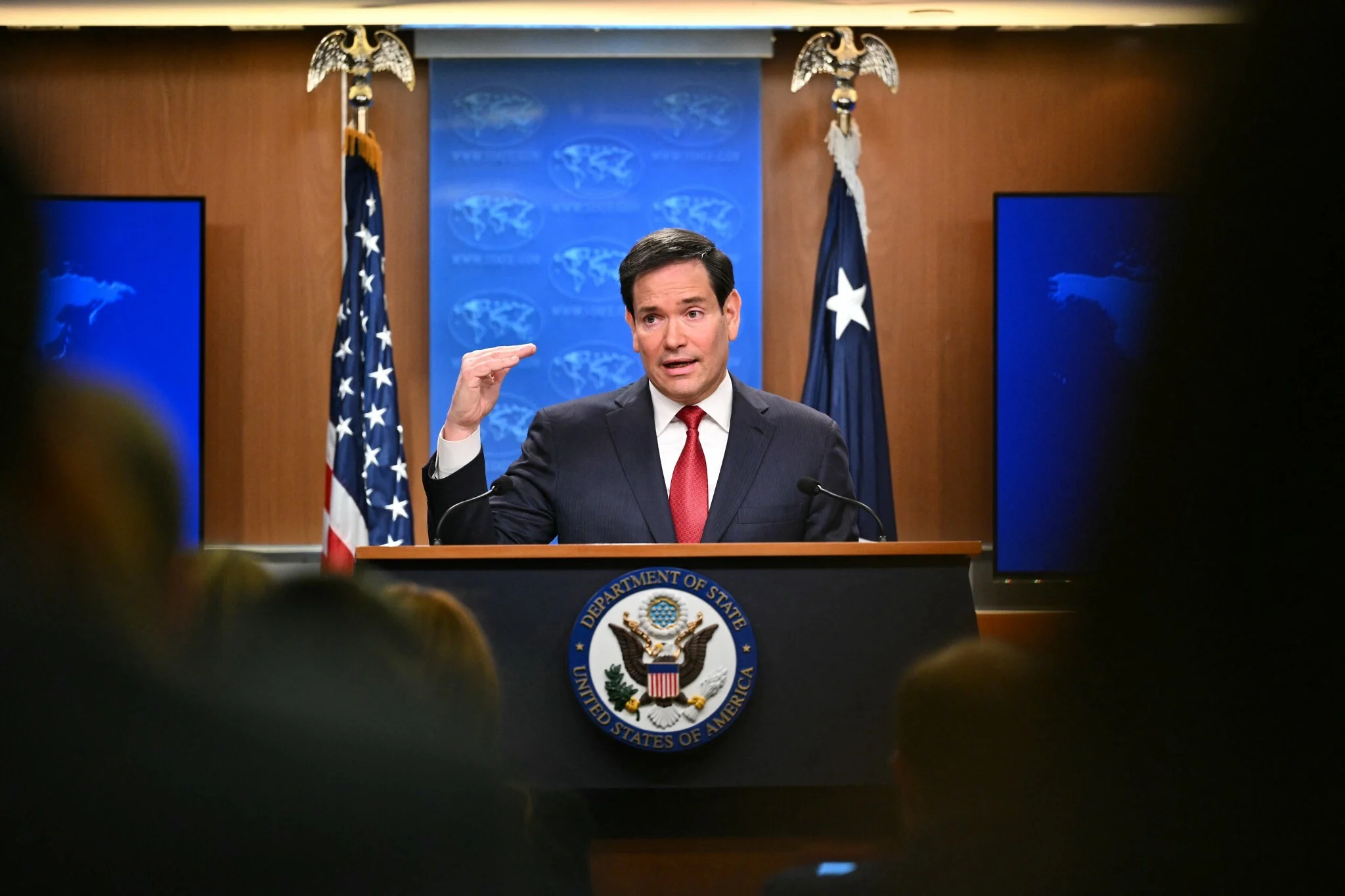
Rubio’s remarks align with growing international concern about election timing in Venezuela. Governments and policy experts across Latin America and Europe have voiced similar caution, arguing that elections without reforms could deepen divisions rather than heal them.
The phrase Venezuelan elections premature has become shorthand for a broader diplomatic stance: credible elections require groundwork. This includes legal reforms, transparent processes, and guarantees for all political actors.
Economic Collapse and Democratic Participation
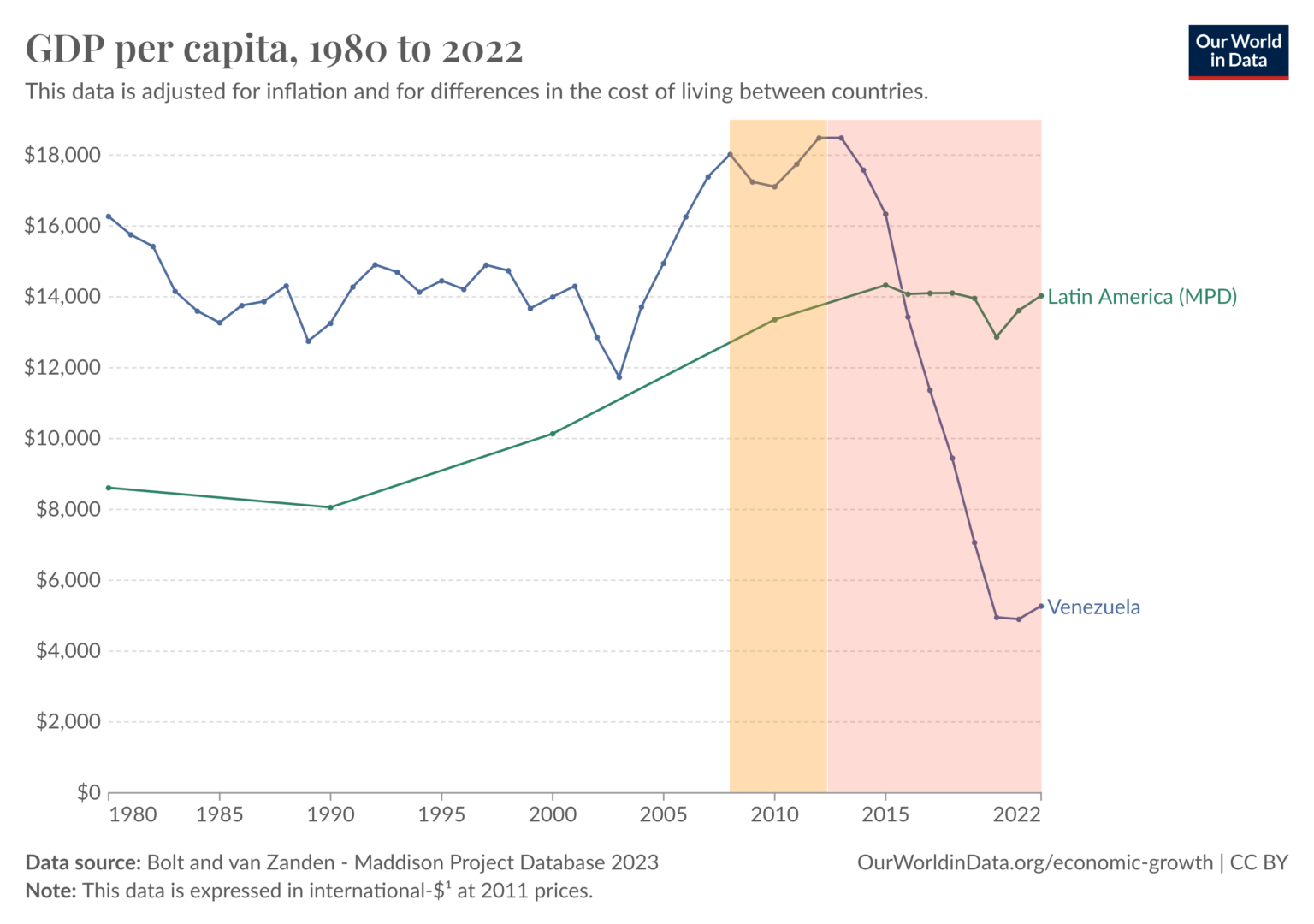
Venezuela’s economic collapse plays a central role in the debate. Years of hyperinflation, unemployment, and currency instability have devastated household incomes and eroded living standards. Under such conditions, Rubio argues that Venezuelan elections premature would not address the daily struggles of ordinary citizens.
Economic hardship undermines democratic participation. When survival becomes the priority, civic engagement declines, voter turnout drops, and elections lose legitimacy. Rubio’s position reflects the belief that economic stabilization must accompany political reform.
Humanitarian Crisis and Mass Migration
One of the most visible consequences of Venezuela’s crisis is mass migration. Millions of Venezuelans have left the country, creating humanitarian challenges across the region. This displacement strengthens the argument that Venezuelan elections premature may not accurately reflect the will of the population.
An electorate scattered across borders raises serious questions about inclusion and representation. Elections conducted amid widespread displacement risk excluding large segments of society.
U.S. Policy Strategy Toward Venezuela
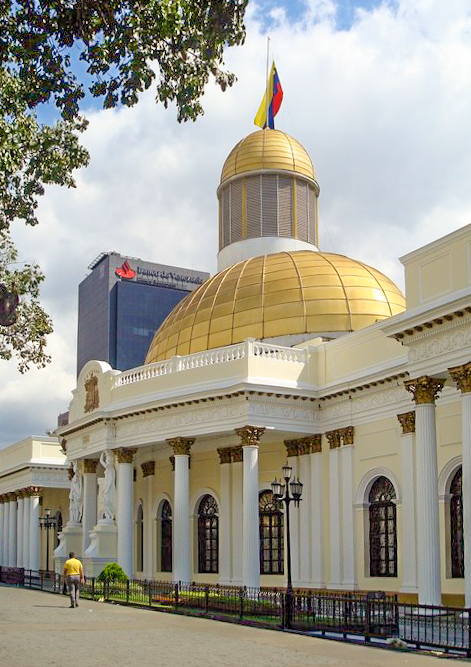
From a U.S. policy perspective, Rubio’s comments signal a cautious and conditional approach. Declaring Venezuelan elections premature suggests that diplomatic engagement, sanctions relief, and recognition should be tied to measurable progress in governance and human rights.
This strategy prioritizes long term democratic stability over short term political symbolism. Rubio’s stance reflects concern that rushed elections could undermine broader efforts to encourage reform.
Divisions Within the Venezuelan Opposition
Inside Venezuela, opposition groups remain divided over strategy and timing. Some advocate for immediate elections as a way to break political deadlock, while others agree that Venezuelan elections premature could weaken opposition credibility if conditions remain unfair.
These divisions highlight the complexity of Venezuela’s crisis. Without unity and safeguards, elections risk fragmenting opposition movements rather than strengthening them.
Democracy Beyond the Ballot Box
Rubio’s remarks challenge the idea that democracy begins and ends with elections. By declaring Venezuelan elections premature, he underscores the importance of rule of law, freedom of expression, and institutional independence.
Democracy requires accountability, transparency, and enforcement of rights. Elections should reflect these principles, not replace them.
Conditions Needed for Credible Elections
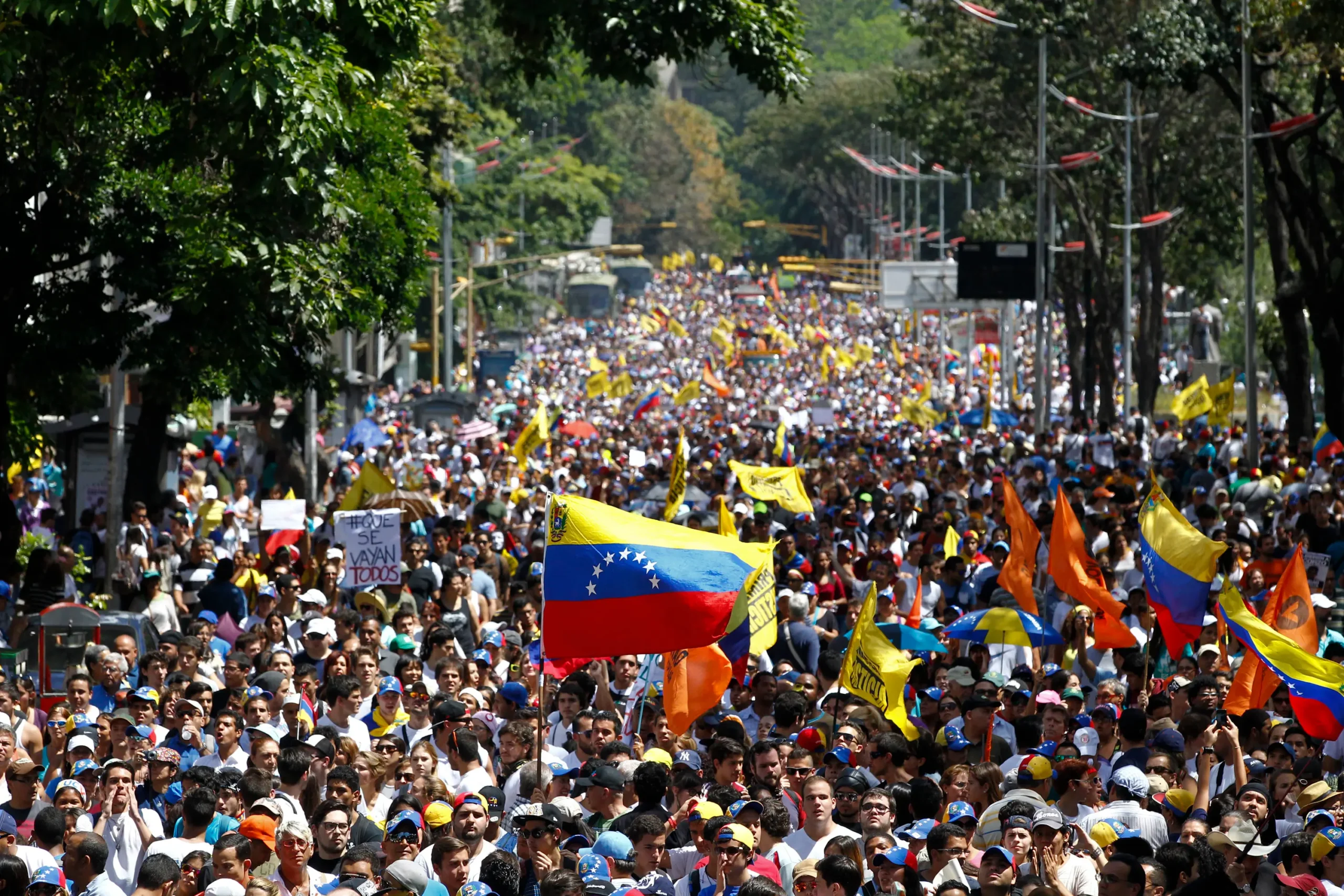
For elections to be meaningful, several benchmarks must be met. These include independent electoral oversight, freedom for political parties, open media access, transparent voter registration, and international monitoring. Until these conditions exist, Rubio maintains that Venezuelan elections premature would fail to deliver real change.
This approach emphasizes preparation and reform over rushed timelines.
Regional Stability and Broader Implications
Venezuela’s instability affects neighboring countries through migration, security concerns, and economic disruption. The belief that Venezuelan elections premature reflects fears that unresolved political issues could continue to spill across borders.
Regional leaders understand that Venezuela’s path forward will influence broader stability across the Americas.
Public Sentiment Inside Venezuela
Among Venezuelan citizens, frustration and exhaustion dominate public sentiment. Years of crisis have eroded trust in political promises. Many fear that elections held too soon would offer hope without substance, reinforcing the belief that Venezuelan elections premature could deepen cynicism.
Restoring trust requires visible reforms, economic relief, and accountability.
The Role of International Observers
International observers are widely viewed as essential to electoral credibility. However, observers alone cannot compensate for systemic flaws. Rubio’s warning that Venezuelan elections premature reflects skepticism that monitoring can ensure fairness without institutional reform.
Observers must operate within transparent and enforceable systems to be effective.
A Long Road Toward Democratic Renewal
Venezuela’s recovery will not be immediate. Rubio’s comments highlight the reality that democratic renewal is a process, not an event. Declaring Venezuelan elections premature signals that meaningful change requires sustained effort, compromise, and institutional rebuilding.
This perspective challenges short term political narratives and emphasizes long term solutions.
Reform Before the Ballot
Marco Rubio’s declaration that Venezuelan elections premature has reshaped the international conversation about Venezuela’s future. Rather than opposing democracy, his stance emphasizes the need for conditions that allow democracy to function as intended.
As Venezuela continues to face political, economic, and humanitarian crises, the debate over elections highlights a deeper truth: without reform, elections risk becoming another missed opportunity. Patience, preparation, and institutional rebuilding must come first if the ballot box is to deliver lasting change.