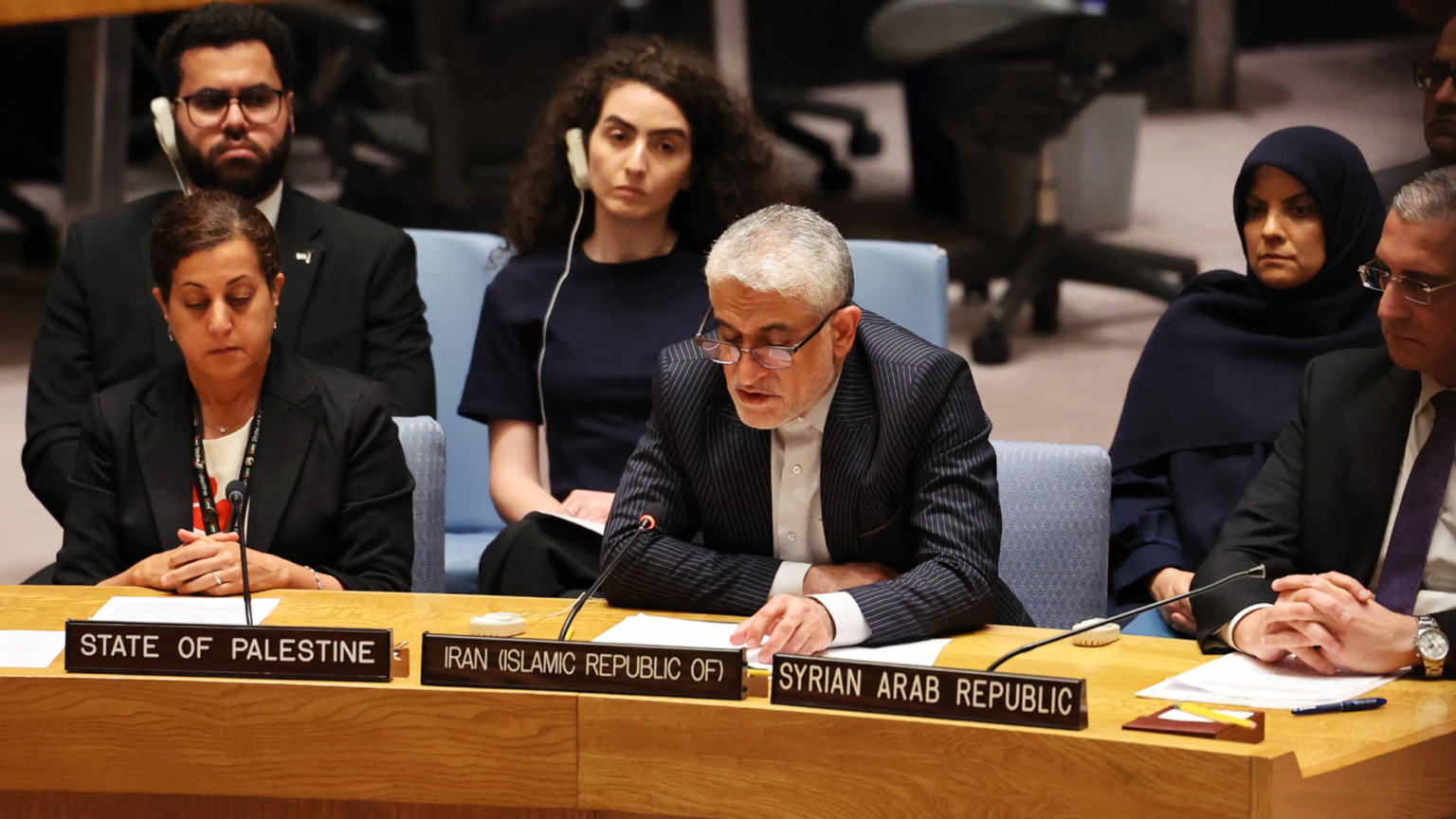
NewYork, Janaury 2026 According to Brussels Morning Newspaper that in 2026 New York, the UNSC emergency session Iran has emerged as one of the most closely watched diplomatic events of the year, drawing the attention of governments, analysts, and civil society worldwide. Convened at the headquarters of the United Nations, the meeting reflects escalating concern among Security Council members about ongoing protests and internal unrest in Iran. Diplomats gathered under intense media scrutiny as questions of human rights, sovereignty, and regional stability converged in a single forum.
The emergency session underscores how domestic developments in Iran have moved beyond national boundaries to become matters of international debate, highlighting the interconnected nature of modern global security.
Origins of the Emergency Session
The decision to convene the UNSC emergency session Iran followed weeks of rising diplomatic pressure. Reports from activists, monitoring groups, and international media detailed widespread demonstrations across Iranian cities and an increasingly forceful response by security authorities. Several Security Council members argued that the scale and persistence of unrest justified urgent discussion under the Council’s responsibility to prevent threats to international peace.
Supporters of the meeting stressed that early engagement could help avert escalation, while critics questioned whether internal protest movements fall within the Council’s mandate.
The Location and Diplomatic Setting
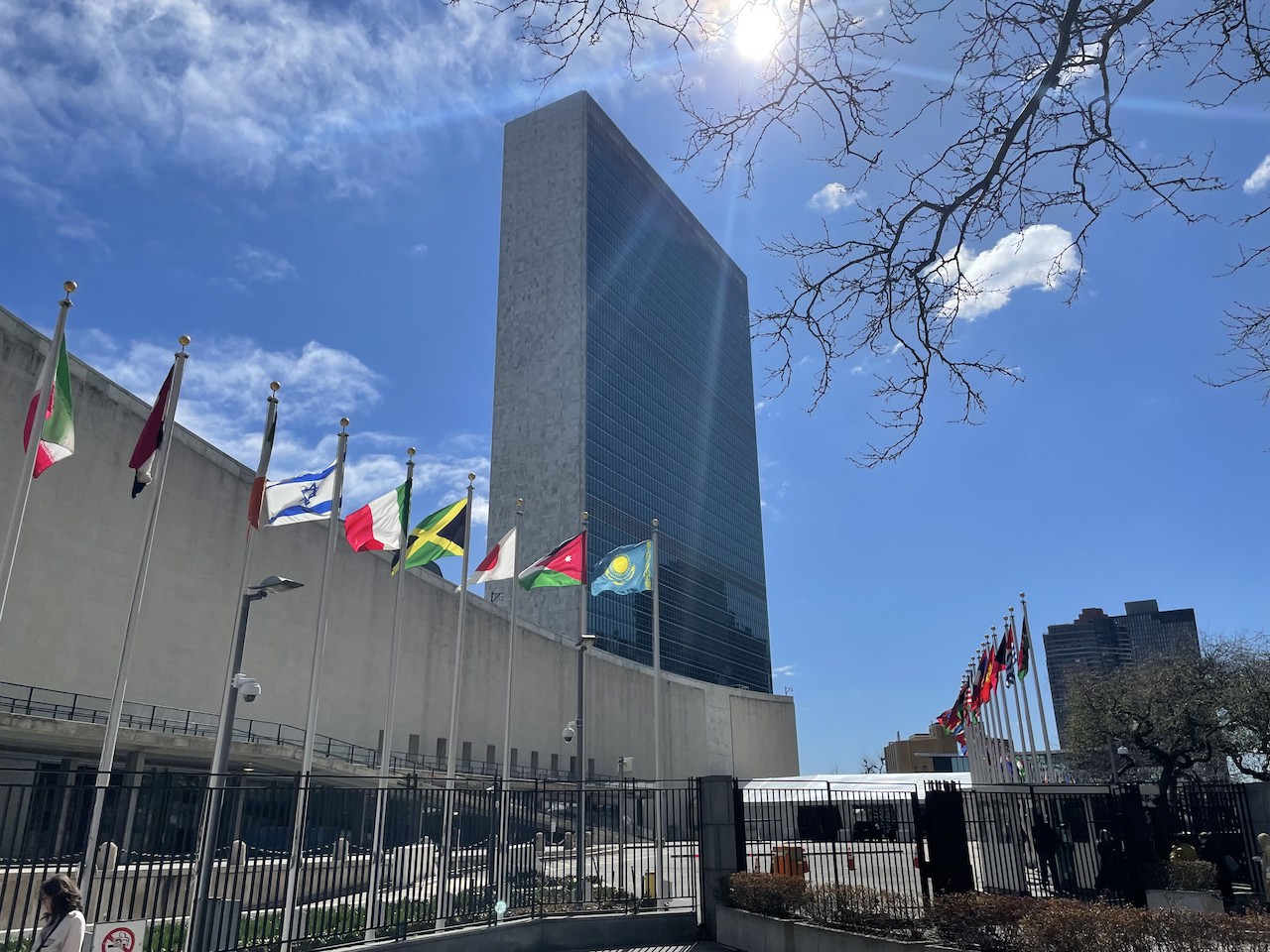
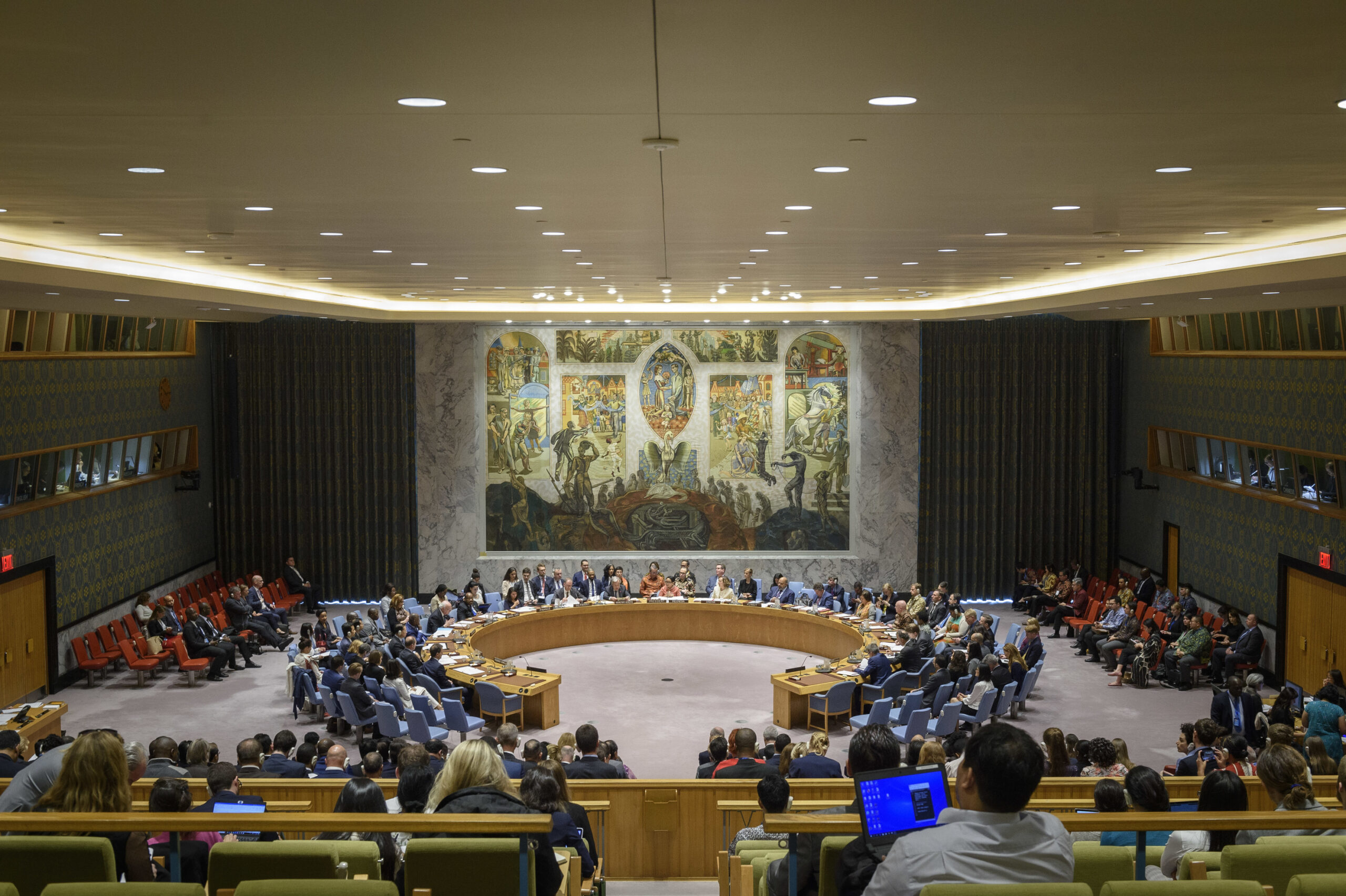
The session took place in New York, at the United Nations headquarters overlooking the East River. Inside the iconic Security Council chamber, delegations from permanent and non-permanent member states convened in a tightly controlled environment reflecting the seriousness of the agenda.
As the UNSC emergency session Iran began, security was heightened throughout the complex, and journalists from around the world assembled to track developments that could influence global diplomatic relations.
Background to the Iran Protests
The protests that prompted the meeting did not arise in isolation. Over recent years, Iran has faced mounting economic pressures, including inflation, currency volatility, and unemployment. These challenges have been compounded by social restrictions and political grievances that have fueled public frustration.
As demonstrations spread from local gatherings to nationwide expressions of discontent, the situation escalated into a topic of international concern, ultimately leading to the UNSC emergency session Iran.

Human Rights at the Forefront
Human rights concerns dominated early discussions. Briefings presented to the Council referenced detentions, restrictions on communication, and the treatment of protesters. Several delegations emphasized that the UNSC emergency session Iran should prioritize civilian protection and respect for internationally recognized standards.
Speakers highlighted that addressing human rights does not necessarily equate to interference, but rather reflects shared global values enshrined in UN principles.
Iran’s Position and Sovereignty Debate
Iranian officials have consistently characterized the protests as internal matters influenced by external actors. Although Iran was not directly represented at the Council table, allied states voiced concerns that the UNSC emergency session Iran could undermine national sovereignty.
This debate underscored a long-standing tension within the Security Council between respecting state sovereignty and responding to situations with potential international repercussions.
Diverging Views Among Council Members
The meeting revealed clear divisions. Some permanent members argued that the Security Council should intervene only when conflicts pose immediate cross-border threats. Others maintained that Iran’s regional influence means prolonged unrest could have far-reaching consequences, making the UNSC emergency session Iran both appropriate and necessary.
Despite disagreements, most members agreed that open dialogue was preferable to diplomatic silence.
Regional Security Implications
Several speakers warned that instability in Iran could ripple across the Middle East. The UNSC emergency session Iran examined scenarios involving energy market disruption, migration pressures, and heightened regional tensions.
Analysts noted that Iran’s strategic position amplifies concerns that domestic unrest could affect neighboring countries and global economic stability.
International Law and Preventive Diplomacy
Legal experts addressed how international law applies to domestic unrest. While the UN traditionally avoids involvement in internal affairs, the UNSC emergency session Iran was framed as preventive diplomacy aimed at avoiding wider conflict.
Delegates emphasized that early engagement can sometimes reduce the likelihood of future crises, aligning with the Council’s broader preventive mandate.
Media Coverage and Public Attention
The session attracted extensive global media coverage. Supporters argue that the UNSC emergency session Iran shines a necessary spotlight on developments that might otherwise remain opaque. Critics questioned whether such discussions would produce tangible outcomes.
Public expectations remain cautious, shaped by previous experiences of limited follow-through on similar issues.
Diplomatic Tools Discussed
During consultations, diplomats explored potential next steps, including follow-up briefings, statements, and continued monitoring. While no immediate resolution emerged, the UNSC emergency session Iran opened channels for sustained engagement.
Officials stressed that long-term impact depends on consistency rather than a single meeting.
One Voice from the Chamber
A senior diplomat captured the preventive rationale of the session, stating
“Addressing risks early is always preferable to managing crises after they explode.”
The remark encapsulated the logic guiding many supporters of the emergency meeting.
Broader Impact on Multilateral Diplomacy
Beyond Iran, the meeting reflects a broader trend of using multilateral institutions to address human rights and internal stability concerns. The UNSC emergency session Iran illustrates both the reach and limitations of collective diplomacy in politically sensitive situations.
Observers note that even symbolic engagement can influence international narratives and policy priorities.
Structural Challenges Within the Security Council
The session also highlighted institutional constraints such as veto power and competing strategic interests. These factors shape how far discussions can translate into concrete action.
Nevertheless, proponents argue that the UNSC emergency session Iran reaffirmed the Council’s relevance as a forum for crisis dialogue.
Implications for Iran’s Global Relations
International scrutiny generated by the meeting may influence Iran’s diplomatic relationships. Persistent attention following the UNSC emergency session Iran could affect negotiations on economic cooperation and regional security arrangements.
Diplomats cautioned that outcomes would depend on both internal developments and sustained international engagement.
Civil Society and International Monitoring
Human rights organizations and advocacy groups closely followed the meeting. They argue that continued visibility helps protect protesters by increasing accountability.
Such groups see the UNSC emergency session Iran as an opportunity to keep international focus on conditions that might otherwise fade from headlines.
Economic Considerations
Economic analysts note that prolonged unrest in Iran could impact global energy markets. Discussions during the UNSC emergency session Iran touched on how internal instability intersects with economic security.
Delegates acknowledged that economic stress can exacerbate political tensions, reinforcing arguments for preventive diplomacy.
Lessons from Past Security Council Sessions
Observers compared the current meeting to previous Security Council sessions addressing internal unrest in other countries. Results have varied widely, with some sessions leading to sustained engagement and others fading quickly.
The UNSC emergency session Iran will likely be judged against these precedents in the months ahead.
Expectations for the Coming Months
As 2026 progresses, diplomats expect continued monitoring of developments inside Iran. Follow-up discussions and briefings may occur depending on conditions on the ground.
The effectiveness of the UNSC emergency session Iran will be measured over time by whether it contributes to de-escalation and transparency.
Youth and Future Stability
Analysts highlight the role of Iran’s younger population, which has been prominent in recent protests. Their expectations regarding governance and opportunity will shape the country’s future trajectory.
How these dynamics evolve after the UNSC emergency session Iran remains a critical question for both domestic and international observers.
The Role of Dialogue
Many delegates emphasized dialogue as the preferred path forward. They argued that sustainable stability depends on addressing grievances rather than suppressing expression.
The UNSC emergency session Iran was thus framed as a starting point rather than a conclusion.
A Test of International Norms
The meeting tested international norms around sovereignty, human rights, and collective responsibility. Balancing these principles remains one of the Security Council’s greatest challenges.
The UNSC emergency session Iran highlighted how difficult but necessary such balancing acts can be.
Long-Term Diplomatic Significance
Regardless of immediate outcomes, the session may shape future approaches to similar situations. It signals that internal unrest in influential states can draw multilateral attention under certain conditions.
In this sense, the UNSC emergency session Iran carries implications beyond Iran itself.
The convening of the UNSC emergency session Iran in New York marks a defining moment in international diplomacy in 2026. While divisions persist, the meeting underscores shared concern about the trajectory of unrest and its potential consequences.
As discussions continue beyond the chamber, global attention remains fixed on how dialogue and diplomacy may influence events on the ground.