
Venezuela Denounces Trump’s Order for Ship Blockade as ‘Warmongering Threats’
Venezuela denounces Trump’s order for ship blockade as “warmongering threats,” marking a significant escalation in the already tense relationship between the two countries. This latest move by the Trump administration, involving a naval blockade aimed at cutting off supplies to the Maduro government, has been roundly criticized by Venezuelan officials who see it as an aggressive and illegal act violating international norms. The unfolding situation highlights the complexities of geopolitical pressure, sovereignty, and diplomacy amid Venezuela’s ongoing political and economic crisis.
- Background: The Roots of Tensions Between Venezuela and the U.S.
- Details of Trump’s Order for Ship Blockade
- Venezuela Denounces Trump’s Order for Ship Blockade as ‘Warmongering Threats’
- Legal and Humanitarian Implications of the Blockade
- International Reactions and Diplomatic Fallout
- The Broader Context of U.S.-Venezuela Relations Under Trump
- What Comes Next? Prospects for De-escalation or Conflict
Background: The Roots of Tensions Between Venezuela and the U.S.
The conflict between Venezuela and the United States has been simmering for years, rooted largely in ideological differences and competing political interests. The U.S. government has expressed strong opposition to Nicolás Maduro’s presidency, which many Western countries do not recognize as legitimate following disputed elections and human rights concerns. Instead, the U.S. has supported opposition leader Juan Guaidó, who declared himself interim president in 2019.
Economic sanctions have long been the primary tool employed by the U.S. to undermine Maduro’s government. These sanctions target Venezuela’s vital oil sector, financial institutions, and key political figures, aiming to pressure Caracas into holding free elections and restoring democratic governance. However, critics argue that sanctions have exacerbated the humanitarian crisis, deepening shortages of food, medicine, and basic supplies for ordinary Venezuelans.
Details of Trump’s Order for Ship Blockade
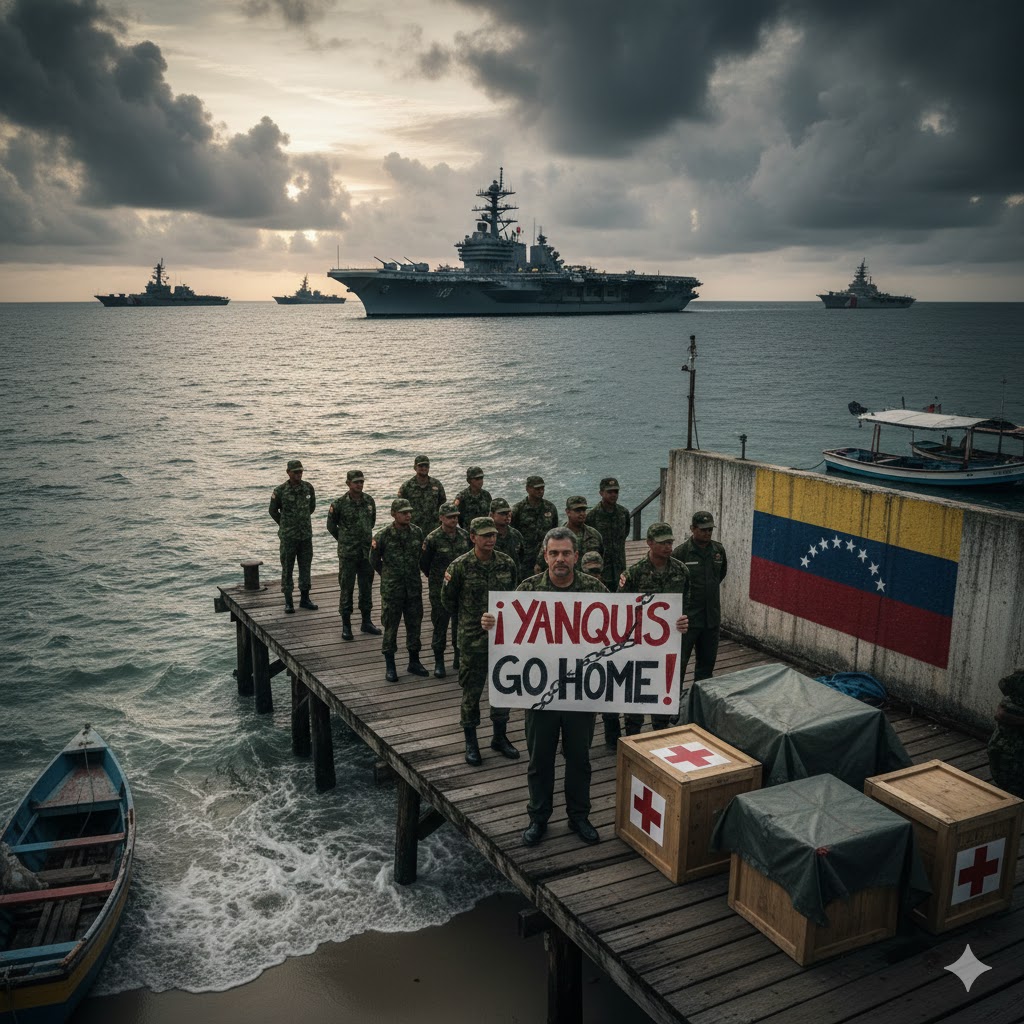
The most recent development under the Trump administration was the authorization of a naval blockade intended to prevent shipments of goods, especially oil and other resources, to Venezuela. The order called for the U.S. Navy and Coast Guard to intercept vessels suspected of violating sanctions or attempts to circumvent restrictions. This was framed as a necessary step to prevent the Maduro regime from obtaining resources that could be used to consolidate power and perpetuate repression.
From Washington’s perspective, the blockade was seen as a way to tighten the economic squeeze and increase pressure for a political transition. Naval deployments were reported near Venezuelan ports, signaling readiness to enforce the blockade. Though Trump officials insisted the measure focused on disrupting illicit shipments rather than total economic isolation, the message was clear—a show of force and zero tolerance for Maduro’s continued defiance.
Venezuela Denounces Trump’s Order for Ship Blockade as ‘Warmongering Threats’
In response, Venezuela’s government vehemently denounced the move. President Nicolás Maduro described the blockade as an act of aggression tantamount to an embargo that threatens the nation’s sovereignty and the welfare of its population. Venezuelan Foreign Minister Jorge Arreaza condemned the U.S. order as “warmongering threats” and illegally coercive, accusing Washington of seeking to provoke conflict that could spiral into military confrontation.
Officials argued that the blockade violates international law, including United Nations principles that forbid blockades without Security Council authorization. Caracas declared that Venezuela reserves the right to defend itself against any acts of aggression. The government appealed to allies, such as Russia, China, Cuba, and regional organizations, to oppose what it called U.S. imperialism and interventionism.
Legal and Humanitarian Implications of the Blockade
The United States’ tactic of using a naval blockade is controversial. Blockades are traditionally considered acts of war unless sanctioned by international bodies. Many legal experts have pointed out that this order risks breaching maritime and international law by effectively instituting an embargo without global consensus. The blockade could restrict vital humanitarian supplies alongside political goods, worsening Venezuela’s already desperate conditions.
The crisis in Venezuela involves severe shortages of medicine, food, and clean water, exacerbated by a collapsed economy and hyperinflation. Humanitarian groups warn that such blockades could harm millions of vulnerable Venezuelans. While the U.S. claims exemptions for humanitarian aid shipments, the practical effect of naval interdictions is likely to be broad and disruptive.
International Reactions and Diplomatic Fallout
The international community reacted with alarm and divided opinions. Several Latin American countries allied with the U.S. praised the blockade as part of necessary measures to isolate Maduro’s regime. Meanwhile, many global powers expressed concern. Russia and China condemned the blockade and reaffirmed support for Maduro, calling for peaceful dialogue and opposing any form of economic warfare.
The United Nations and regional organizations, including the Organization of American States (OAS), urged de-escalation and peaceful negotiations. The blockade has further polarized regional politics, fueling tensions within Latin America about the best approach to dealing with Venezuela’s crisis. Allies of Maduro used the situation as proof of U.S. aggressive intentions, while opposition groups within Venezuela remain divided on the blockade’s impact.
The Broader Context of U.S.-Venezuela Relations Under Trump
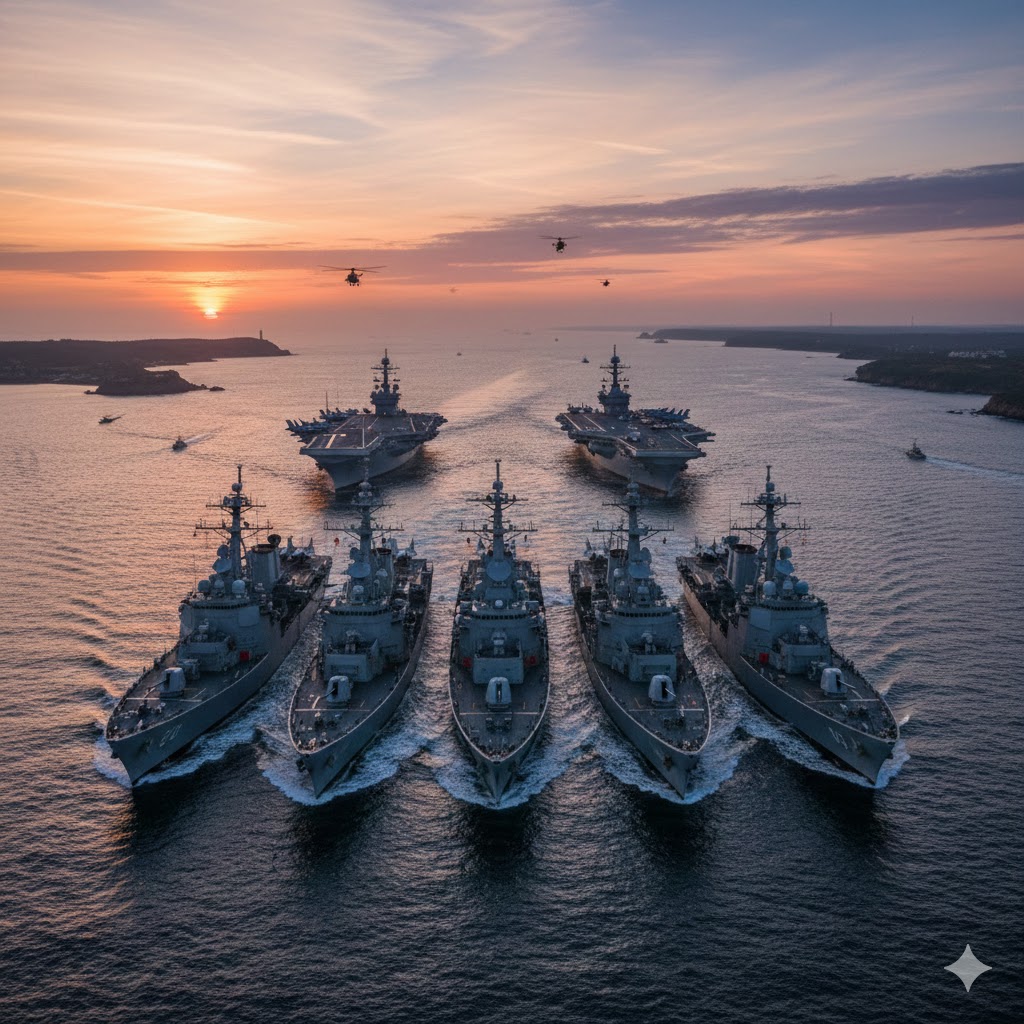
This naval blockade represents the peak of a series of aggressive policies adopted by the Trump administration. Beyond sanctions and diplomatic isolation, the Trump White House considered various options including military intervention, covert support for opposition groups, and economic pressure campaigns. The blockade showed a willingness to adopt more direct confrontational measures.
Yet, there has been significant international skepticism about the efficacy and morality of such strategies. While the blockade aims to weaken Maduro’s hold on power, it risks consolidating nationalist support around him and alienating the Venezuelan population. The Trump administration’s hardline approach contrasts with calls from some quarters for increased humanitarian aid and dialogue.
What Comes Next? Prospects for De-escalation or Conflict
Looking ahead, the Venezuela denounces Trump’s order for ship blockade as “warmongering threats” signals that Caracas is unlikely to back down. The blockade could provoke clashes at sea or further deteriorate diplomatic channels. It may also embolden Maduro’s rhetoric to portray Venezuela as a victim of imperialist aggression.
Diplomatic efforts will need to intensify to find a path out of the impasse. Neutral mediators, confidence-building measures, and humanitarian corridors might gain urgency as the risks of escalation grow. For the U.S., balancing pressure to restore democracy with avoiding unintended humanitarian harm is a delicate challenge.
Meanwhile, Venezuelans continue to bear the brunt of these geopolitical struggles, hoping for relief and stability amid mounting hardships. The saga underscores the complexity of resolving international conflicts where sovereignty, human rights, and political legitimacy collide.
In conclusion, Venezuela’s denunciation of the U.S. naval blockade under the Trump administration as “warmongering threats” illustrates how the conflict between the two countries has intensified dangerously. The legal, humanitarian, and diplomatic consequences of the blockade extend beyond immediate geopolitical tactics, impacting millions of lives and setting the stage for continued confrontation. Only through sustained dialogue and internationally supported solutions can there be hope for peace and recovery in Venezuela.