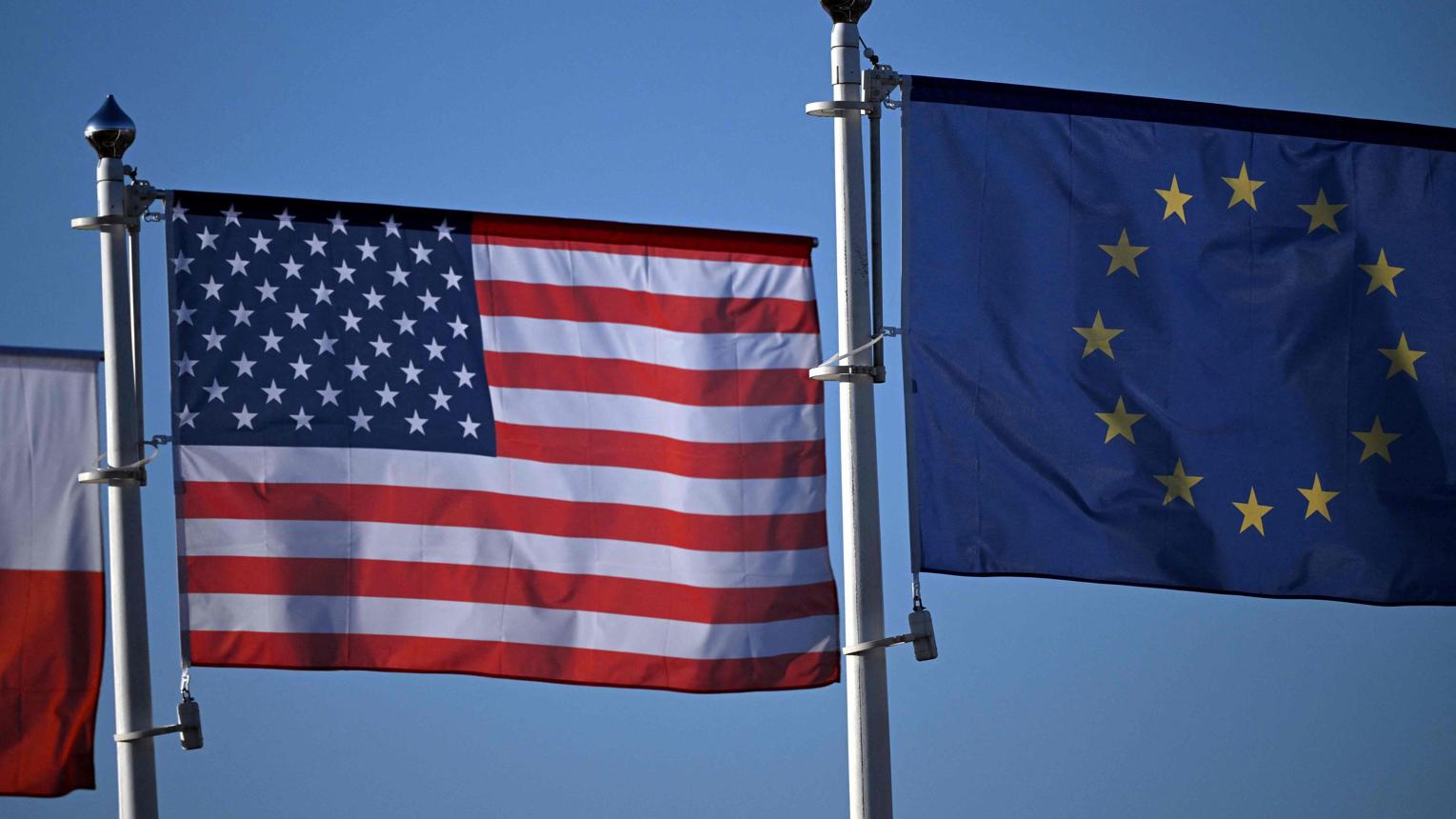
Washington, D.C., United States, 26 November – Brussels Morning Newspaper – The United States has proposed new tariffs on imports from China, the European Union and 12 other major trading partners, escalating international trade tensions and raising fresh concerns about the future of global commerce. Announced on 25 November by the Office of the United States Trade Representative (USTR), the proposed measures target what Washington describes as structural excess manufacturing capacity and industrial policies that disadvantage American businesses.
- Washington targets 14 trading partners over manufacturing capacity
- Proposed tariff rates vary across countries
- Brussels rejects Washington’s allegations
- The 15% EU-US tariff agreement faces another test
- China disputes the US claims as trade tensions continue
- Why the proposed tariffs matter for the global economy
- What happens next?
The proposals cover 14 economies, including the EU, China, Japan, India, South Korea, Switzerland and several Southeast Asian countries. The proposed tariff rates range from 15% to 35%, with Vietnam facing the highest proposed rate. China could face tariffs of up to 20%, while the European Union has been assigned a proposed rate of 15%.
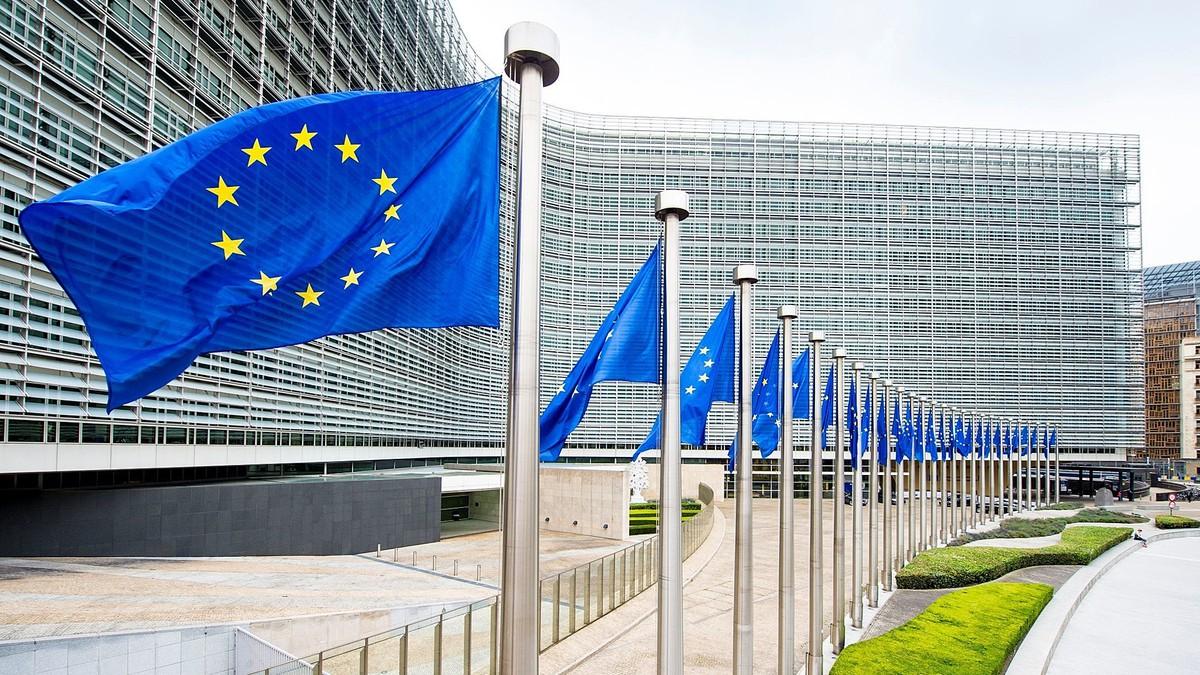
The announcement has prompted concern in Brussels, where the European Commission has rejected the suggestion that European industrial policies are contributing to global manufacturing overcapacity.
However, the measures are not yet in force. They remain subject to a public consultation process and further hearings in the United States.
Washington targets 14 trading partners over manufacturing capacity
The new proposals follow an investigation launched by the USTR on 11 March 2026 under Section 301 of the Trade Act of 1974.
The investigation examined whether industrial policies, government support and manufacturing practices in 16 economies were creating structural excess capacity and restricting American commercial interests.
Following its investigation, US Trade Representative Jamieson Greer determined on 25 November that the practices of 14 economies were unreasonable and burdened or restricted US commerce.
The economies targeted are:
-
China
-
European Union
-
India
-
Japan
-
South Korea
-
Switzerland
-
Taiwan
-
Singapore
-
Bangladesh
-
Cambodia
-
Indonesia
-
Malaysia
-
Thailand
-
Vietnam
Mexico and Norway were also included in the original investigation, but Washington has not made determinations against either country at this stage.
According to the USTR, the industrial policies under investigation include manufacturing incentives, financial support, export promotion strategies and other practices that Washington believes contribute to production exceeding market demand.
Greer argued that such policies have weakened the competitive position of American manufacturers.
“For decades, many of our trading partners have adopted industrial strategies built on targeting manufacturing, wage and labor suppression, financial and other support, non-market economy inputs, and other market distorting practices that tilt the trade balance in their favor while eroding America’s manufacturing base,” he said.
The administration maintains that additional trade measures are necessary to address these concerns and protect US manufacturing.
Proposed tariff rates vary across countries
The proposed tariffs differ considerably depending on the economy concerned.
Vietnam faces the highest proposed rate, while China and Singapore could face duties of up to 20%. The European Union, Japan, South Korea, Switzerland and Taiwan are subject to proposals of up to 15%.
The proposed rates are outlined below.
| Economy | Proposed tariff |
|---|---|
| Vietnam | Up to 35% |
| India | Up to 25% |
| China | Up to 20% |
| Singapore | Up to 20% |
| Bangladesh | Up to 18% |
| Cambodia | Up to 18% |
| Indonesia | Up to 18% |
| Malaysia | Up to 18% |
| Thailand | Up to 18% |
| European Union | 15% |
| Japan | Up to 15% |
| South Korea | Up to 15% |
| Switzerland | Up to 15% |
| Taiwan | Up to 15% |
These are proposed rates, not a schedule of tariffs already being collected. Certain products are also eligible for exemptions, and the final arrangements may differ following consultations.
The US administration has indicated that some countries could receive lower rates if they reach or fulfil relevant trade agreements with Washington.
For example, India could receive a rate of 17% under a qualifying reciprocal trade agreement, while Vietnam could see its proposed rate reduced to 20%. Singapore could also receive a lower rate of 10% under the relevant conditions.
Brussels rejects Washington’s allegations
The European Union’s inclusion in the investigation is particularly significant because the bloc and the United States have already negotiated a trade framework intended to establish greater predictability in their economic relationship.
The European Commission has strongly rejected the suggestion that Europe is a source of structural manufacturing overcapacity.
Speaking on behalf of the Commission, deputy chief spokesperson Olof Gill said the EU would examine the American findings but disputed their central premise.
“We will study the findings. At the same time we strongly reject the premise that Europe is a source of structural overcapacity. To the contrary, Europe is among those most exposed to overcapacity,” Gill said.
The Commission also expressed regret that Washington and Brussels had not developed a joint response to the wider problem of global manufacturing overcapacity.
European officials argue that the issue is particularly serious for European manufacturers because of the competitive pressures created by excess production in other parts of the world.
The EU has also stressed that it shares concerns with Washington about global industrial overcapacity, particularly where government intervention distorts competition.
Brussels wants continued discussions with the Trump administration and has indicated that it is prepared to explore additional product exemptions, tariff reductions and other areas of economic cooperation.
The Commission has also made clear that the new US measures must respect the existing EU-US trade agreement.
The 15% EU-US tariff agreement faces another test
One of the most important questions for European exporters concerns the 15% tariff ceiling established under the existing EU-US trade framework.
The European Commission expects the proposed Section 301 measures to remain within that agreed limit, including when combined with existing duties.
The USTR’s proposal specifically identifies a 15% tariff rate for EU goods, calculated net of most-favoured-nation duties and existing Section 301 tariffs, with exemptions for certain products.
The American notice also recognises existing commitments under the US-EU Framework Agreement on Reciprocal, Fair and Balanced Trade.
However, the EU notice contains an alternative provision allowing the US Trade Representative to consider tariffs of up to 20% if ongoing consultations and existing commitments are considered unsatisfactory.
This creates an additional source of uncertainty for European businesses, particularly manufacturers whose exports depend heavily on access to the American market.
Industries such as automotive manufacturing, chemicals and pharmaceuticals are among the sectors specifically identified in the American investigation.
For companies operating across the Atlantic, the eventual treatment of individual products could prove just as important as the headline tariff rate.
China disputes the US claims as trade tensions continue
China is facing one of the most closely watched parts of the proposed tariff package.
Washington argues that Chinese industrial policies have contributed to manufacturing overcapacity, allowing large volumes of relatively inexpensive goods to enter international markets and intensifying competition for American producers.
Beijing has rejected that interpretation.
Chinese Foreign Ministry spokesperson Guo Jiakun described the overcapacity argument as a “false premise” and warned against using tariffs as a political instrument.
“Tariff wars and trade wars serve no one’s interests,” he said.
The latest proposal comes amid continuing efforts by Washington and Beijing to stabilise their economic relationship.
The two countries have extended their existing trade truce by two months, with the agreement due to expire on 10 January 2027. They have also agreed to tariff reductions on reciprocal lists of non-sensitive products valued at approximately $60 billion.
This creates a complicated situation for both governments: negotiations are continuing, but the threat of additional trade restrictions remains.
The American administration says the new measures are intended to address manufacturing practices rather than abandon ongoing negotiations.
Why the proposed tariffs matter for the global economy
The implications extend well beyond Washington, Brussels and Beijing.
The 14 targeted economies represent a substantial share of international manufacturing and global economic activity. Changes in their access to the American market could affect international supply chains, investment decisions and trade relationships.
For European companies, uncertainty surrounding US import duties could influence export planning, production costs and decisions about where to manufacture goods.
Belgium also has an important stake in the development.
As an EU member state with an internationally connected economy, Belgium is exposed to changes in transatlantic trade conditions. Companies involved in international manufacturing, chemicals, pharmaceuticals, logistics and distribution could be affected by changes in US-EU trade arrangements.
The port of Antwerp-Bruges is particularly relevant to the country’s international trading position, connecting European industries with global shipping and supply chains.
For American consumers, tariffs could also have consequences. Import duties can increase the cost of products entering the US market, potentially affecting prices paid by businesses and households.
Economists have already warned that the wider US tariff environment could keep goods inflation elevated.
The final impact, however, will depend on the products covered, the exemptions granted and whether businesses absorb the additional costs or pass them on to customers.
What happens next?
The proposed tariffs must go through further consultation before the United States can finalise its approach.
According to the USTR’s published timetable, interested parties have until 5 January 2027 to submit written comments and requests to participate in the hearings.
Public hearings are scheduled to begin on 25 January 2027 at the US International Trade Commission in Washington.
The consultation process will give affected governments, companies and other interested parties an opportunity to challenge the findings and present arguments concerning the proposed measures.
For Brussels, the immediate priority will be ensuring that the existing EU-US trade commitments are respected while seeking to avoid further disruption to transatlantic commercial relations.
The European Commission is expected to continue engaging with Washington over the implementation of the bilateral framework.
The EU’s Foreign Affairs Council is also scheduled to meet US Trade Representative Jamieson Greer on 30 November, providing another opportunity for discussions on trade-related issues.
Until the consultation process is completed and a final decision is announced, the proposed tariffs remain uncertain.
For European businesses and international trading partners, the coming weeks will therefore be important in determining whether the latest US initiative becomes another source of trade confrontation or an opportunity for further negotiations.