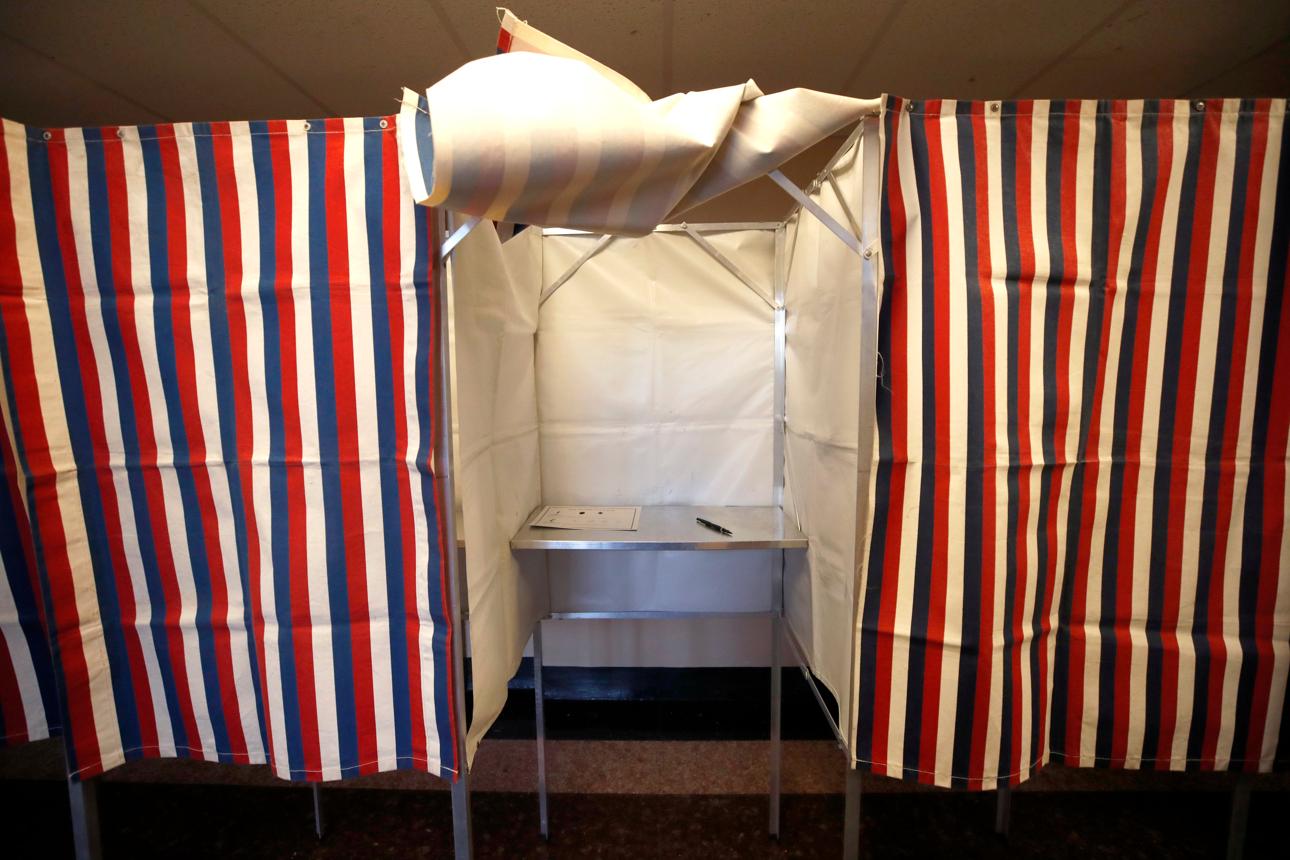
Washington, DC, 29 October, (Brussels Morning Newspaper) – The US midterm elections are approaching their final days as Republicans and Democrats compete for control of Congress ahead of the nationwide vote on 3 November. The result will shape the political direction of the United States during the remaining two years of President Donald Trump’s second term.
Both parties are focusing their final campaign efforts on competitive congressional districts and Senate races, where relatively narrow margins could determine which party controls the legislative agenda in Washington.
The election will also test public support for the administration’s economic, immigration and domestic policies.
Crucial Congressional Races Could Shift Political Power
All 435 seats in the House of Representatives are being contested, alongside 35 Senate elections, including two special elections.
Republicans currently control both chambers, but their narrow House advantage leaves them vulnerable to Democratic gains.
According to Ballotpedia, Democrats need a net gain of four Senate seats to secure a majority. The organisation has identified 46 competitive House districts and 12 Senate battlegrounds.
Ohio and Georgia are attracting particular attention. Reuters reported on 28 October that Trump and former President Barack Obama were campaigning in the two states as both parties sought to strengthen support ahead of polling day.
Early Voting Shows Strong Voter Engagement
Early voting figures indicate considerable public interest in the congressional contests.
An Associated Press analysis found that early participation had increased substantially compared with the equivalent period in 2022 in several states, including Texas, Kansas and Maine.
However, election analysts caution that early turnout figures cannot reliably predict the final result, particularly where voting arrangements have changed.
The economy remains a major campaign issue. Rising living costs, fuel prices and disagreements over federal policy have become central to arguments about the administration’s performance.
Trump and Democrats Intensify Final Campaign Efforts
President Trump is relying on campaign appearances and Republican mobilisation to defend his party’s congressional majorities.
The Associated Press reported on 28 October that the president’s campaign strategy places considerable emphasis on his personal political appeal, even as economic concerns present challenges for Republican candidates.
Democrats, meanwhile, are seeking to turn dissatisfaction with the administration into congressional gains.
Why the Election Matters Beyond Washington
The results will influence federal spending, taxation, immigration legislation and congressional oversight.
A Democratic majority in either chamber could make it harder for the White House to advance its legislative priorities. Continued Republican control would provide the administration with a stronger position in Congress.
The outcome also matters internationally, particularly for European governments monitoring American trade policy, security commitments and relations with NATO allies.
What Happens Next Before Election Day?
The Federal Election Commission confirms that the general election will take place on Tuesday, 3 November 2026.
State and local election authorities will oversee polling arrangements, ballot counting and certification procedures.
Election and voting information
The newly elected Congress is scheduled to begin its term on 3 January 2027.
With only days remaining, both parties face a decisive test of voter support that will determine the balance of political power in Washington for the next two years.