
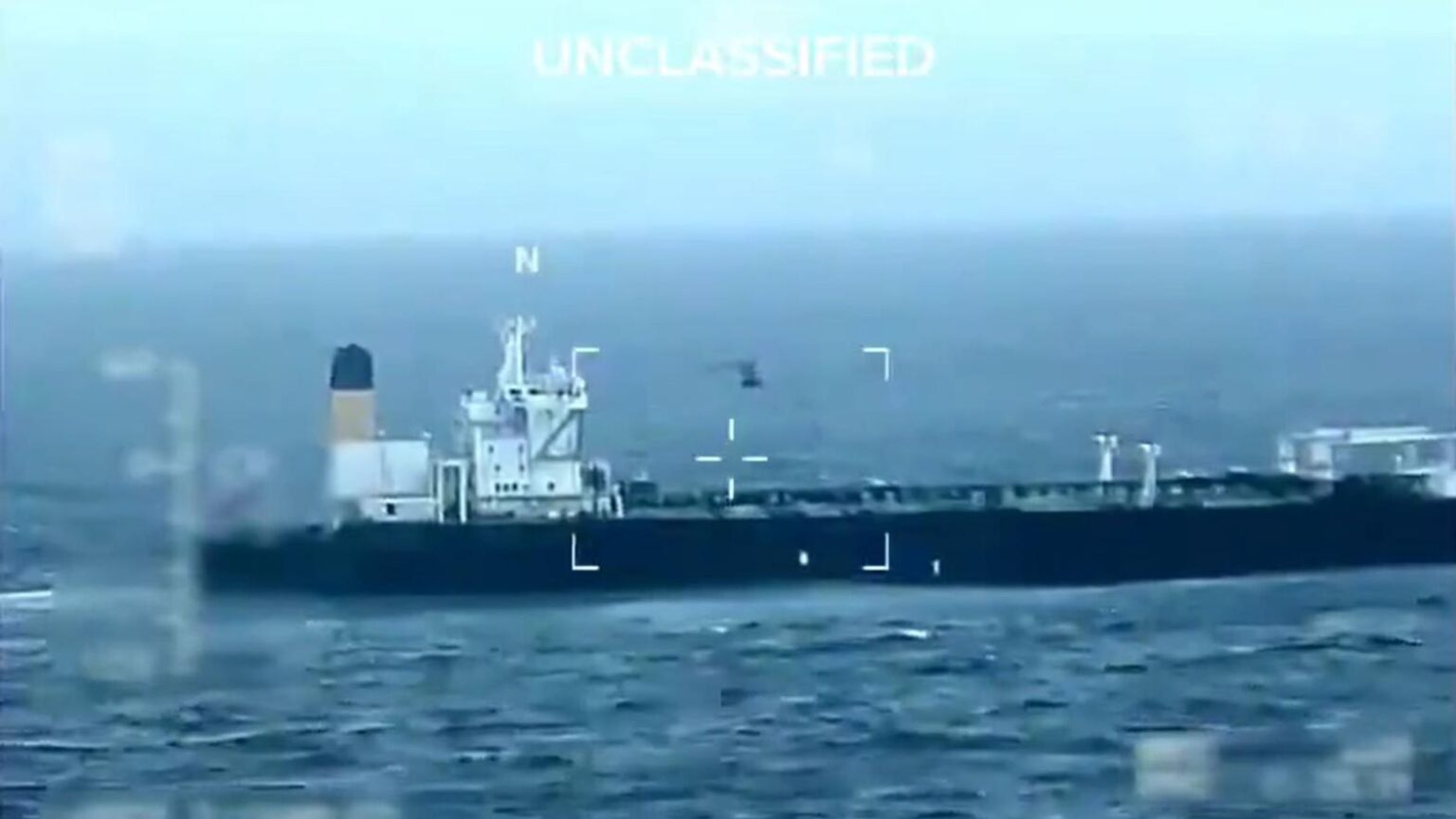
In 2026, Washington DC, a high-profile maritime incident has triggered diplomatic tension between major powers after Russia accused the United States of breaching US maritime law during the seizure of a Venezuela-linked oil tanker. According to reporting by Brussels Morning Newspaper, the incident unfolded in international waters and has since sparked intense debate over sanctions enforcement, freedom of navigation, and the limits of maritime jurisdiction. The case has drawn global attention as governments and legal experts assess whether the actions taken align with established maritime norms.
The unfolding dispute places US maritime law at the center of an international conversation about how far national authority can extend beyond territorial waters.
Background to the Tanker Incident
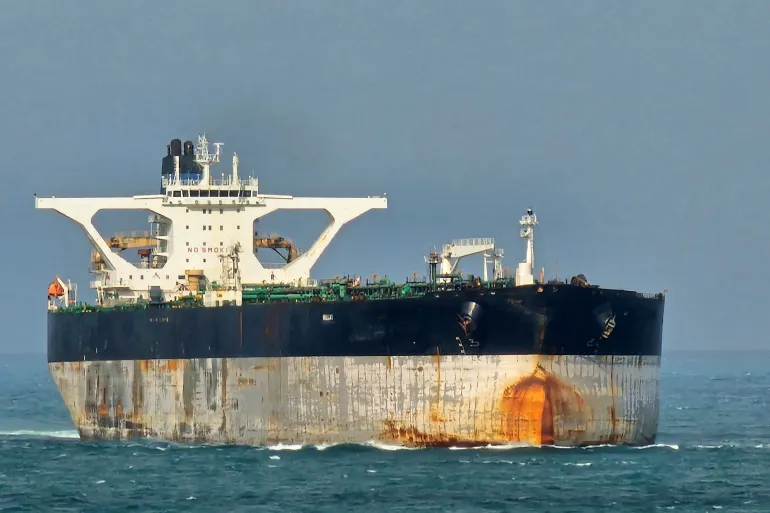
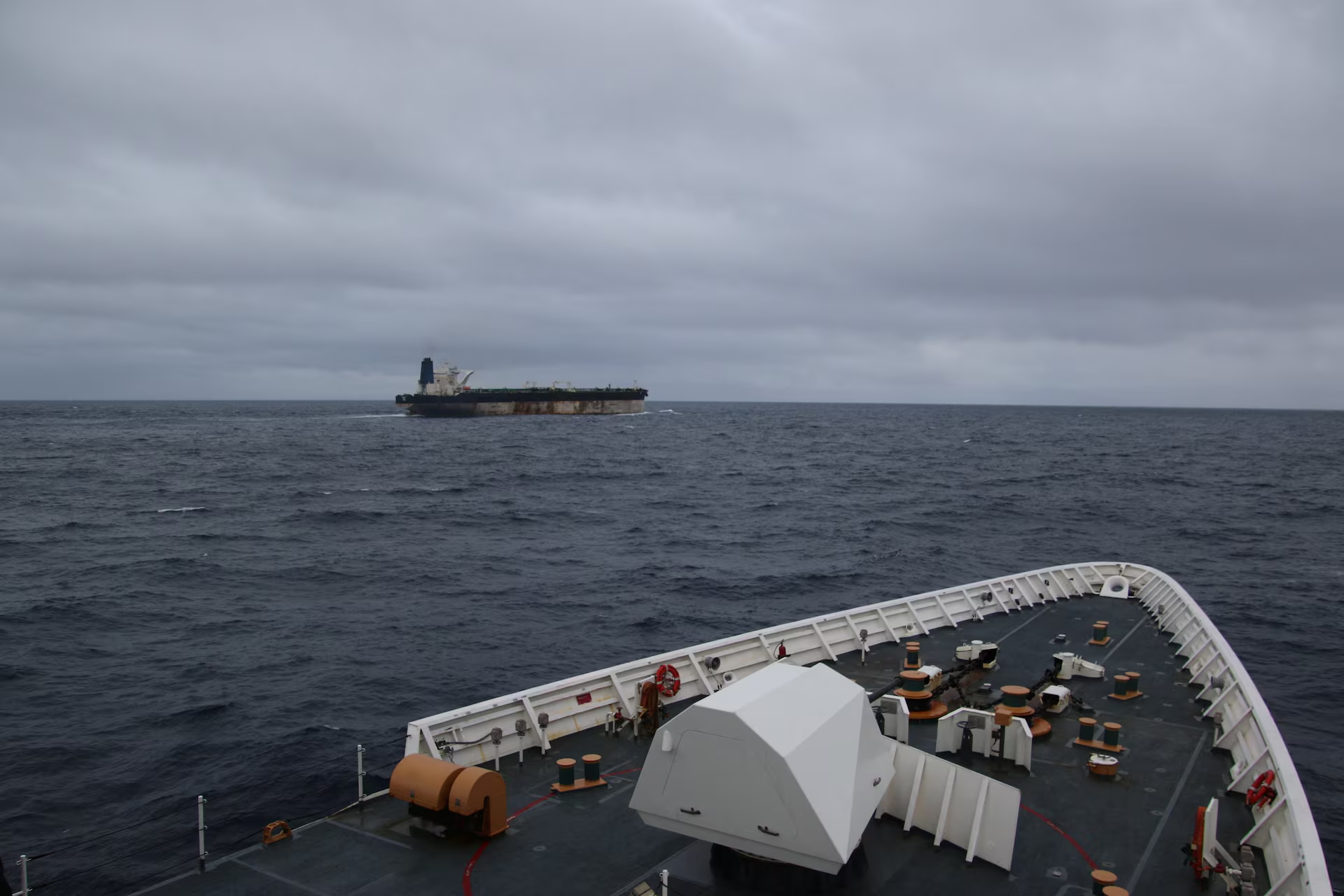
The seized vessel was reportedly transporting crude oil connected to Venezuela, a country under extensive US sanctions. American authorities argue that the tanker was part of a network designed to bypass restrictions through complex ownership structures and flag changes. The operation, involving the US Coast Guard and judicial authorization, was described as a lawful enforcement action under US maritime law.
Russian officials, however, dispute this interpretation, insisting the tanker was lawfully registered and operating in international waters, where freedom of navigation is protected under international conventions.
Russia’s Formal and Diplomatic Response
Moscow reacted swiftly, issuing a formal protest and demanding clarification from Washington. Russian officials claimed the seizure constituted an unlawful act and warned that such actions undermine global maritime stability. In statements released to international media, Russia framed the issue as a dangerous precedent that could erode trust in established legal frameworks governing the seas.
The Russian position argues that US maritime law cannot supersede international agreements without multilateral consent, particularly when vessels are operating outside US territorial jurisdiction.
The US Government’s Position
Washington has defended its actions by pointing to court-issued warrants and national security considerations. Officials argue that sanctions enforcement is a legal obligation and that vessels facilitating prohibited trade are subject to interception, regardless of location, when supported by judicial authority.
US officials maintain that US maritime law allows for such actions when there is evidence of sanctions evasion, emphasizing that the operation was conducted with care to ensure crew safety and minimal disruption to shipping lanes.
Legal Debate Over Jurisdiction
At the heart of the controversy lies a complex legal debate. International maritime law traditionally limits the circumstances under which a state may board or seize a foreign vessel on the high seas. Exceptions include piracy, stateless vessels, or explicit international mandates.
Legal scholars note that the tanker case tests the boundaries between international law and US maritime law, particularly in an era where sanctions regimes increasingly intersect with global trade and shipping.
Role of Sanctions in Modern Maritime Enforcement
Sanctions have become a central tool of foreign policy, reshaping how maritime enforcement is conducted. The United States has expanded monitoring of shipping routes to track vessels suspected of transporting sanctioned goods.
Supporters argue that robust enforcement under US maritime law is necessary to maintain the credibility of sanctions, while critics warn that unilateral actions risk fragmenting the international legal order governing the seas.
Impact on Venezuela’s Oil Exports
The seizure also highlights the challenges facing Venezuela’s oil sector, which has relied on indirect shipping routes to maintain exports. Analysts say increased enforcement efforts have forced operators to adopt riskier strategies, including frequent reflagging and opaque ownership structures.
Such practices have drawn scrutiny from authorities enforcing US maritime law, increasing the likelihood of future interdictions and legal disputes.
International Reaction and Allied Responses
Global reaction to the incident has been mixed. Some US allies have expressed cautious support for sanctions enforcement, while others have urged restraint and respect for international norms. Maritime nations dependent on free navigation worry that escalating disputes could disrupt global trade.
Observers note that disagreements over US maritime law enforcement could influence future cooperation on naval operations and sanctions compliance.
Economic and Shipping Industry Implications
Beyond diplomacy, the tanker seizure has practical implications for the shipping industry. Insurance premiums for vessels operating near sanction-sensitive routes may rise, and operators could face increased scrutiny from regulators.
Industry analysts warn that uncertainty surrounding US maritime law enforcement may prompt shipping companies to reconsider routes or demand higher compensation for risk exposure.
Security Concerns and Naval Operations
Maritime security experts point out that increased enforcement activity raises the risk of miscalculation at sea. Encounters between naval forces, coast guards, and commercial vessels require careful coordination to avoid escalation.
The tanker case underscores how US maritime law enforcement intersects with broader security dynamics, particularly in strategically important shipping corridors.
A Single Quote From the Dispute
“No country should unilaterally impose its laws on the high seas without international agreement,”
A Russian foreign ministry spokesperson said, reflecting Moscow’s position on the tanker seizure.
Possible Legal Pathways Forward
Legal experts suggest several avenues for resolving the dispute, including diplomatic negotiations, arbitration, or review by international maritime tribunals. Such processes could help clarify how national sanctions regimes interact with global maritime conventions.
Any ruling or settlement involving US maritime law would likely influence how future cases are handled, shaping enforcement practices worldwide.
Broader Implications for Global Maritime Governance
The incident arrives at a time when maritime governance faces growing strain from geopolitical rivalry, sanctions, and contested waters. As states assert their interests more aggressively, the balance between national authority and international cooperation becomes increasingly fragile.
Debates surrounding US maritime law enforcement reflect these broader tensions and highlight the need for updated frameworks that address modern realities without undermining long-standing principles.
Monitoring Developments and Next Steps
Diplomatic channels remain active as both sides seek to manage the fallout. Analysts expect continued dialogue, though positions remain firmly opposed. The outcome may depend on whether compromise can be found without either side appearing to retreat from core principles.
International observers are watching closely, aware that interpretations of US maritime law in this case could resonate far beyond a single tanker.
Looking Ahead in a Changing Maritime Order
As global trade and geopolitics evolve, incidents like this tanker seizure illustrate the growing complexity of maritime enforcement. Balancing sanctions, security, and legal norms will remain a challenge for policymakers.
How the current dispute is resolved may shape the future application of US maritime law and influence how nations navigate the delicate intersection of sovereignty and shared global spaces.
Beyond the Horizon of Maritime Disputes
The tanker seizure dispute represents more than a bilateral disagreement. It signals a turning point in how maritime law is interpreted and enforced in an era of heightened geopolitical tension. Whether cooperation or confrontation prevails will help define the future stability of international waters and the legal principles that govern them.