
US in charge of Venezuela is how a prominent ally of former President Donald Trump described Washington’s role in the South American nation, according to remarks highlighted by Brussels Morning Newspaper. The comments, delivered during a political discussion on U.S. foreign policy, have reignited debate over sovereignty, intervention, and the extent of American influence in Latin America at a time when Venezuela’s crisis continues to reverberate across the hemisphere.
The statement immediately drew attention because of its blunt language, cutting through years of carefully calibrated diplomatic phrasing. It arrives amid renewed scrutiny of U.S. policy toward Venezuela, where economic collapse, political division, and mass migration remain unresolved.
A Statement That Reignited a Longstanding Debate
The remarks from the Trump ally did not introduce a new policy, but they did reframe an existing one. For years, Washington has exerted pressure on Caracas through sanctions, diplomatic isolation, and support for opposition movements. What made the comments controversial was the explicit framing that suggested control rather than influence.
For critics, such language reinforces fears of external domination. For supporters, it represents honesty about geopolitical realities that have existed for years.
Why the Language Matters in Diplomacy
Diplomatic language is rarely accidental. Words are chosen to balance intent, perception, and consequence. When a political figure asserts that the US in charge of Venezuela, it shifts the narrative from partnership or support to authority.
This distinction matters deeply in Latin America, where historical experiences with foreign intervention have shaped political culture and public opinion. Even symbolic language can affect trust, cooperation, and regional alignment.
Venezuela’s Crisis as the Backdrop
Venezuela’s ongoing crisis provides the context that makes such statements resonate. Years of economic mismanagement, hyperinflation, and institutional breakdown have driven millions to leave the country, creating one of the largest displacement crises in the world.
In this environment, assertions that the US in charge of Venezuela can be interpreted in two conflicting ways: as a stabilizing force stepping in where the state has failed, or as an external power exploiting weakness.
The Trump Era Legacy on Venezuela Policy
During the Trump administration, Venezuela policy was defined by maximum pressure. Sanctions targeted the oil sector, financial institutions, and senior officials. The administration also recognized an opposition government and encouraged international isolation of Caracas.
The Trump ally’s comments reflect continuity with that approach, suggesting that Washington’s leverage remains decisive regardless of changes in administration. For supporters of the policy, acknowledging that leverage reinforces deterrence. For critics, it signals an unwillingness to reassess strategy.
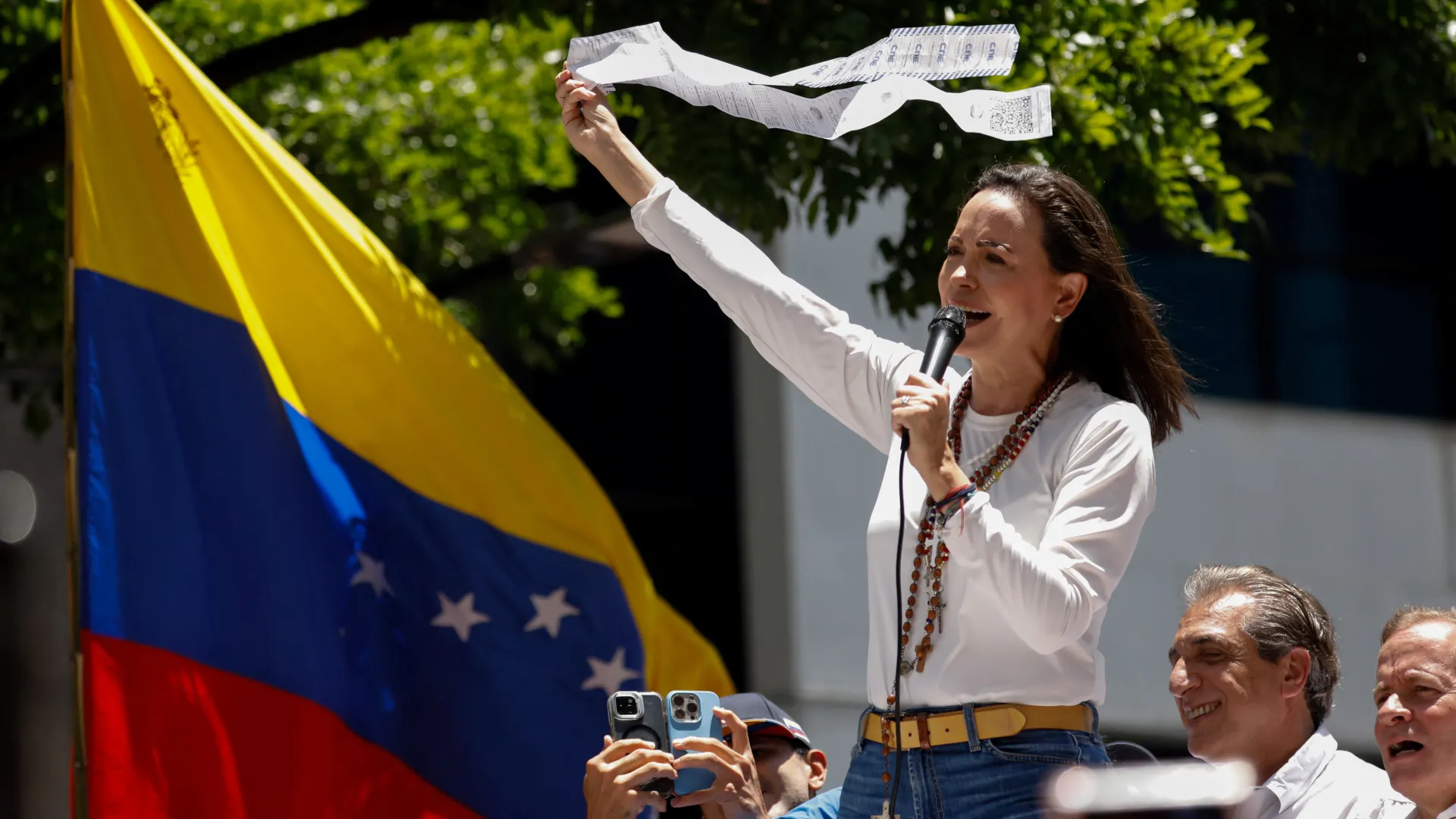
Domestic Political Reaction in the United States
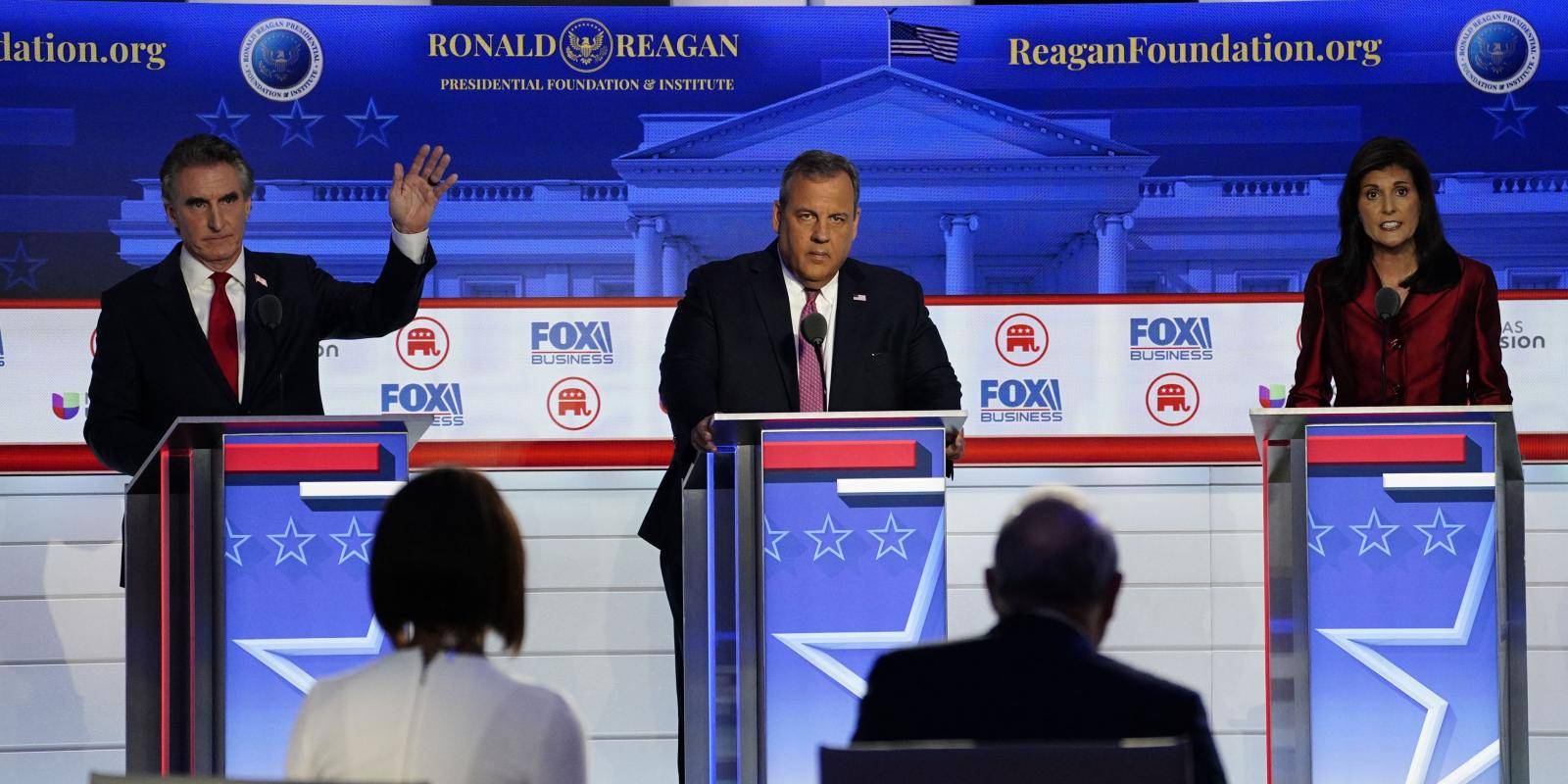
Reaction inside the United States was swift and polarized. Conservative commentators praised the remarks as refreshingly direct, arguing that pretending the United States lacks influence only weakens its position.
Opponents countered that openly claiming the US in charge of Venezuela undermines international law and complicates relations with allies who favor multilateral engagement. The debate mirrors broader divisions over America’s global role.
International Response and Regional Sensitivities
Across Latin America, reactions were more cautious. Governments in the region have long emphasized principles of sovereignty and non-intervention, even while cooperating with Washington on security and economic issues.
Statements implying control risk reinforcing narratives of U.S. dominance, potentially strengthening anti-American sentiment and complicating regional diplomacy.
Strategic Interests Behind the Rhetoric
Beyond ideology, strategic interests underpin U.S. engagement with Venezuela. The country holds vast oil reserves, sits at a key geopolitical crossroads, and influences regional migration patterns.
Some analysts argue that language suggesting the US in charge of Venezuela reflects these strategic calculations more than political bravado. Energy security, regional stability, and competition with global rivals all factor into Washington’s approach.
Energy, Sanctions, and Economic Leverage
Sanctions on Venezuela’s oil sector have been central to U.S. policy. They reduced state revenue but also contributed to economic hardship for ordinary citizens. Recent discussions about limited engagement with energy firms underscore the complexity of balancing pressure with pragmatism.
In this context, assertions of authority highlight how economic tools function as instruments of influence, shaping outcomes without direct governance.
Critics Warn of Long-Term Consequences
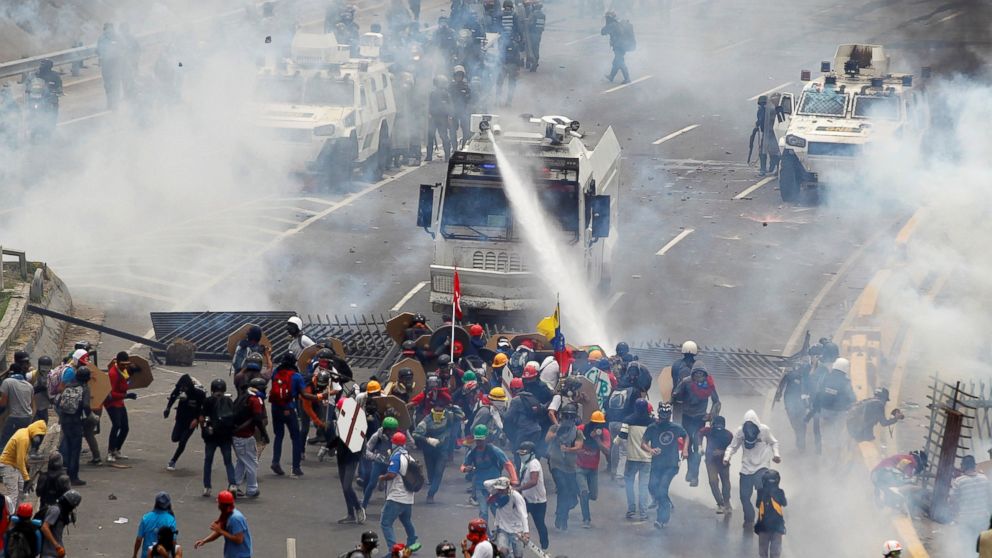
Critics of the rhetoric argue that claiming control may harden resistance inside Venezuela and among its allies. They warn that such statements can be used by the government in Caracas to rally nationalist sentiment and justify repression.
From this perspective, declaring the US in charge of Venezuela risks entrenching the very dynamics Washington seeks to change.
Humanitarian Dimensions Often Overlooked
Lost in the political debate are the humanitarian consequences of prolonged crisis. Millions of Venezuelans struggle with food insecurity, limited healthcare, and disrupted education.
Advocates argue that language emphasizing control rather than cooperation detracts from the need for humanitarian solutions and international coordination focused on relief rather than leverage.
The Role of Multilateral Institutions
International organizations and regional blocs have played varying roles in addressing Venezuela’s crisis. Efforts at mediation, humanitarian aid, and election monitoring have had mixed success.
Assertions of unilateral authority complicate these efforts, potentially discouraging multilateral engagement that could distribute responsibility and legitimacy.
One Quote That Captured the Moment
“We are involved because the collapse of Venezuela affects the entire hemisphere, and pretending otherwise would be dishonest,” the Trump ally said.
Public Opinion Beyond Washington
Public opinion in Latin America is not monolithic. While some communities welcome strong external pressure on Caracas, others remain deeply skeptical of U.S. intentions.
Statements that the US in charge of Venezuela can reinforce existing divisions, shaping how future initiatives are received across the region.
Media Framing and Narrative Power
Media coverage amplifies the impact of political language. Headlines emphasizing control draw attention and controversy, often overshadowing nuanced policy details.
In the age of social media, such phrases spread rapidly, shaping perception long before official clarifications can temper interpretation.
Policy Implications for 2026 and Beyond
Whether rhetorical or strategic, such statements influence policy debates. Lawmakers, diplomats, and allies must respond to the narrative as much as the policy itself.
As discussions continue, the idea that the US in charge of Venezuela will likely remain a flashpoint in debates over intervention, sovereignty, and global leadership.
Comparing Past Interventions
Historical comparisons inevitably arise. U.S. involvement in Latin America has left a complex legacy, with periods of cooperation and conflict shaping regional memory.
Against this backdrop, language implying authority carries historical weight that extends beyond immediate policy considerations.
Balancing Power and Responsibility
At the heart of the debate lies a fundamental question: how should power be exercised responsibly? Influence can stabilize or destabilize depending on how it is wielded and perceived.
Acknowledging influence without claiming control may offer a more sustainable path for engagement.
Diplomatic Flexibility Versus Political Messaging
Political messaging often prioritizes domestic audiences, while diplomacy requires flexibility. Statements aimed at energizing supporters can complicate behind-the-scenes negotiations.
This tension is evident in the reaction to claims that the US in charge of Venezuela, highlighting the challenge of aligning rhetoric with strategy.
The Global Context of Great-Power Competition
Venezuela’s crisis also intersects with broader global competition. External actors have sought influence in the country, adding another layer to U.S. calculations.
In this context, assertive language may be intended as a signal not only to Caracas, but to rival powers assessing Washington’s resolve.
Migration as a Regional Pressure Point
The mass migration of Venezuelans has reshaped politics across the Americas. Host countries face economic and social pressures, while migrants navigate uncertain futures.
How Washington frames its role affects cooperation on migration management and humanitarian assistance.
Lessons for Future Policy
The controversy underscores the importance of strategic communication. Policy effectiveness depends not only on actions, but on how those actions are described and understood.
Careful framing can preserve leverage while minimizing backlash.
When Rhetoric Becomes Policy Reality
Over time, repeated language can harden into perceived policy, even if official positions remain unchanged. Managing this dynamic is a central challenge for policymakers.
The reaction to claims that the US in charge of Venezuela illustrates how rhetoric can shape expectations and constrain future options.
A Debate That Reflects America’s Global Dilemma
Ultimately, the controversy reflects a broader dilemma facing the United States: how to balance leadership with restraint in a world skeptical of unilateral power.
Venezuela serves as a case study in that tension.
Power Acknowledged, Consequences Debated
Acknowledging influence may be realistic, but asserting control carries consequences. Navigating that distinction will shape the effectiveness and legitimacy of future engagement.
As debate continues, policymakers must weigh the costs of clarity against the risks of perception.
When Words Define the Direction of Policy
Language often precedes action. How leaders describe America’s role can influence allies, adversaries, and domestic audiences alike.
In 2026, the fallout from claims that the US in charge of Venezuela may prove as significant as any formal policy shift.
Growing Debate Over Who Holds Real Authority
As international attention returns to Caracas, the claim that the US in charge of Venezuela has intensified debate among analysts who question where real authority currently lies. While formal sovereignty remains with Venezuelan institutions, years of sanctions, diplomatic pressure, and external negotiations have reshaped how power is exercised in practice. Critics argue that such influence blurs the line between assistance and control, while supporters insist it reflects unavoidable geopolitical reality rather than deliberate domination.
Perception of Power Shapes Diplomatic Outcomes
Perception often matters as much as policy in international relations, and statements suggesting the US in charge of Venezuela have consequences that extend beyond rhetoric. Diplomats note that language implying control can influence negotiations, harden resistance, or shift expectations among allies and adversaries alike. Even without formal authority, repeated assertions of dominance can shape global narratives and affect how future engagement efforts are received.
A Final Reflection on Influence and Responsibility
Influence without legitimacy is fragile. Authority without consent breeds resistance.
As Washington reassesses its approach, the challenge will be to translate power into outcomes that promote stability, dignity, and long-term resolution rather than prolonged confrontation.