Brussels Morning diplomatic discussions have once again placed US foreign policy Venezuela US at the center of international attention. Recent statements from senior US leadership suggest that Venezuela’s government was presented with several opportunities to avoid further escalation. These so called off ramps were intended to reduce tensions stabilize the region and prevent deeper political and economic fallout.
The renewed focus on US foreign policy Venezuela US highlights how diplomatic strategy and leadership decisions intersect during moments of crisis. As global observers evaluate responsibility and intent this narrative reframes the debate from inevitability to choice.
Historical Evolution of US Foreign Policy Venezuela
To understand US foreign policy Venezuela, it is essential to examine its evolution. Relations between Washington and Caracas deteriorated sharply during the early 2000s as Venezuela pursued a confrontational foreign policy and centralized political power. Over time, disputed elections, weakened institutions, and allegations of corruption prompted the United States to adopt increasingly punitive measures.
By the late 2010s, US foreign policy Venezuela had shifted decisively toward sanctions and diplomatic isolation. The United States restricted access to global financial systems, limited oil exports, and targeted senior officials. These measures were designed to pressure political elites while encouraging internal change, yet their effectiveness has remained contested.
Despite changes in US administrations, the broad contours of policy have remained consistent, highlighting bipartisan concern but also institutional inertia.
Sanctions Strategy and Its Consequences
Sanctions are the most visible instrument of US foreign policy Venezuela. They target the energy sector, financial transactions, and individuals accused of corruption or human rights abuses. US officials argue that sanctions disrupt illicit revenue streams and constrain the state’s ability to entrench authoritarian control.
However, the humanitarian impact of sanctions has become a central controversy. Critics contend that economic restrictions exacerbated shortages of food, medicine, and basic services. Supporters counter that Venezuela’s crisis predates sanctions and stems primarily from mismanagement and corruption.
This debate lies at the heart of US foreign policy Venezuela, shaping both domestic political discourse and international perceptions of American responsibility.
Diplomacy and Negotiation Efforts
Alongside pressure, diplomacy has remained an integral component of US foreign policy Venezuela. Over the years, Washington supported multiple rounds of negotiations between the Venezuelan government and opposition groups. These talks often involved international mediators and regional partners.
US officials maintain that diplomacy demonstrates flexibility and commitment to peaceful resolution. Yet repeated breakdowns in talks fueled skepticism about whether negotiated outcomes are achievable. Each failure reinforced doubts about incentives, trust, and enforcement mechanisms within US foreign policy Venezuela.
Despite setbacks, diplomatic channels have never fully closed, suggesting recognition that isolation alone cannot resolve the crisis.
Role of the White House and State Department
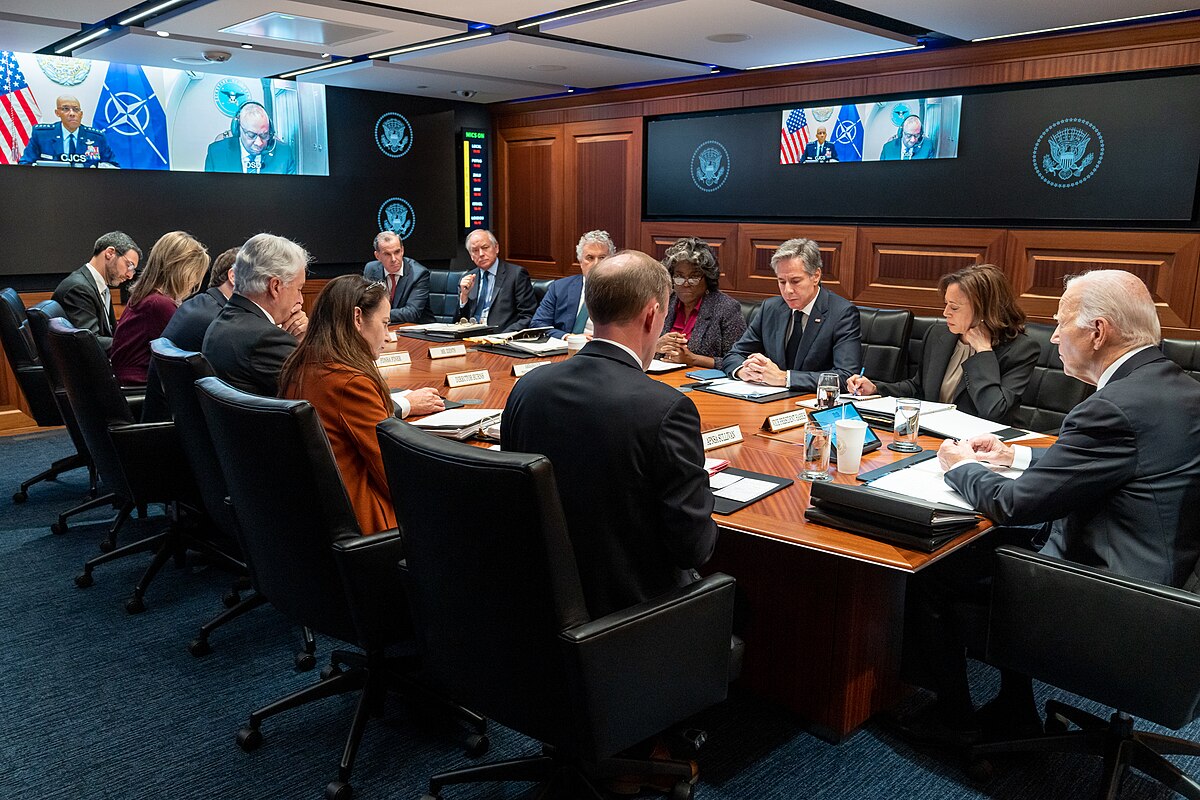
The White House and the United States Department of State jointly steer US foreign policy Venezuela, balancing strategic priorities with domestic political pressures. Interagency coordination plays a critical role, particularly in aligning sanctions enforcement, humanitarian exemptions, and diplomatic messaging.
Internal debates persist over whether policy should prioritize regime change, stability, or humanitarian relief. These debates reflect broader questions about the limits of American power and the effectiveness of coercive diplomacy.
The result is a policy that often appears cautious, incremental, and reactive.

Congressional Influence and Domestic Politics
Congress exerts significant influence over US foreign policy Venezuela through legislation, oversight, and budgetary authority. Sanctions frameworks, reporting requirements, and humanitarian funding all require congressional involvement.
Bipartisan concern over democratic erosion in Venezuela has sustained pressure across administrations. Yet divisions remain over how far sanctions should go and when flexibility is appropriate. These internal disagreements complicate efforts to recalibrate US foreign policy Venezuela quickly or decisively.
Domestic political considerations, including electoral cycles, further shape policy signaling and timing.
Regional Implications and Migration Pressures
The consequences of US foreign policy Venezuela extend far beyond Venezuela’s borders. Economic collapse and political instability have driven one of the largest migration crises in modern Latin American history. Neighboring countries face mounting social and economic pressures as millions of Venezuelans seek refuge.
Washington increasingly frames US foreign policy Venezuela within a regional stability context, linking diplomatic outcomes to migration management, security cooperation, and humanitarian assistance. This regional dimension has elevated Venezuela policy within broader hemispheric strategy discussions.
Failure to stabilize Venezuela risks long term regional disruption.
Energy Security and Strategic Interests
Energy considerations remain a critical factor in US foreign policy Venezuela. Venezuela possesses some of the world’s largest proven oil reserves, making its production capacity strategically significant during periods of global energy volatility.
US sanctions dramatically reduced Venezuelan oil exports, reshaping global supply chains. In response to market pressures, Washington has periodically issued limited licenses allowing restricted exports. These adjustments highlight the pragmatic undercurrents within US foreign policy Venezuela, even as broader sanctions remain in place.
Energy realities underscore the tradeoffs between strategic interests and normative goals.
Humanitarian Dimension and Moral Responsibility
Humanitarian concerns occupy a growing space in debates over US foreign policy Venezuela. International organizations have documented severe shortages and declining living standards. While US officials emphasize humanitarian exemptions, aid groups argue that financial restrictions still impede relief operations.
This gap between policy intent and humanitarian outcomes has intensified calls for recalibration. Critics argue that moral responsibility demands greater flexibility, while supporters warn against rewarding political intransigence.
The humanitarian question remains one of the most emotionally charged aspects of US foreign policy Venezuela.

International Law and Normative Questions
Legal and normative debates surround US foreign policy Venezuela, particularly regarding sanctions authority, asset control, and diplomatic recognition. Supporters argue that measures align with international norms against corruption and authoritarian governance.
Critics counter that selective enforcement undermines credibility and sets problematic precedents. These legal debates influence how other states interpret and respond to US actions, shaping the global environment in which US foreign policy Venezuela operates.
Information Warfare and Media Narratives
Narrative competition has become central to US foreign policy Venezuela. Washington emphasizes accountability and reform, while Caracas frames US actions as economic warfare and sovereignty violations.
Media coverage amplifies these narratives, shaping public perception and diplomatic leverage. Analysts note that inconsistent messaging can weaken policy effectiveness, highlighting the importance of strategic communication within US foreign policy Venezuela.
Information dynamics increasingly influence policy outcomes.
Comparisons With Other US Sanctions Regimes
Observers frequently compare US foreign policy Venezuela with US approaches toward Cuba, Iran, and other sanctioned states. These comparisons inform internal debates about effectiveness, unintended consequences, and exit strategies.
Lessons from other cases suggest that prolonged sanctions rarely produce rapid political change. This insight fuels calls for adaptive strategies within US foreign policy Venezuela, balancing pressure with incentives.
Future Scenarios and Policy Options
Looking ahead, US foreign policy Venezuela faces several possible trajectories. Options include intensified sanctions, renewed negotiations, gradual normalization tied to reforms, or a hybrid approach combining all three.
US officials signal openness to dialogue under defined conditions, indicating that flexibility remains possible. Whether such engagement yields results depends on domestic dynamics within Venezuela and sustained international coordination.
The stakes remain high for regional stability and US credibility.

Long Term Strategic Implications
Over the long term, US foreign policy Venezuela will shape perceptions of American influence in Latin America. Success could reinforce democratic norms, while failure risks emboldening authoritarian actors and eroding trust.
The Venezuela case illustrates the limits of coercive power in complex political environments. It also underscores the importance of coherence, patience, and multilateral engagement.
A Policy Still in Search of Resolution
In conclusion, US foreign policy Venezuela stands as one of Washington’s most enduring and challenging foreign policy dilemmas. It reflects competing priorities of democracy promotion, humanitarian responsibility, energy security, and regional stability.
After years of pressure and partial engagement, outcomes remain uncertain. What is clear is that Venezuela’s future will continue to test the effectiveness and credibility of American foreign policy in a rapidly changing global landscape.