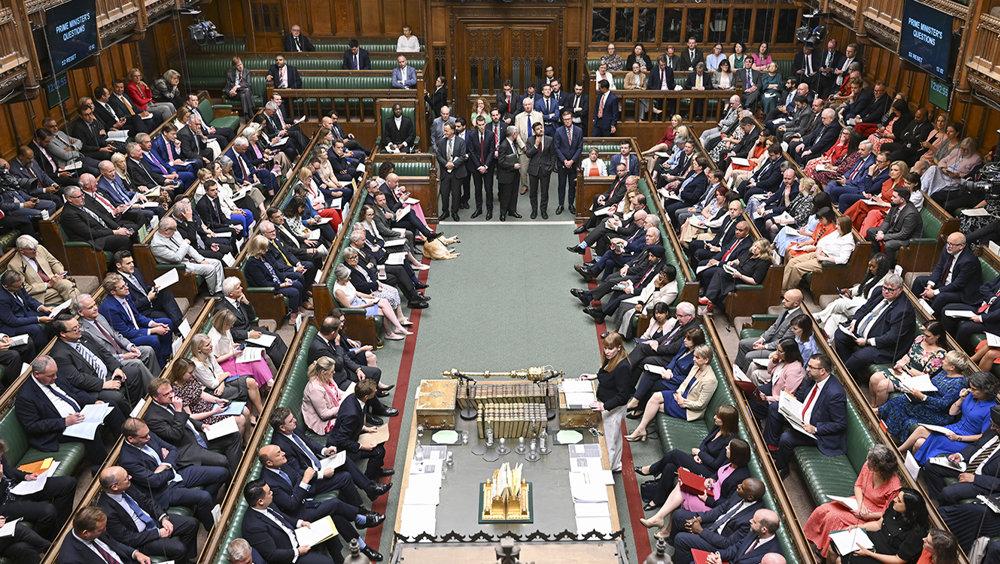
LONDON, United Kingdom – May 18, 2026 – Brussels Morning Newspaper — UK trade policy has once again become one of the most discussed political and economic topics in Britain after renewed Brexit tensions pushed the issue back into national headlines. The latest political disagreements surrounding Britain’s future relationship with the European Union have triggered fresh concerns from businesses, investors, exporters, and political leaders across the country.
- Brexit Continues to Influence UK Trade Policy
- Labour Leadership Faces Internal Divisions
- Businesses Continue Monitoring Trade Conditions
- Economic Growth Remains a Major Concern
- Immigration and Workforce Challenges Add Pressure
- Global Competition Is Reshaping Britain’s Strategy
- Historical Cycles of Britain’s Trade Debates
- Financial Markets Watch Political Stability Closely
- UK-EU Relations May Continue Improving Slowly
- Political Risks Ahead for Britain
- UK Trade Policy 2026
The renewed debate emerged after criticism directed at Prime Minister Keir Starmer from a Labour leadership rival reopened long-standing divisions over Brexit strategy, economic cooperation, and Britain’s long-term trade direction. Political analysts believe the growing pressure surrounding UK trade policy could influence financial markets, business confidence, and future elections throughout 2026.
Although Britain officially left the European Union years ago, many economic and political challenges connected to Brexit continue affecting trade operations, investment decisions, labor markets, and supply chains.
Brexit Continues to Influence UK Trade Policy
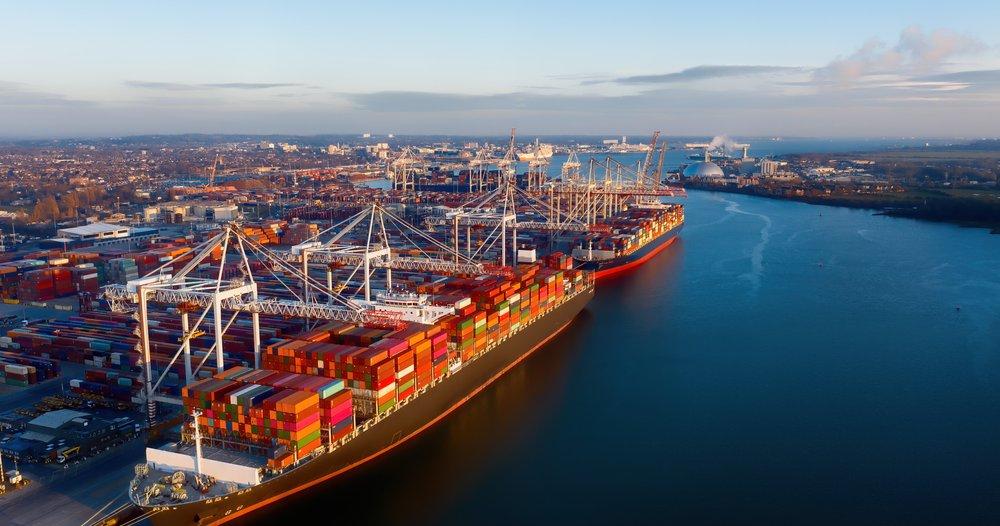
Since Brexit became official, UK trade policy has undergone significant changes. Britain gained greater independence in negotiating global trade agreements, but businesses also faced new customs procedures, border checks, regulatory barriers, and shipping complications with European markets.
The European Union remains Britain’s largest trading partner despite growing efforts to strengthen international agreements with countries outside Europe. Many companies continue struggling with export paperwork, increased logistics costs, and delays linked to post-Brexit regulations.
Economic experts say these challenges continue placing pressure on manufacturers, retailers, agriculture producers, and logistics companies.
Some political leaders argue Britain must rebuild stronger trade cooperation with Europe to support economic recovery. Others insist Brexit created opportunities for the UK to become more globally competitive through independent trade agreements and regulatory flexibility.
That disagreement remains at the center of Britain’s political debate in 2026.
Labour Leadership Faces Internal Divisions
The latest political tensions have exposed growing disagreements inside Labour regarding UK trade policy and Britain’s future relationship with Europe. While Prime Minister Starmer has ruled out rejoining the EU single market or customs union, critics inside the broader Labour movement argue the government should pursue deeper economic cooperation with European partners.
Business groups have increasingly called for reduced trade barriers and smoother customs arrangements to improve economic efficiency. Some Labour figures believe practical economic reforms could help British exporters compete more effectively in international markets.
However, political strategists remain cautious about reopening major Brexit arguments due to lingering voter divisions across the country.
One senior political observer stated:
“The Brexit vote may be over, but the economic debate surrounding it is far from finished.”
That sentiment continues gaining attention throughout British political circles.
Businesses Continue Monitoring Trade Conditions
The future direction of UK trade policy remains critically important for businesses operating across Britain. Large corporations, financial institutions, manufacturers, and small businesses are closely watching government decisions regarding tariffs, customs procedures, labor mobility, and trade negotiations.
Several sectors remain particularly sensitive to Brexit-related trade changes:
- Manufacturing
- Agriculture
- Automotive production
- Financial services
- Hospitality
- Transportation and logistics
Business organizations have repeatedly warned that uncertainty surrounding regulations and trade agreements can discourage long-term investment. Companies prefer stable economic conditions and predictable policies when making expansion decisions.
Some firms have adapted successfully to post-Brexit conditions, while others continue facing operational challenges due to increased administrative requirements.
Economic Growth Remains a Major Concern
Economic performance has become one of the most important factors driving discussions around UK trade policy. Britain continues facing pressure from inflation, slower growth, high operational costs, and weak consumer confidence.
Economists say improving trade efficiency could help stimulate business activity, reduce supply chain disruptions, and encourage investment. However, political disagreements over Brexit strategy continue complicating policy decisions.
The Bank of England and financial analysts continue monitoring the economic effects of trade disruptions, particularly in export-heavy industries. Some reports suggest smaller businesses have faced greater difficulties adapting to new customs systems compared to larger multinational corporations.
At the same time, Brexit supporters argue Britain’s ability to negotiate independent global trade deals provides long-term economic opportunities beyond Europe.
Immigration and Workforce Challenges Add Pressure
Immigration remains closely connected to UK trade policy and Brexit-related discussions. Since leaving the European Union, Britain implemented changes to migration systems designed to strengthen border control and reduce dependency on European labor.
However, several industries continue reporting workforce shortages, including healthcare, transportation, hospitality, and agriculture. Business leaders argue labor shortages can reduce productivity and increase operating expenses.
The Labour government now faces pressure to balance immigration control with economic realities.
Political rivals continue using migration policy as a major political issue tied directly to Brexit’s long-term success or failure.
Global Competition Is Reshaping Britain’s Strategy
Global economic competition has intensified since Brexit, forcing Britain to reconsider its long-term trade priorities. Countries worldwide are investing heavily in technology, manufacturing, artificial intelligence, renewable energy, and defense industries.
Britain’s government continues seeking trade partnerships with countries in Asia-Pacific, North America, and the Middle East. Supporters argue these agreements could reduce dependence on European markets and expand international opportunities for British businesses.
However, economists continue warning that geographic proximity makes Europe economically critical to Britain regardless of political disagreements.
The balancing act between global expansion and European cooperation remains one of the biggest challenges facing UK trade policy today.
Historical Cycles of Britain’s Trade Debates
History of UK Trade and European Relations
| Year | Major Trade Event | Impact on Britain |
|---|---|---|
| 1973 | UK joined European Economic Community | Increased European trade integration |
| 1992 | Maastricht Treaty debates | Political divisions intensified |
| 2016 | Brexit referendum | UK voted to leave EU |
| 2020 | Brexit transition completed | New customs and trade rules introduced |
| 2026 | Brexit debate resurfaces | Pressure grows over economic direction |
Britain’s relationship with Europe has influenced political and economic debates for decades. The current disagreements surrounding UK trade policy reflect broader questions about sovereignty, economic growth, and Britain’s role in global markets.
Financial Markets Watch Political Stability Closely
Financial markets generally respond negatively to prolonged political uncertainty. Investors prefer clear economic strategies, predictable trade relationships, and stable government leadership.
The renewed Brexit debate has increased attention on Britain’s political direction and long-term economic strategy. Currency markets, bond investors, and multinational corporations continue monitoring government messaging surrounding trade cooperation and regulation.
London remains one of the world’s most important financial centers, but financial firms continue evaluating how future regulations may affect competitiveness against European markets.
Analysts believe maintaining investor confidence will remain essential for Britain’s economic stability in 2026.
UK-EU Relations May Continue Improving Slowly
Despite political disagreements, Britain and the European Union have gradually improved cooperation in several areas, including defense, security, scientific research, and energy policy.
Global geopolitical tensions have encouraged stronger collaboration among Western allies. Economic resilience, supply chain security, and defense cooperation have become increasingly important following international conflicts and energy market disruptions.
Prime Minister Starmer’s government has generally favored a more diplomatic relationship with European leaders compared to previous administrations, though Labour continues rejecting calls to reverse Brexit itself.
That moderate approach may help reduce political tensions while maintaining Britain’s independent trade position.
Political Risks Ahead for Britain
Political analysts believe UK trade policy could become one of the defining election issues over the next several years. Rising living costs, weak growth, business concerns, and trade frustrations are likely to remain central topics in national political campaigns.
Opposition parties and Labour critics are expected to continue using Brexit-related arguments to challenge government leadership. At the same time, many voters appear exhausted by years of political conflict surrounding Europe.
Some analysts believe the public now wants practical economic solutions rather than ideological arguments about Brexit itself.
One political commentator recently noted:
“The future debate is no longer about leaving Europe. It is about how Britain competes economically after Brexit.”
That shift may shape Britain’s political landscape for years ahead.

UK Trade Policy 2026
- UK exports to the EU remain among the country’s largest trade flows
- Manufacturing and logistics sectors continue reporting Brexit-related costs
- Labour faces internal pressure over future EU cooperation strategy
- Financial markets remain sensitive to political uncertainty
- Businesses continue demanding simplified customs and trade systems