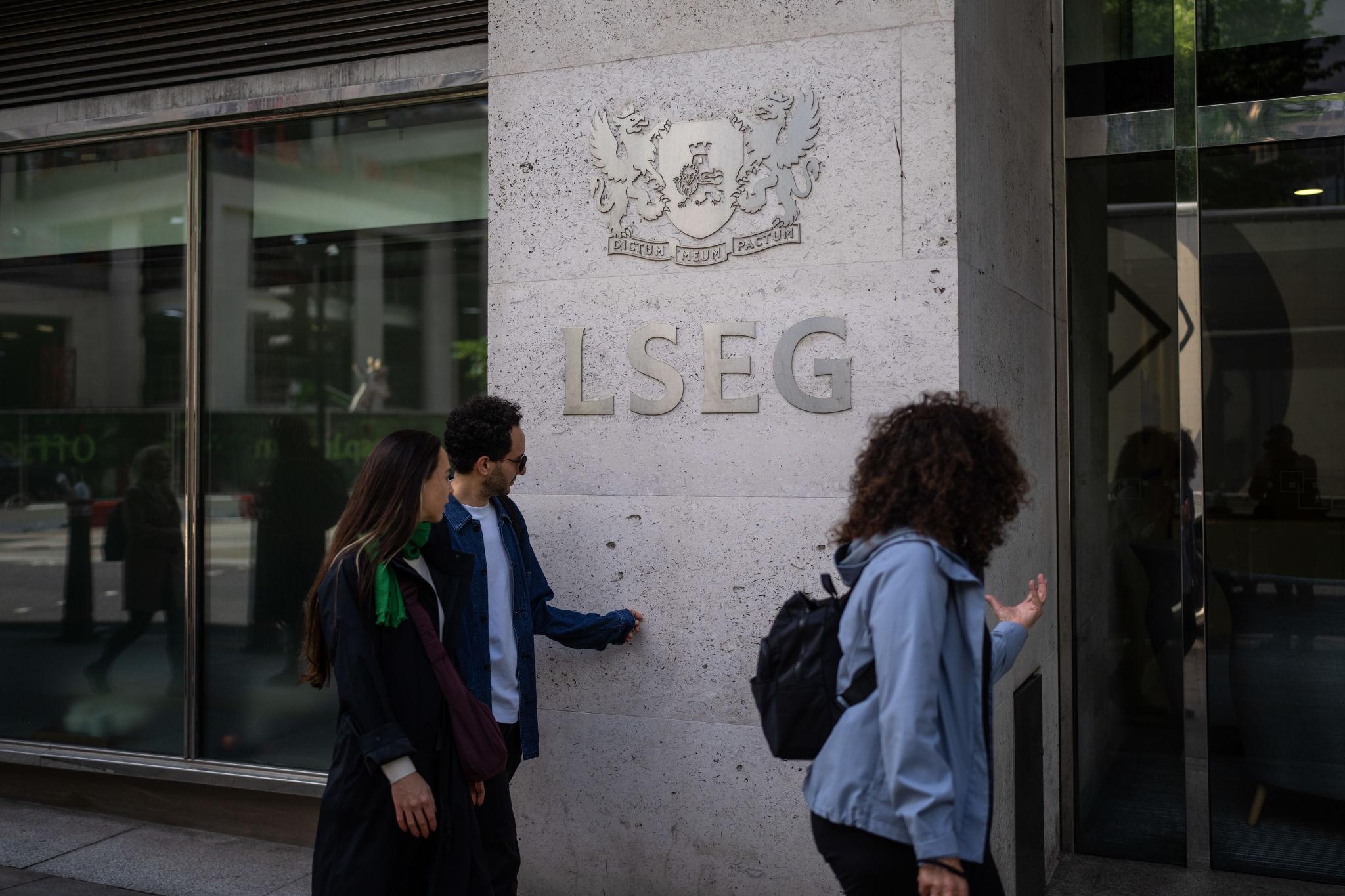
LONDON, United Kingdom – May 12, 2026 – Brussels Morning Newspaper — UK economic concerns intensified this week as sterling weakened against major global currencies while investors monitored rising political uncertainty and questions surrounding Prime Minister Keir Starmer’s leadership. Financial analysts say growing fears involving economic growth, inflation pressure, and market confidence are contributing to increased volatility across British financial markets.
- Sterling and UK Market Trends
- Investors React to Rising Political Uncertainty
- Sterling Faces Pressure From Multiple Economic Factors
- London Markets Experience Increased Volatility
- Inflation and Consumer Spending Remain Key Issues
- Investors Closely Watch Prime Minister Starmer
- Bank of England Decisions Remain Critical
- History of Economic Pressure on Sterling
- History of Sterling Volatility During Economic Uncertainty
- Global Investors Remain Cautious Toward Britain
- Markets Remain Focused on Economic Stability
Currency traders reacted cautiously as uncertainty surrounding government policy direction and broader economic stability continued influencing investor sentiment. Analysts believe the latest sterling weakness reflects broader concern that Britain may face additional economic challenges during the remainder of 2026.
One London-based currency strategist stated,
“Markets are extremely sensitive to uncertainty right now, and investors are carefully evaluating both political developments and economic signals coming from the UK.”
Sterling and UK Market Trends
Key Market Developments
- Sterling weakened against major global currencies
- Investor caution increased across UK markets
- Political uncertainty influenced trading activity
- Market volatility expanded in London
Main Economic Risks
- Slower economic growth
- Inflation concerns
- Rising government spending pressure
- Weak consumer confidence
- Investor uncertainty
Financial Sectors Impacted
- Currency markets
- UK banking sector
- Real estate investment
- Retail and consumer spending
- International capital markets
Investor Focus Areas
- Prime Minister leadership stability
- Inflation management
- Fiscal policy direction
- Bank of England decisions
- UK growth forecasts
Market Sentiment Indicators
- Increased pound volatility
- Cautious foreign investment activity
- Rising demand for safer assets
- Ongoing economic uncertainty
Investors React to Rising Political Uncertainty
The latest UK economic concerns emerged as financial markets responded to growing political pressure surrounding the UK government and uncertainty regarding future economic policies.
Analysts say investors generally prefer political stability because it creates confidence in long-term economic planning and financial decision-making. Any perception of government instability can increase pressure on currencies, stock markets, and business investment.
Sterling’s decline reflects investor caution surrounding fiscal policy, inflation control, and Britain’s overall economic direction during a period of global market uncertainty.
The UK economic concerns impacting markets have intensified debate surrounding taxation, public spending, and long-term growth strategies.
Some economists believe investors are increasingly sensitive to political headlines because global financial markets remain highly vulnerable to economic shocks and geopolitical risks.
Sterling Faces Pressure From Multiple Economic Factors
The British pound has experienced repeated periods of volatility in recent years as Britain navigated inflation pressure, higher interest rates, and slower economic growth.
The latest UK economic concerns affecting sterling are tied not only to politics but also to broader worries involving consumer spending, public debt levels, and investor confidence.
A weaker pound can increase import costs for businesses and consumers while also contributing to inflationary pressure across the economy.
At the same time, some exporters may benefit because British products become relatively cheaper in international markets when sterling declines.
Financial institutions continue closely monitoring currency fluctuations because exchange rates directly impact investment performance and corporate earnings.
London Markets Experience Increased Volatility
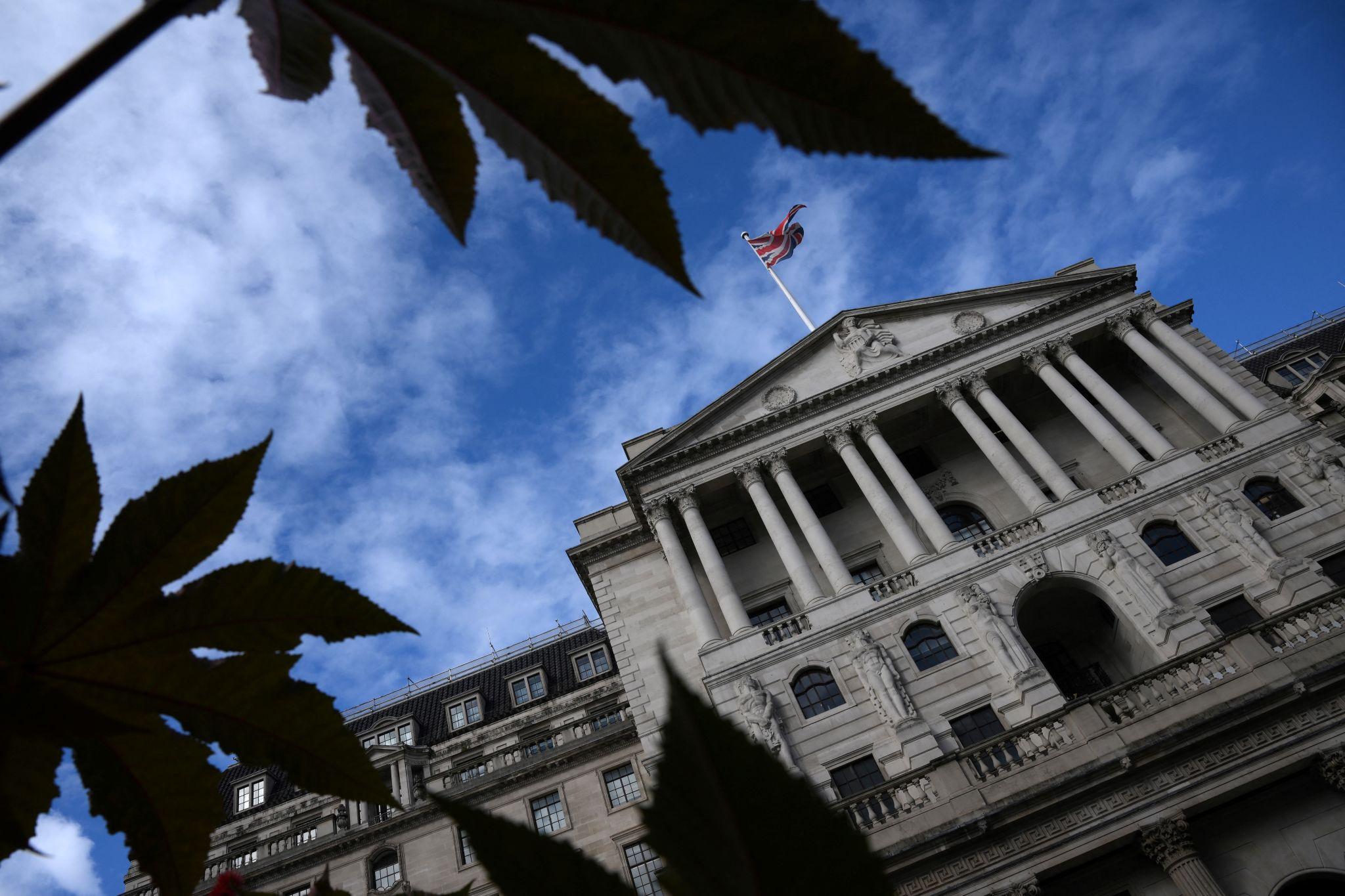
The UK economic concerns influencing sterling also contributed to increased volatility across London financial markets this week.
Market analysts say investors are carefully reviewing economic indicators involving employment, inflation, retail activity, and government borrowing levels.
Stock markets, bond markets, and banking shares all remain sensitive to perceptions regarding Britain’s economic stability.
One investment strategist commented,
“Markets are looking for reassurance that economic management remains stable despite growing political pressure.”
International investors remain especially focused on Britain because London continues operating as one of the world’s largest financial centers.
Inflation and Consumer Spending Remain Key Issues
Inflation continues influencing economic sentiment across Britain despite some moderation compared to previous years.
The UK economic concerns facing consumers include rising living costs, higher borrowing expenses, and pressure on household spending power.
Retail businesses and service industries continue monitoring consumer confidence closely because slower spending can reduce economic growth momentum.
Economists say interest rate policies from the Bank of England will remain one of the most important factors shaping market expectations during the coming months.
Some financial experts believe inflation concerns could continue limiting economic recovery if wage growth and consumer demand weaken further.
Investors Closely Watch Prime Minister Starmer
Political developments surrounding Prime Minister Keir Starmer remain a major focus for investors evaluating Britain’s economic outlook.
The UK economic concerns tied to government stability have increased speculation regarding future fiscal strategies and regulatory policies.
Analysts believe financial markets are primarily focused on whether the government can maintain economic confidence while balancing public spending demands and fiscal discipline.
One European economist stated,
“Investor confidence depends heavily on perceptions of stability, predictability, and long-term economic management.”
Financial markets generally respond positively to clear policy direction and stable leadership environments.
Bank of England Decisions Remain Critical
The Bank of England continues playing a central role in shaping investor sentiment and sterling performance.
Interest rate decisions, inflation forecasts, and economic guidance from the central bank remain closely watched by global markets.
The latest UK economic concerns have increased speculation regarding whether future interest rate adjustments may be necessary to stabilize inflation and support economic growth.
Currency traders often react quickly to statements from central bank officials because monetary policy directly influences borrowing costs, investment activity, and currency valuations.
Analysts say uncertainty involving both politics and interest rates can increase short-term market volatility.
History of Economic Pressure on Sterling
History of Sterling Volatility During Economic Uncertainty
Sterling has historically faced volatility during periods of political pressure, inflation concerns, and economic instability.
Major events including Brexit negotiations, financial crises, leadership transitions, and recession fears have previously created sharp fluctuations in the British pound.
The latest UK economic concerns reflect how currency markets remain highly sensitive to investor perceptions regarding political leadership and economic credibility.
Despite periods of instability, London has continued operating as one of the world’s leading financial and trading centers.
Financial historians note that sterling often stabilizes when markets regain confidence in long-term economic planning and policy consistency.
Global Investors Remain Cautious Toward Britain
International investors continue monitoring Britain’s political and economic environment while evaluating future opportunities in UK markets.
The UK economic concerns currently impacting sterling may influence international capital flows if uncertainty surrounding policy direction continues expanding.
Foreign investors remain important participants in British financial markets, including real estate, equities, and government bonds.
Analysts say maintaining investor confidence remains critical for long-term economic growth and market stability.
One senior financial advisor stated,
“Global markets are closely watching whether Britain can maintain economic resilience during a highly uncertain global environment.”

Markets Remain Focused on Economic Stability
Sterling’s recent decline reflects growing investor attention toward Britain’s economic outlook and political stability during 2026. Financial markets continue monitoring government leadership, inflation trends, and central bank policy as uncertainty impacts currency trading and investor sentiment.
While market conditions may continue fluctuating in the short term, analysts believe economic stability and political clarity will remain essential for restoring confidence in Britain’s financial markets moving forward.