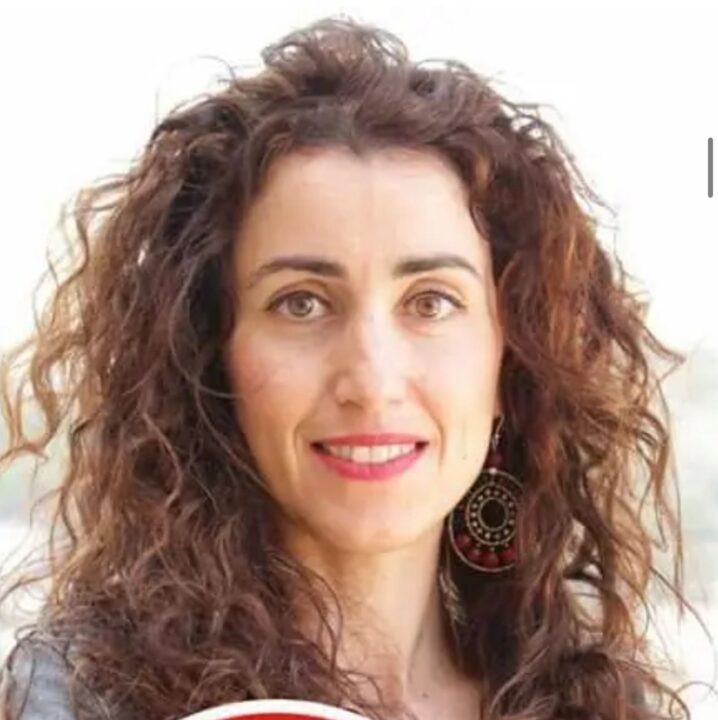

Abu Dhabi (Brussels Morning Newspaper) – UAE state minister Lana Nusseibeh said on Thursday at a briefing with a European Commissioner that Free trade discussions between the United Arab Emirates and the European Union are advancing rapidly.
According to the EU, in April, the negotiations between the UAE and the EU began earlier this year with a focus on investment, trade in goods and services, and strengthening cooperation in strategic areas like critical raw materials, green hydrogen, and renewable energy.
Nusseibeh said the fourth round of talks is scheduled to take place in the UAE this week, and a fifth round is planned for early next year, Reuters reported.
“We’re having very productive conversations,”
she said.
What priorities define the UAE–EU trade negotiations?
In April this year, the European Commission President von der Leyen held a cordial phone call with the President of the United Arab Emirates, Sheikh Mohamed bin Zayed Al Nahyan. During their conversation, they consented to launch negotiations on a free trade arrangement.
According to the EU, the discussions were center on investment, trade in goods and services, and strengthening collaboration in key areas like critical raw materials, renewable energy, and green hydrogen.
The agreement to begin negotiations for a Comprehensive Economic Partnership Agreement (CEPA) with the EU, according to the president of the UAE, is intended to strengthen bilateral ties and foster economic expansion.
The agreement is expected to create opportunities in important industries like advanced manufacturing, healthcare, logistics, and artificial intelligence by lowering tariffs and needless trade barriers and enhancing market access for goods and services, according to the UAE’s state news agency (WAM).
With 8.3% of the UAE’s total non-oil trade, the EU is the country’s second-largest trading partner. According to the UAE state news agency, the affluent Gulf state is also the EU’s top investment partner and export destination in the Middle East and North Africa.
The UAE has long supported increased EU engagement in the Gulf. It is the second-biggest economy in the Arab world after Saudi Arabia, a significant Middle East trading partner for numerous other countries, and one of the most active sovereign wealth funds globally.
When did the EU Commission chief visit the UAE?
During her visit in 2023, Ursula von der Leyen, President of the European Commission, also had a meeting with Sheikh Mohamed bin Zayed Al Nahyan, President of the United Arab Emirates. The high-level gathering provided a chance to talk about different facets of EU-UAE cooperation.
Zayed Al Nahyan and von der Leyen had productive conversations about regional and global developments during their meeting. In order to tackle common global issues, both leaders underlined how vital it is to increase international cooperation.