
Trump Executive Order Makes Marijuana Safer Through Reclassification
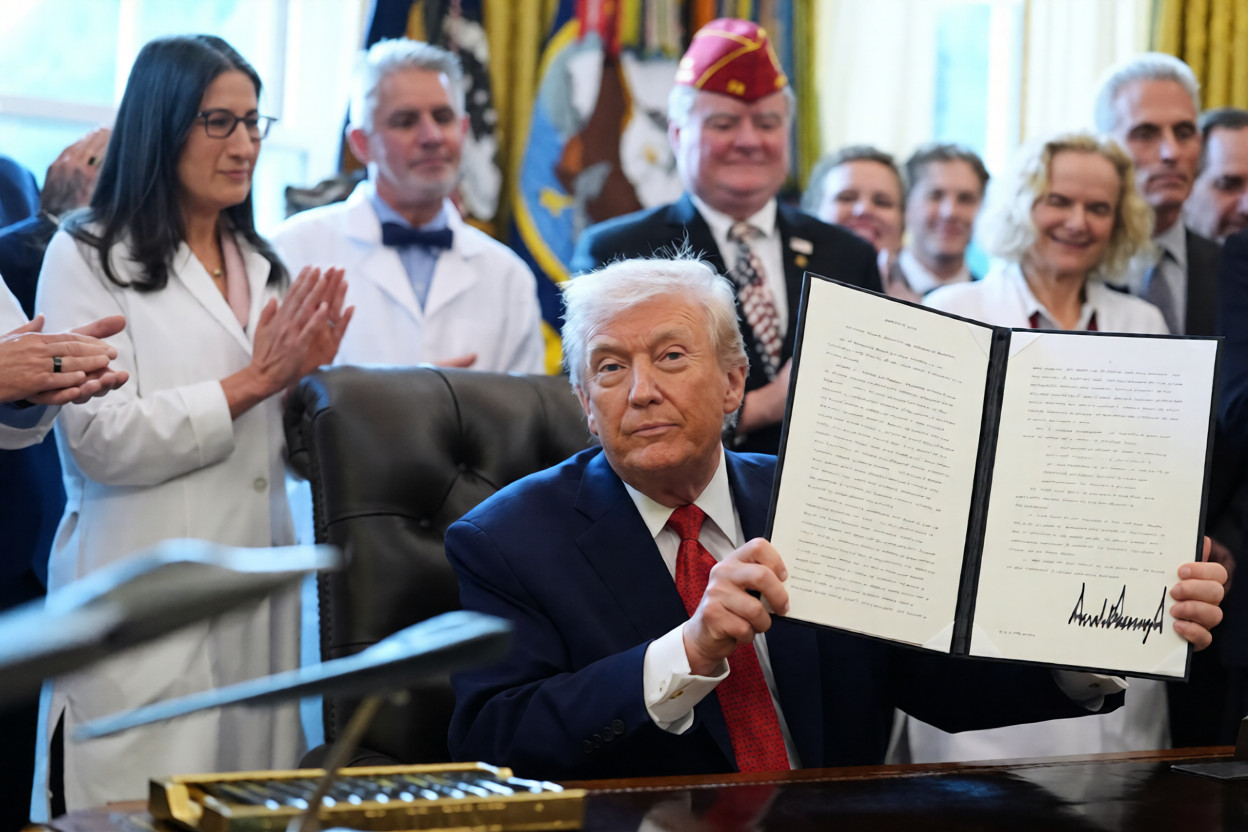
In a landmark move that has sent ripples through the political and social spheres, former President Donald Trump signed an executive order reclassifying marijuana as less dangerous under federal law. This decision marks a significant shift in the United States government’s stance on cannabis, potentially reshaping drug policy and impacting millions of Americans who use marijuana for medicinal and recreational purposes.
A Historical Overview
The executive order, signed late last week, downgrades marijuana from its previous classification as a Schedule I substance under the Controlled Substances Act. Schedule I drugs are defined as having “no currently accepted medical use and a high potential for abuse.” By contrast, the new order reclassifies marijuana into a category that acknowledges its medicinal value and reduces its perceived risk level.
This decision breaks decades of stringent federal prohibition and paves the way for expanded research, medical use, and possibly broader decriminalization efforts nationwide. The move reflects growing public support for cannabis reform and follows initiatives taken by several states legalizing marijuana in various forms.
What Does the Reclassification Mean?
Reclassifying marijuana as less dangerous carries several immediate and long-term implications:
- Increased Research Opportunities: One of the greatest roadblocks to cannabis research has been its Schedule I status. Scientists and medical professionals have struggled to study marijuana’s effects comprehensively. This new classification eliminates some bureaucratic barriers, allowing for more extensive clinical trials and studies on its therapeutic benefits.
- Changes in Medical Use: With marijuana’s medical efficacy acknowledged at the federal level, patients suffer less risk of federal prosecution for use prescribed or recommended by their doctors. This could expand access to cannabis-based treatments for ailments such as chronic pain, epilepsy, PTSD, and multiple sclerosis.
- Law Enforcement and Criminal Justice Reform: The reclassification signals a softer federal stance on marijuana possession and use, which may translate into fewer prosecutions and sentences for low-level offenses. It also opens the door for reconsideration of past convictions, potentially reducing incarceration rates for cannabis-related crimes.
- Economic Impact: Cannabis industries could see a surge in investment and growth. Banks and financial institutions, previously wary of serving marijuana businesses due to federal restrictions, might now engage more freely, bolstering the economic sector.
Public and Political Reactions
The reaction to the executive order has been mixed but predominantly positive among reform advocates and many lawmakers.
Supporters’ Perspectives:
Proponents argue that the policy rewrite finally aligns federal law with the changing attitudes of Americans and the reality in many states. Advocacy groups highlight the social justice implications, noting that drug laws have disproportionately affected minority communities. The executive order is viewed as a pivotal step toward rectifying these historical injustices.
Opposition Concerns:
Conversely, some conservatives and law enforcement officials caution against easing restrictions too quickly. They warn that marijuana poses risks, including potential impacts on mental health and road safety. Their concerns focus on regulating cannabis use responsibly, avoiding a surge in underage consumption or impaired driving.
Despite the debate, polls indicate that a majority of Americans currently support some level of legalization or decriminalization, making the executive order a reflection of evolving public opinion.
Potential Challenges and Next Steps
While the executive order is a powerful tool, it is not the final word on cannabis policy. The reclassification applies to federal law but does not override state laws, which still govern marijuana’s legality on a local level. States with strict prohibitions may continue to enforce their own rules, leading to potential conflicts.
Moreover, Congress remains divided on marijuana legislation. Although the executive order can influence policy, comprehensive reform — such as federally legalizing cannabis or banking reform for marijuana businesses requires legislative action.
Another challenge lies in regulatory development. As marijuana moves into a less restricted category, federal agencies such as the Food and Drug Administration (FDA) and the Drug Enforcement Administration (DEA) will need to establish guidelines to ensure consumer safety, quality control, and prevent misuse.
The Broader Impact on Drug Policy Reform
Trump’s executive order could serve as a catalyst for broader drug policy reevaluation. Several other substances have historically been heavily regulated without strong scientific backing, and reexamining marijuana could inspire a more evidence-based approach to drug governance in general.
Additionally, this decision may inspire other countries watching the U.S. drug policy landscape. As the world’s largest economy adjusts its stance, international perspectives on cannabis and drug reform may shift in turn.
Key Takeaways
The signing of the executive order reclassifying marijuana as less dangerous marks a turning point in American drug policy. It acknowledges the evolving scientific understanding of cannabis’s medicinal benefits and reflects widespread changes in societal attitudes. While challenges remain, including legislative hurdles and regulatory frameworks, this development offers hope for millions of Americans seeking safer access to marijuana and a fairer justice system. As the nation watches closely, the implications of this move will unfold in the coming months and years, potentially shaping the future of cannabis and drug reform in the United States for generations to come.