

The Ghent Belfry, standing majestically at 91 meters above Belgium’s historic city of Ghent, is one of the country’s most iconic medieval towers. Recognised as a UNESCO World Heritage site, the Belfry is not only a landmark of architectural grandeur but also a powerful symbol of the city’s past prosperity, political autonomy, and enduring spirit.
- The Historical Significance of the Ghent Belfry
- The Ghent Belfry: An Iconic Structure Over 700 Years Old
- Architectural Masterpiece: Gothic Style and Features
- How has the Ghent Belfry architecture changed over centuries
- The Belfry Experience: Exploration and Views
- Ghent Belfry in Context: A UNESCO World Heritage Site
- A Lasting Legacy of Power and Pride
The Historical Significance of the Ghent Belfry
Construction of the Belfry began in 1313, a period when Ghent was flourishing as an influential medieval city. It was originally designed by master mason Jan van Haelst and became a testament to Ghent’s independence from feudal rulers, embodying the city’s assertion of autonomous civic power.
The tower served multiple vital functions: it housed the city archives, treasury, and legal documents, secured in the fortified ‘Secreet’ chamber. These privileges represented the rights Ghent had fought hard to achieve since the 11th century.
Throughout its history, the Belfry acted as a watchtower and an alarm system, alerting citizens to fires, invasions, or other emergencies with its resounding bells. The famous carillon called people to work, worship, or public gatherings, regulating daily life rhythmically until the watchmen patrols ended in 1869.
The Belfry’s gilded dragon weather vane, perched atop the tower since 1377, has protected the city symbolically for centuries. This dragon, reportedly originating from Norwegian King Sigrid Magnusson’s crusader ship, has become a beloved guardian of Ghent and is closely tied to local folklore and civic identity.
The Ghent Belfry: An Iconic Structure Over 700 Years Old
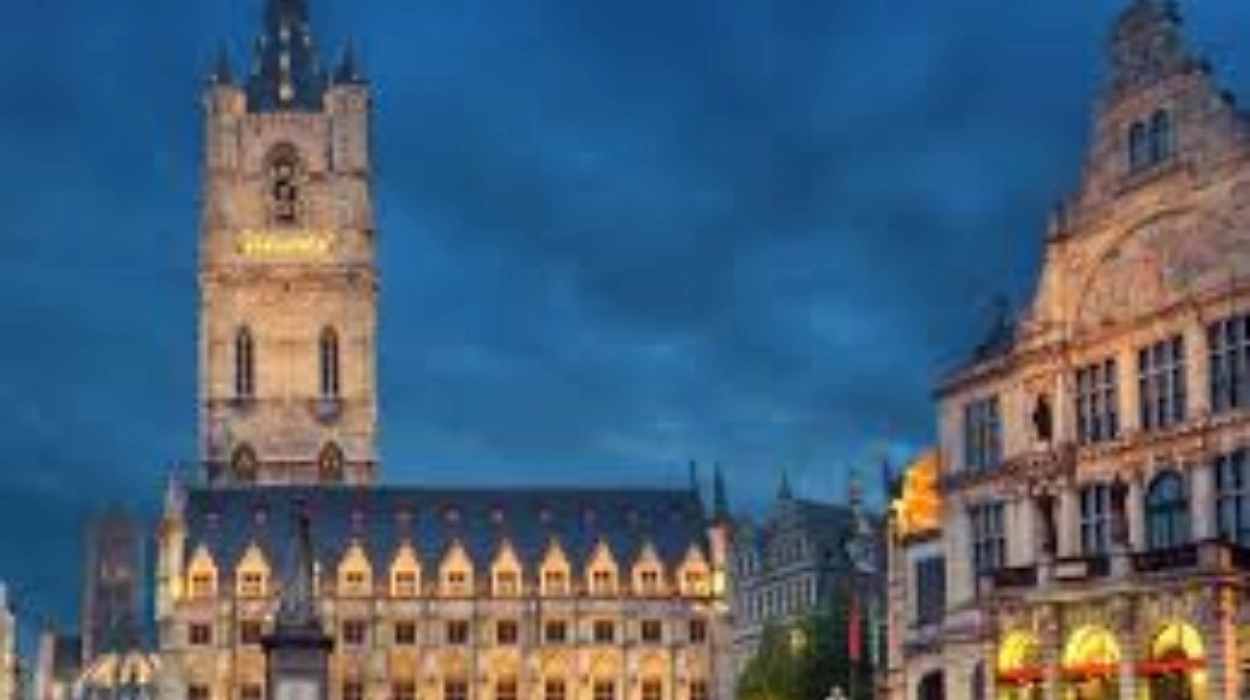
The Ghent Belfry, also known as Belfort van Gent, began construction in the year 1313 based on the designs of master mason Jan van Haelst. Its construction was intermittent, spanning several decades due to wars, plagues, and political turmoil, and was completed around 1380. This makes the Belfry over 700 years old, standing as a remarkable piece of medieval architecture and history in Belgium.
The tower originally served multiple roles, including safeguarding the city’s privileges and charters in a fortified chamber known as the ‘Secreet.’ It also functioned as a watchtower with bell-ringers and guards who would alert the city of danger such as invasions or fires. The iconic gilded dragon atop the tower, which has served as the city’s symbolic guardian since the late 14th century, further reflects its historical importance.
Over the centuries, the Belfry has undergone restorations but has maintained its medieval Gothic character, symbolizing the prosperity and independence of Ghent. Today it is recognized as a UNESCO World Heritage Site and remains the tallest belfry in Belgium, drawing many visitors who climb its stairs to experience panoramic views of the city and learn about its rich history.
This age-old monument, with its blend of defensive, civic, and cultural functions, embodies Ghent’s heritage and continues to be a vital link between the past and present.
Architectural Masterpiece: Gothic Style and Features
The Belfry is a masterpiece of Brabantine Gothic architecture, built primarily from grey limestone. Its soaring 91-meter height dominated the medieval city skyline and remains the tallest belfry in Belgium. Its robust construction, decorated with intricate stonework, buttresses, and medieval motifs, reflects the dual priorities of defense and aesthetics.
Throughout the centuries, the tower underwent renovations and restorations to preserve its stability and appearance, including replacing originally wooden spires with stone and iron versions before culminating in the current neo-Gothic spire finalized in the early 20th century.
The adjoining Cloth Hall, completed in 1907, stands as a flamboyant architectural extension celebrating Ghent’s historic prominence in the textile trade. Its richly adorned facades symbolize the city’s affluence and industrial vitality during the medieval and early modern periods.
Adjacent to the Belfry is the Mammelokker prison building, famous for the touching Roman legend of Cimon and his daughter, symbolizing compassion and mercy, which adds a humanizing narrative to the grand monument.
How has the Ghent Belfry architecture changed over centuries
The Ghent Belfry, an iconic tower rising 91 meters above Belgium’s historic city of Ghent, showcases a rich architectural history marked by gradual evolution, repairs, and stylistic shifts spanning over seven centuries. Constructed initially starting in 1313 with work by master mason Jan van Haelst, the Belfry was built from grey limestone brought from Tournai via waterways.
The medieval core of the tower was designed to reflect Ghent’s prosperity and independence, embodying Brabantine Gothic style—a characteristic blend of verticality, strong stonework, and ornate detailing.
Early Gothic Construction
The initial build progressed relatively smoothly until political conflicts such as the Anglo-French wars disrupting Flemish territories slowed and halted work intermittently. By 1380, a provisional wooden spire crowned the tower, symbolic of the era’s typical construction methods. With its octagonal shape atop a square base, the Belfry combined defensive robustness with aesthetics, serving as a fortified watchtower and civic monument.
Modifications and Spire Upgrades
Between the 15th to 18th centuries, the Belfry’s upper parts were rebuilt multiple times to accommodate expanding carillon bells and shifting architectural preferences. In 1684, architect Lieven Cruyl proposed a Baroque spire design, though it was never realized. Instead, in 1771, architect Louis ‘t Kindt finished a campanile style spire which later gave way to a neo-Gothic cast-iron spire installed in 1851.
The iron spire, reflecting industrial advancements and neoclassical tastes, was eventually deemed structurally unsound due to rust and other flaws. Between 1911 and 1913, the iron spire was removed and replaced with the current stone neo-Gothic spire, designed by Valentin Vaerewijck, inspired by original medieval plans. Restoration efforts continued into the late 20th century to maintain architectural integrity and safety.
Architectural Ensemble with Adjacent Structures
The Ghent Belfry is closely integrated with the adjoining Cloth Hall, constructed between 1425 and 1907 in phases, featuring flamboyant Brabant Gothic elements. The hall commemorated Ghent’s medieval textile wealth and guild power, elaborately decorated to signal the city’s commercial prominence.
Between the Belfry and Cloth Hall stands the Mammelokker, completed in 1741, once the gatehouse to the city jail. The relief sculpture above its portal recounts a legend reflective of civic mercy, adding narrative depth to the ensemble.
Functional and Cultural Architecture
Beyond its military and trade-related roots, the Belfry served as a communal clock tower, regulating city life through its famous bell ‘Roland’ and later the carillon ensemble of 54 bells. The addition of clock mechanisms in the 14th century and subsequent upgrades through the 17th century with pendulum technology exemplify the tower’s dynamic functions driving technological changes.
The architectural evolution ensured that the Belfry remained a symbol of Ghent’s civic pride, adapting to the needs of changing times while preserving its medieval charm. The elongated vertical forms, the ornamental stone tracery, and the crown-like spire all narrate a city that respects its past while evolving architecturally.
Preservation and Modern Role
Now a protected monument and UNESCO World Heritage site, the Belfry’s exterior carefully reflects its historical phases, with ongoing restorations preserving original stone and enhancements. Its interior houses exhibitions detailing its extensive history. The tower offers panoramic views of the city, reinforcing its role as a cultural icon and tourist attraction.
The Belfry Experience: Exploration and Views
Visitors to the Ghent Belfry can ascend 366 steps to panoramic views of the old city, canals, and the surrounding Flemish countryside. Though physically demanding, the climb immerses visitors in history, with informational displays recounting the Belfry’s origins, its watchmen’s duties, and the evolution of timekeeping through its clock mechanisms.
For families, the city provides a “Little Guide” to engage children with the Belfry’s history, making a visit educational and fun. A lift is available from the first floor, though access remains limited for those with reduced mobility.
Live carillon performances enliven the city’s atmosphere every Sunday morning and on summer Saturday evenings, showcasing the musical heritage of the Belfry’s famous bells and adding cultural vibrancy.
The Belfry’s gift shop offers a range of locally themed memorabilia, from dragon statuettes to books and culinary specialties, connecting visitors further with Ghent’s cultural heritage.
Ghent Belfry in Context: A UNESCO World Heritage Site
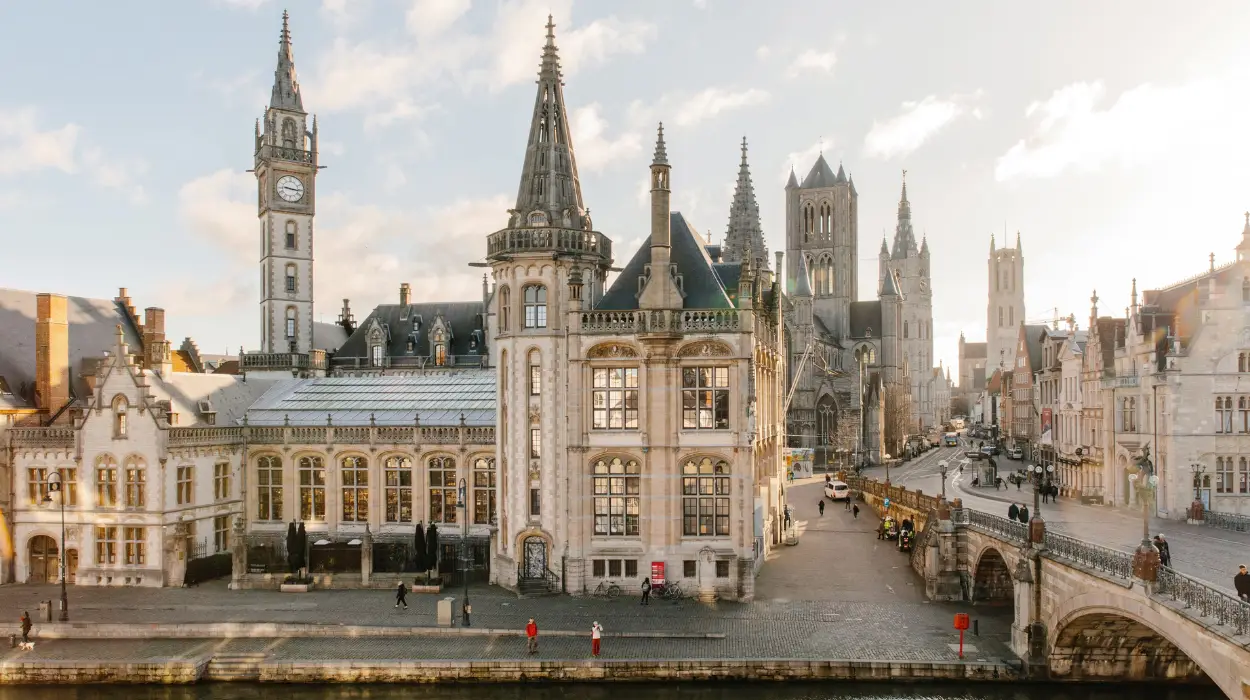
The Ghent Belfry forms part of the Belfries of Belgium and France UNESCO World Heritage site, recognized for its architectural, cultural, and historical importance. These belfries collectively represent the rising communal independence of medieval towns and the flourishing of civic pride expressed through monumental civic architecture.
The Ghent Belfry, uniquely located between the Saint Nicholas’ Church and Saint Bavo’s Cathedral, acts as the middle tower in the city’s celebrated skyline known for its “Three Towers,” embodying the city’s rich ecclesiastical and civic history.
A Lasting Legacy of Power and Pride
The Belfry of Ghent endures as a magnificent symbol of freedom, prosperity, and resilience. Its centuries-long history intertwined with tales of local legends and civic defenders provides a rich narrative that continues to captivate visitors from around the world. With its stunning Gothic architecture and sweeping city views, the Belfry remains a must-visit heritage site, offering a timeless window into Ghent’s proud past and vibrant present.
Dear reader,
Opinions expressed in the op-ed section are solely those of the individual author and do not represent the official stance of our newspaper. We believe in providing a platform for a wide range of voices and perspectives, even those that may challenge or differ from our own. We remain committed to providing our readers with high-quality, fair, and balanced journalism. Thank you for your continued support.