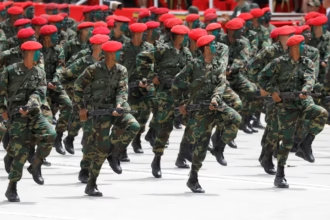
The Thailand Cambodia Border Clashes have become a growing concern across Southeast Asia as officials from both countries prepare for high level talks aimed at preventing further violence along their shared frontier. The latest incidents, involving exchanges of fire and troop movements near disputed border areas, have raised fears of escalation between two nations with a long and complex history of territorial disagreements.
As the situation unfolds, the meeting between Thai and Cambodian officials is being closely watched by regional partners and the international community. The outcome of these talks could determine whether tensions ease through diplomacy or continue to simmer with the risk of renewed confrontation.
Background of the Thailand Cambodia Border Clashes
The roots of the Thailand Cambodia Border Clashes can be traced back decades, linked to unresolved boundary demarcations dating to colonial era maps. While both countries have enjoyed periods of cooperation and economic integration, border tensions have periodically flared, particularly in areas surrounding historic temples and strategic crossings.
These disputes are not merely symbolic. Border zones often hold economic, cultural, and security significance, making them sensitive flashpoints. The latest clashes underscore how unresolved issues can resurface despite years of diplomatic engagement.
Recent Incidents Spark Renewed Tensions
In recent days, reports indicate that armed personnel from both sides were involved in confrontations near contested border points. While officials initially downplayed the severity, confirmation of injuries and increased military presence heightened concerns.
The Thailand Cambodia Border Clashes have led both governments to reinforce positions and issue statements emphasizing sovereignty and territorial integrity. Such rhetoric, while expected domestically, has added urgency to diplomatic efforts aimed at de-escalation.
Officials Prepare for High Level Talks
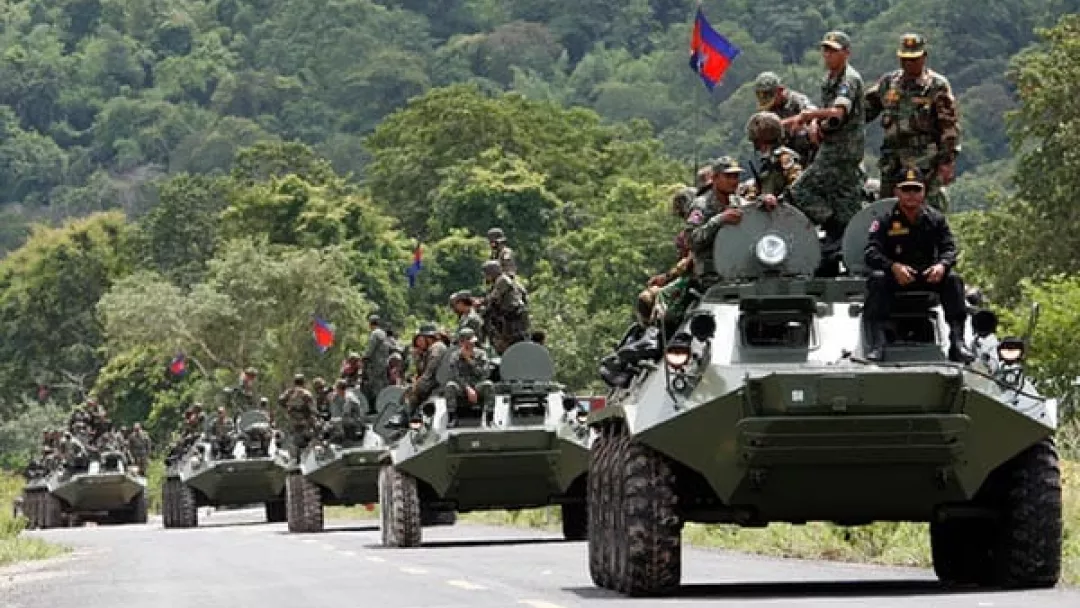
Officials from Thailand and Cambodia are set to meet to address the Thailand Cambodia Border Clashes, signaling recognition that dialogue is essential to prevent further escalation. Diplomatic sources suggest discussions will focus on immediate ceasefire mechanisms, troop disengagement, and improved communication between border commanders.
These talks are expected to take place under the framework of regional cooperation, with ASEAN principles of peaceful dispute resolution guiding the process. The meeting represents an opportunity to stabilize the situation before it evolves into a broader conflict.
Role of ASEAN in Managing the Crisis
The Association of Southeast Asian Nations has historically played a key role in mediating disputes among member states. The Thailand Cambodia Border Clashes present a critical test of ASEAN’s ability to uphold regional stability.
ASEAN emphasizes dialogue, non-interference, and consensus. Regional leaders have urged restraint from both sides, stressing that border disputes must be resolved through negotiation rather than force.
Thailand’s Position on the Border Clashes
Thailand has reiterated its commitment to defending its territory while expressing openness to diplomatic solutions. Thai officials argue that their forces responded defensively to incursions and remain prepared to protect national sovereignty.
At the same time, Thailand has acknowledged that the Thailand Cambodia Border Clashes require careful handling to avoid long-term damage to bilateral relations. Economic ties, tourism, and cross-border trade are all at stake if tensions persist.
Cambodia’s Response and Diplomatic Strategy
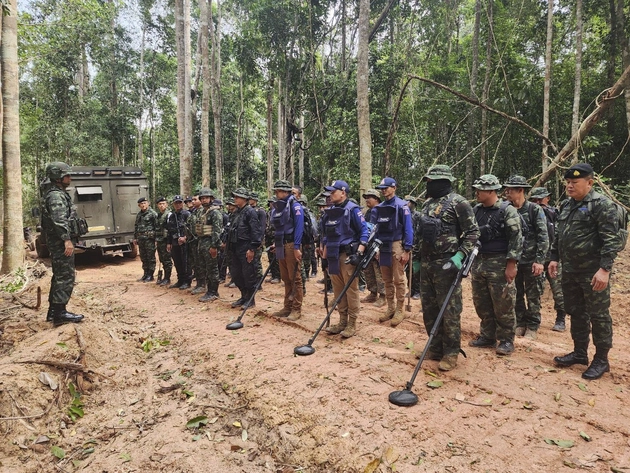
Cambodia has also emphasized its sovereign claims, asserting that its actions were taken within its recognized boundaries. Cambodian leaders have called for calm while supporting talks as the best path forward.
For Cambodia, the Thailand Cambodia Border Clashes raise concerns about security, national pride, and historical grievances. Balancing domestic expectations with regional diplomacy remains a key challenge for Phnom Penh.
Historical Context of Thai Cambodian Border Disputes
Border tensions between Thailand and Cambodia are not new. Past confrontations, particularly around culturally significant sites, have resulted in casualties and international arbitration.
The Thailand Cambodia Border Clashes echo previous episodes where unresolved boundaries and nationalist sentiment combined to produce conflict. Lessons from those incidents highlight the importance of sustained dialogue and clear demarcation agreements.
Military Posture and Risk of Escalation
Both sides have increased patrols and readiness along the border, raising the risk of miscalculation. Military analysts warn that even small incidents could spiral if communication channels break down.
The Thailand Cambodia Border Clashes demonstrate how localized confrontations can have wider implications. Maintaining discipline and restraint among frontline units is crucial to preventing unintended escalation.
Impact on Border Communities
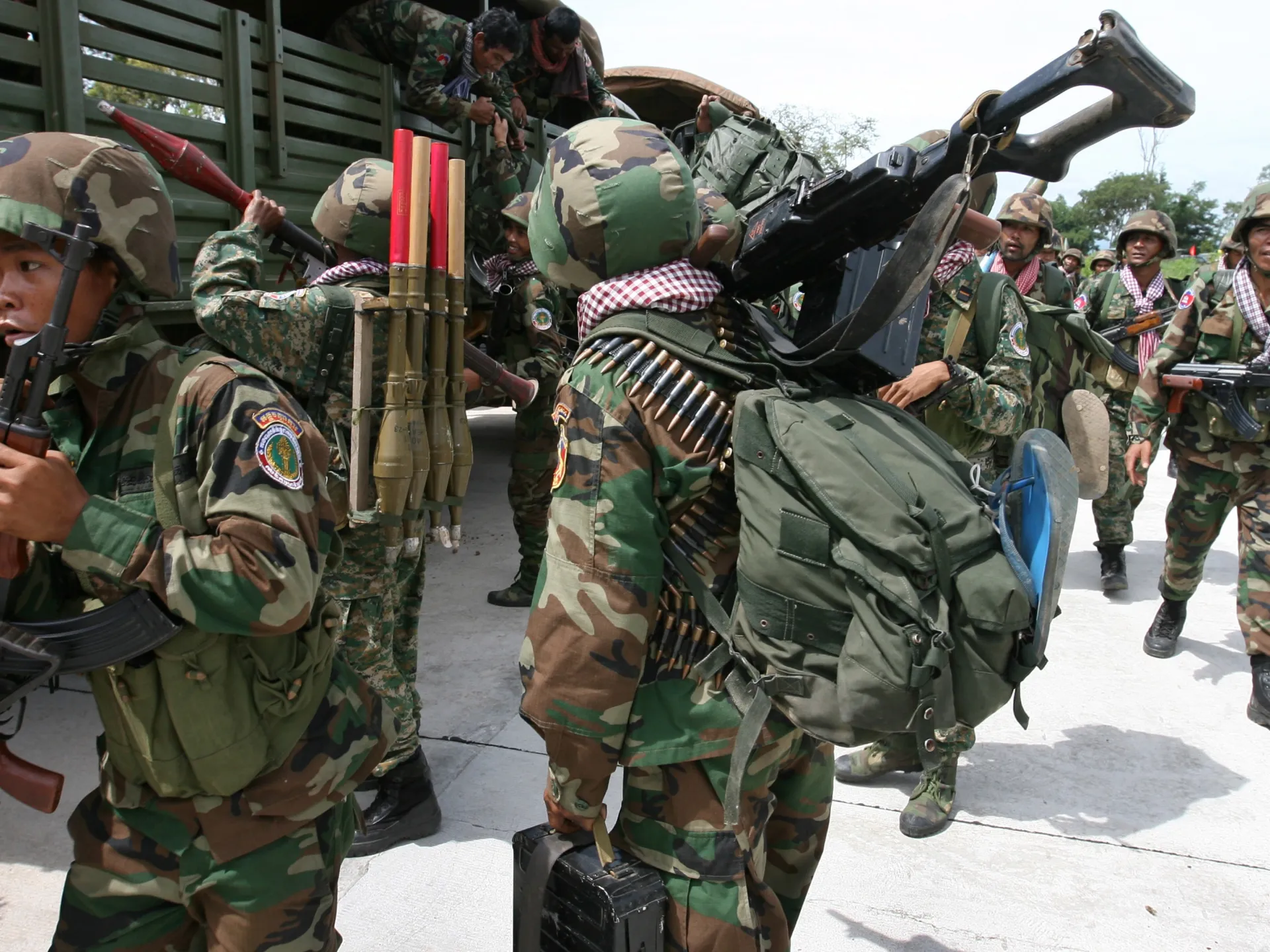
Civilians living near the disputed areas are often the most affected by such clashes. Villages near the frontier have reported disruptions to daily life, including restricted movement and concerns over safety.
The Thailand Cambodia Border Clashes have highlighted the vulnerability of border communities, many of which rely on cross-border trade and cultural exchange. Prolonged tensions threaten livelihoods and social cohesion in these regions.
Economic and Trade Implications
Thailand and Cambodia share strong economic ties, with cross-border trade playing a vital role in regional development. Border instability disrupts supply chains, tourism, and investment.
The Thailand Cambodia Border Clashes have already prompted caution among traders and investors. Resolving the dispute quickly is essential to maintaining economic momentum and confidence.
International and Regional Reactions
Regional neighbors and international partners have urged both countries to exercise restraint. While the dispute remains primarily bilateral, the Thailand Cambodia Border Clashes are being closely monitored due to their potential impact on Southeast Asian stability.
Diplomatic observers note that sustained conflict could undermine ASEAN unity and distract from broader regional priorities, including economic integration and security cooperation.
Importance of Communication and Confidence Building
One of the key goals of the upcoming talks is to improve communication between military commanders on both sides. Establishing hotlines and joint monitoring mechanisms can reduce the risk of misunderstandings.
The Thailand Cambodia Border Clashes underscore the need for confidence-building measures that extend beyond immediate crisis management to long-term trust development.
Prospects for a Peaceful Resolution
While tensions remain high, there is cautious optimism that diplomacy can succeed. Both Thailand and Cambodia have strong incentives to avoid prolonged conflict, including economic interests and regional reputation.
The Thailand Cambodia Border Clashes could ultimately serve as a catalyst for renewed commitment to border demarcation and dispute resolution mechanisms.
Challenges Facing Negotiators
Negotiators face complex challenges, including domestic political pressures, historical grievances, and differing interpretations of border agreements. Achieving compromise requires political will and sustained engagement.
The Thailand Cambodia Border Clashes illustrate how sensitive border issues can test leadership and diplomacy, particularly when national pride is involved.
Role of International Law and Arbitration
International legal frameworks and previous rulings provide reference points for resolving border disputes. While not always accepted by all parties, they offer a foundation for dialogue.
The Thailand Cambodia Border Clashes may prompt renewed discussion about the role of international arbitration in clarifying contested boundaries.
Media Coverage and Public Perception
Media reporting has shaped public perception of the clashes, sometimes amplifying nationalist sentiment. Responsible reporting is essential to prevent misinformation and escalation.
The Thailand Cambodia Border Clashes highlight how narratives can influence public opinion and, by extension, policy decisions.
What Happens Next
The outcome of the officials’ meeting will be critical. Agreements on ceasefire arrangements, troop withdrawals, or joint patrols could quickly reduce tensions.
If talks fail, the Thailand Cambodia Border Clashes risk becoming a prolonged standoff with unpredictable consequences.
The Thailand Cambodia Border Clashes represent a serious test for diplomacy, regional cooperation, and conflict management in Southeast Asia. As officials from both countries meet, the stakes are high not only for bilateral relations but for regional stability as a whole.
A peaceful resolution would reaffirm ASEAN’s commitment to dialogue and demonstrate that even long-standing disputes can be managed through diplomacy. The coming days will reveal whether talks can transform tension into opportunity for lasting cooperation.