
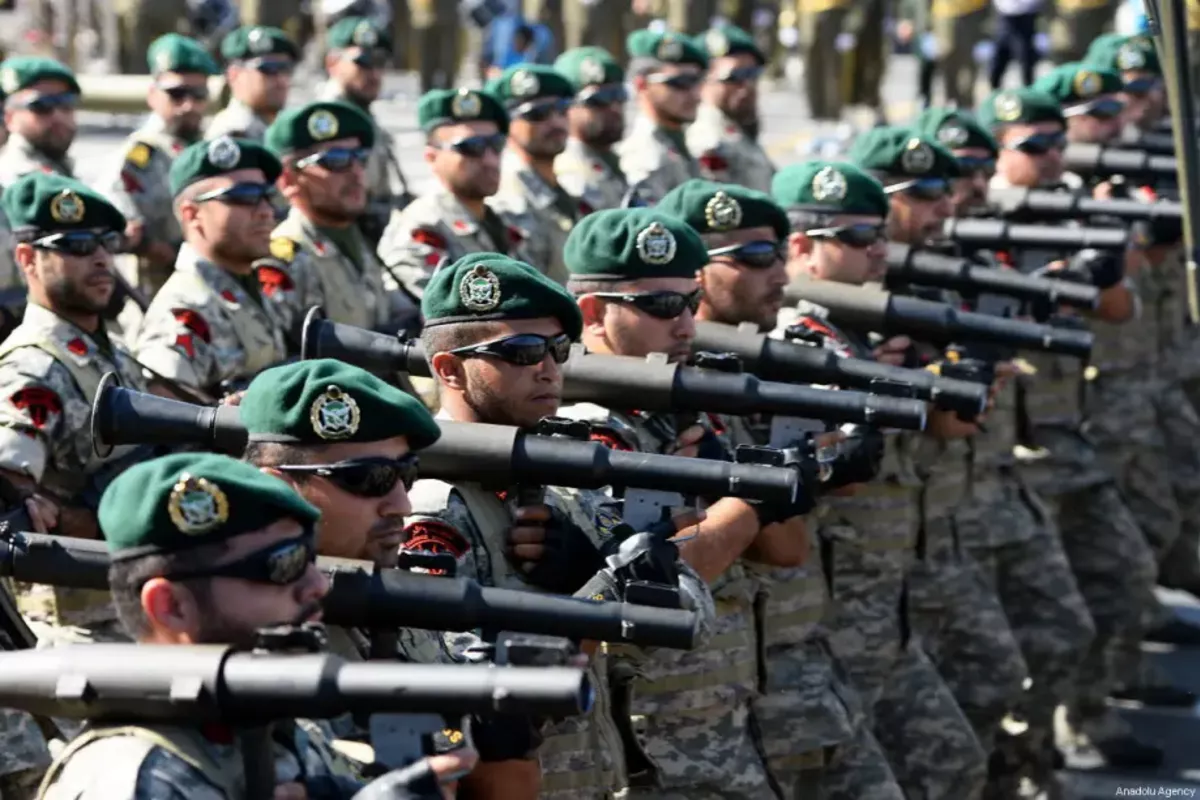
Tehran, Iran — January, 2026: According to Brussels Morning Newspaper, Iranian authorities have confirmed that national defense and internal security forces remain on military on high alert as regional pressures and international uncertainty converge at the start of 2026. The heightened posture reflects growing concern among policymakers that diplomatic strain, regional instability, and external signaling could intersect in unpredictable ways.
Officials stress that the move is precautionary, yet its scale underscores how seriously the current security climate is being assessed in Tehran and across neighboring capitals.
Regional Pressures Drive Strategic Caution
The Middle East has entered 2026 with unresolved conflicts, fragile ceasefires, and competing geopolitical interests shaping the strategic environment. For Iran, these dynamics have created a security equation that requires constant reassessment.
Analysts note that maintaining military on high alert is not a response to a single incident, but rather the cumulative effect of multiple pressure points across the region. Maritime security concerns, proxy tensions, and diplomatic stalemates all factor into current decision-making.

Government Coordination Intensifies Behind the Scenes
Multiple branches of government are involved in managing the elevated posture. Defense planners, internal security agencies, and emergency management officials are working in parallel to ensure rapid coordination.
Sources familiar with internal processes say military on high alert allows leadership to streamline communication, shorten response timelines, and maintain readiness across institutions that would be involved in any major contingency.
Regional Developments Influence Domestic Calculations
Events beyond Iran’s borders continue to weigh heavily on national security planning. Regional conflicts, shifting alliances, and foreign military deployments contribute to a sense of strategic uncertainty.
Security experts argue that remaining on military on high alert reflects concern that external developments could spill over in ways that directly affect domestic stability, even without direct confrontation.
International Monitoring and Diplomatic Signals
Foreign governments and international organizations are closely tracking developments in Tehran. Diplomatic missions have quietly reviewed security protocols, while regional partners emphasize communication to avoid misinterpretation.
The decision to sustain military on high alert has been interpreted by many observers as a defensive signal rather than an aggressive posture, though concerns about escalation remain present.
Economic Confidence Tested by Heightened Readiness
Economic actors are paying close attention to the security environment. Heightened alert levels often influence market sentiment, investment planning, and trade decisions, particularly in strategically sensitive regions.
Economists warn that prolonged periods of military on high alert can weigh on confidence even without direct conflict, as uncertainty itself becomes a drag on long-term economic planning.

Civil Preparedness Quietly Gains Priority
Beyond military readiness, civil preparedness has become an important focus. Authorities are reviewing emergency response systems, infrastructure resilience, and continuity plans to ensure stability under stress.
Operating under military on high alert requires coordination that extends well beyond defense institutions, linking security planning with civilian governance.
Balancing Transparency and Public Reassurance
Public communication has been carefully calibrated. Officials emphasize vigilance while encouraging calm, seeking to avoid panic or speculation.
One regional security analyst said,
“Preparedness is most effective when it reassures the public rather than alarms it.”
The framing of military on high alert in official messaging reflects an effort to strike that balance.
Technology and Intelligence Shape Modern Readiness
Modern security postures rely heavily on intelligence and technology. Surveillance systems, cyber monitoring, and data analysis tools are central to situational awareness.
Experts note that military on high alert today involves digital infrastructure as much as physical deployments, highlighting how security threats have evolved in recent years.
Diplomatic Engagement Continues Despite Tension
Despite elevated readiness, diplomatic channels remain active. Back-channel communications and regional dialogue efforts continue in an effort to reduce the risk of misunderstanding.
Maintaining diplomacy while sustaining military on high alert is seen by observers as an attempt to combine deterrence with restraint rather than close off political options.
Public Awareness Without Widespread Alarm
Public reaction has been measured. While awareness of heightened security is widespread, daily life in major cities continues largely uninterrupted.
The continued reference to military on high alert in official statements has reinforced public perception that authorities are acting preventively rather than responding to an immediate crisis.

Regional Security Architecture Faces Structural Limits
The situation highlights broader weaknesses in the region’s security framework. Competing interests, external involvement, and limited conflict-resolution mechanisms continue to challenge stability.
Analysts suggest that recurring reliance on military on high alert across the Middle East reflects the absence of durable diplomatic structures capable of addressing root causes.
Strategic Messaging Extends Beyond Borders
Security postures are often designed to communicate resolve to multiple audiences. By maintaining military on high alert, Iran sends a message of readiness to allies and adversaries alike.
Such signaling influences regional calculations even in the absence of direct confrontation, shaping how risk is perceived by other actors.
Lessons From Past Crises Inform Current Choices
Historical experience plays a significant role in shaping present policy. Past crises in the region demonstrate how delayed readiness or miscommunication can produce severe consequences.
The sustained emphasis on military on high alert reflects lessons drawn from those episodes, prioritizing preparation as a means of risk reduction.
Infrastructure Resilience Becomes a Strategic Focus
Authorities are also assessing the resilience of critical infrastructure, including energy networks, transportation systems, and communications links.
Ensuring continuity while operating under military on high alert requires planning that goes well beyond traditional defense considerations.
Media Narratives and Information Discipline
Information management has become an essential component of modern security strategy. Officials are closely monitoring misinformation that could inflame tensions or distort public understanding.
The narrative surrounding military on high alert is being shaped carefully to maintain clarity while avoiding escalation.
Regional Coordination Efforts Increase Quietly
Neighboring states are engaging in more frequent communication, seeking to preserve stability through transparency and coordination.
The persistence of military on high alert has reinforced the importance of dialogue during periods of heightened sensitivity.
Strategic Patience Versus Escalation Risks
Analysts emphasize that strategic patience remains a guiding principle for many actors involved. Avoiding rash decisions is viewed as essential to preventing escalation.
Sustaining military on high alert while exercising restraint represents a delicate balance that will be tested by future developments.
Long-Term Implications for Policy and Planning
Extended periods of heightened readiness inevitably shape policy priorities, budget allocations, and strategic planning.
Experts caution that prolonged reliance on military on high alert can normalize tension, making de-escalation more difficult over time.
International Institutions Maintain Watchful Oversight
Multilateral organizations continue to monitor developments, offering mediation support and technical expertise where appropriate.
The situation surrounding military on high alert has featured in several international discussions focused on regional stability.
Information Control in a Digitally Connected Era
Digital platforms amplify narratives rapidly, increasing the importance of accurate communication. Authorities are monitoring online discourse closely.
Managing information during military on high alert has become as critical as managing physical security assets.
A Region Pauses in Anticipation
As January 2026 progresses, uncertainty remains a defining feature of the regional landscape. Governments, markets, and citizens are watching closely for signs of either de-escalation or further strain.
The sustained state of military on high alert signals that decision-makers view the current moment as one requiring vigilance and careful judgment.
When Preparedness Shapes the Present
Preparedness itself has become a policy tool rather than a temporary response. In volatile environments, readiness can influence outcomes without direct action.
The continued emphasis on military on high alert illustrates how modern security strategies often seek to prevent crises rather than react to them.
Vigilance Defines the Current Moment
This phase may ultimately be remembered as one defined by vigilance rather than conflict. Whether that vigilance succeeds in preserving stability remains to be seen.
For now, military on high alert stands as both a precaution and a message, reflecting the complex realities shaping regional security in Tehran in 2026.