
Sudan ceasefire talks are facing growing pressure as violence intensifies across multiple regions of the country, deepening an already devastating humanitarian crisis. Fighting between rival military factions has escalated in recent weeks, particularly in the Kordofan region, where civilians are increasingly trapped between front lines. As the conflict worsens, international leaders are calling for immediate action to halt the violence and create space for humanitarian relief.
For millions of Sudanese civilians, the urgency surrounding these negotiations is deeply personal. Families have been forced to flee their homes, livelihoods have collapsed, and access to food, medicine, and clean water has become increasingly limited. The growing instability has placed Sudan at the center of global diplomatic concern, with renewed efforts aimed at preventing further suffering and regional destabilization.
Origins of Sudan’s Ongoing Conflict
Sudan’s civil war is rooted in decades of political instability, economic inequality, and unresolved power struggles. Following the fall of long time authoritarian rule, the country entered a fragile transitional period marked by competing interests within the military and political elite. Hopes for democratic reform were undermined as rival factions vied for control over the state.
The breakdown of trust between armed groups eventually erupted into open conflict, drawing the nation into widespread violence. Government institutions weakened rapidly, leaving civilians without effective protection. As security deteriorated, the economy collapsed, pushing millions into poverty and forcing communities to rely heavily on humanitarian assistance.
Why Ceasefire Negotiations Are Critical
Sudan ceasefire talks are essential because continued fighting has made daily life unsustainable for much of the population. Hospitals operate with limited supplies and unreliable electricity. Schools remain closed or destroyed. Markets struggle to function amid insecurity, disrupting food distribution and driving up prices.
A ceasefire would allow humanitarian corridors to open, enabling aid agencies to reach communities that have been cut off by fighting. Even a temporary pause in violence could save countless lives and reduce long term damage. Without such a pause, the humanitarian crisis will continue to escalate unchecked.
Kordofan as a Central Battleground
Kordofan has emerged as a focal point in the conflict due to its strategic location and agricultural importance. Control of this region provides access to key transport routes and vital food producing areas. As rival forces clash for dominance, villages have been destroyed and farmland abandoned.
The intensification of fighting in Kordofan has heightened international alarm. Sudan ceasefire talks are increasingly seen as the only viable way to prevent the region from becoming a driver of widespread famine. Aid groups warn that continued violence could disrupt harvests and push already vulnerable populations into extreme food insecurity.
Expanding Humanitarian Emergency
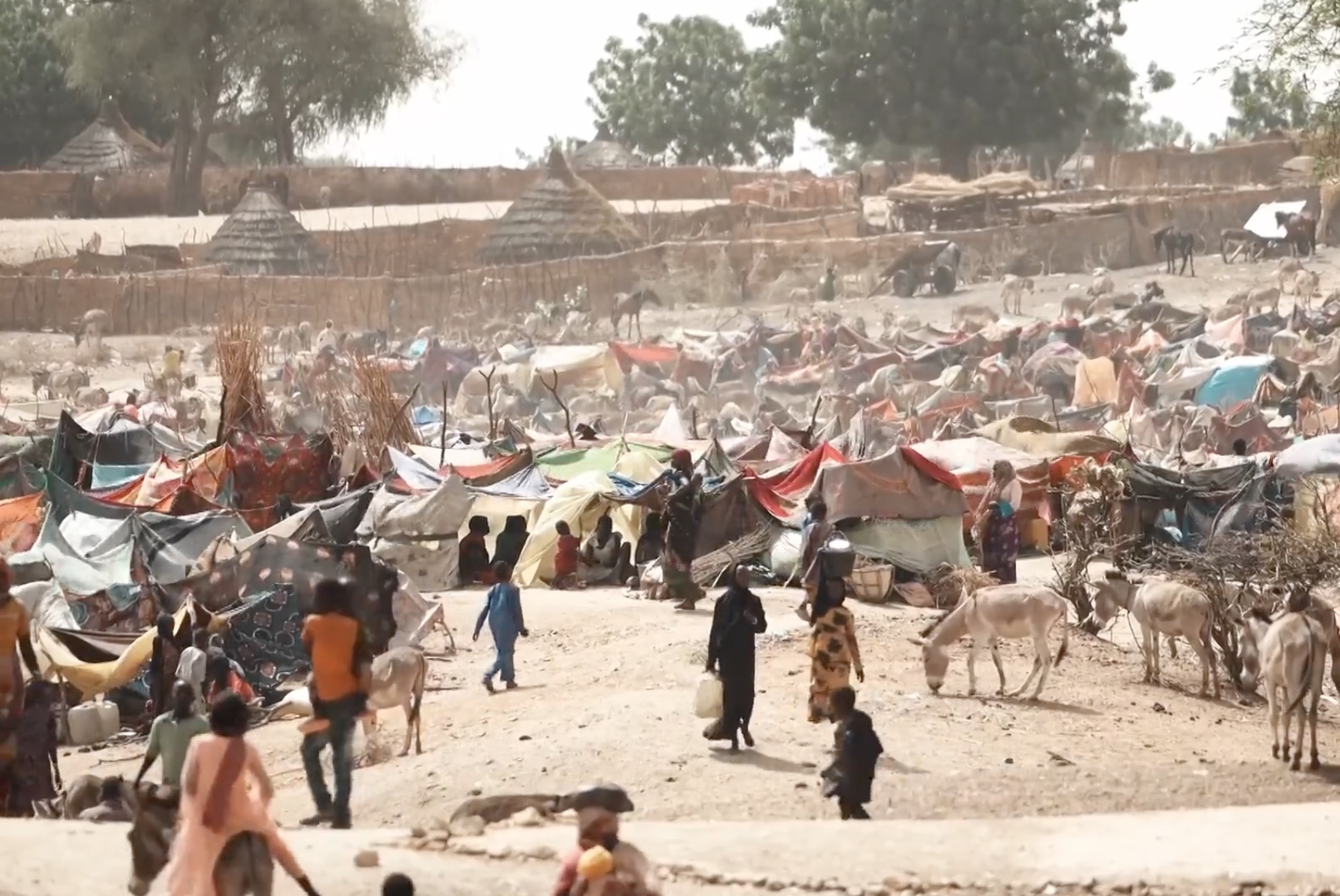
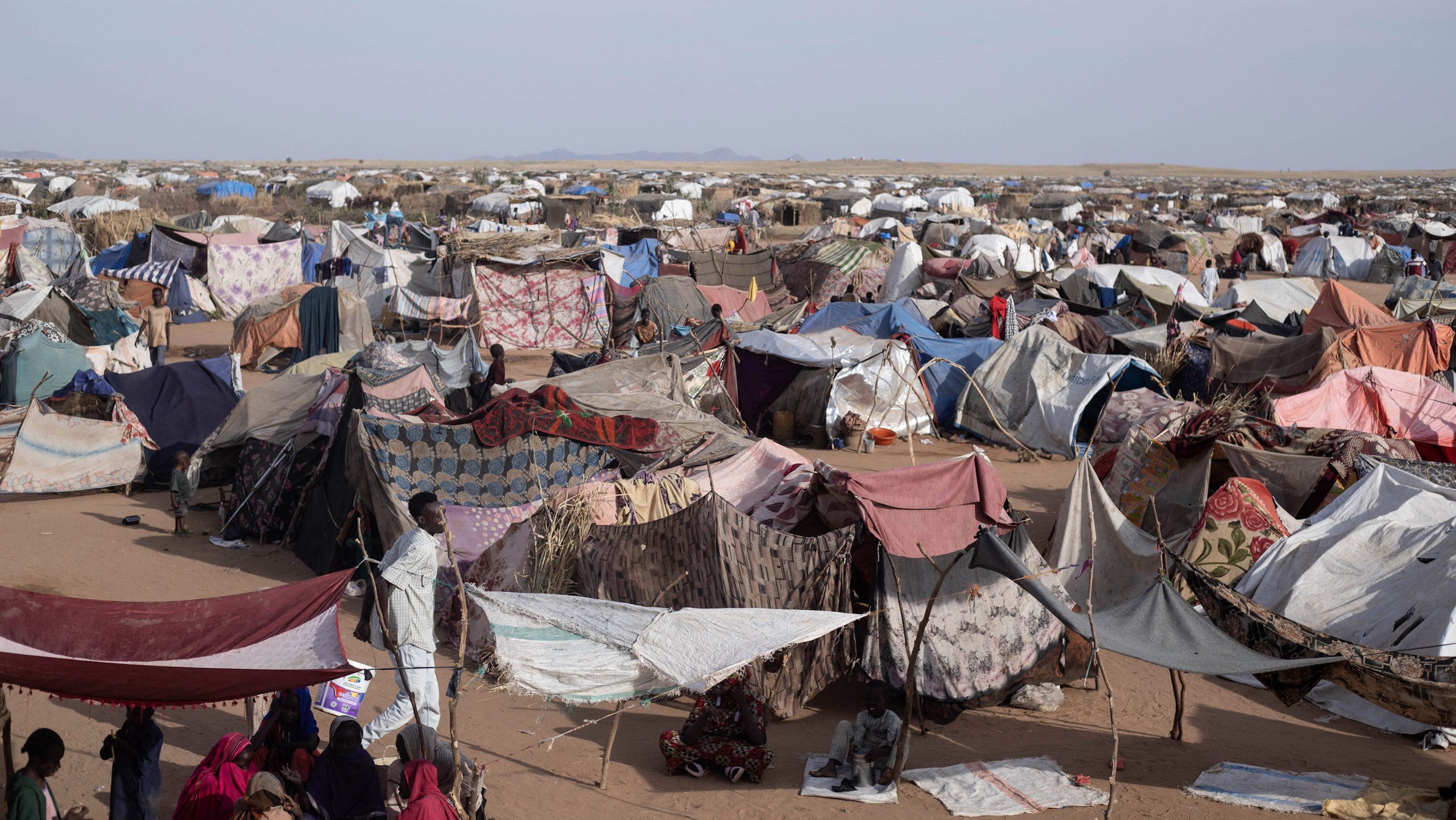
The humanitarian situation in Sudan continues to deteriorate at an alarming pace. Millions of people have been displaced internally, while others have fled to neighboring countries seeking safety. Displacement camps are overcrowded and underresourced, exposing residents to disease and malnutrition.
Humanitarian organizations stress that without progress in Sudan ceasefire talks, access to affected populations will remain severely limited. Aid convoys face security risks, and supply shortages are worsening. Children and elderly individuals are particularly vulnerable, facing long term health and developmental consequences.
International Diplomatic Efforts Intensify
Global diplomatic engagement has increased as the crisis deepens. The United States, regional African partners, and international organizations are working together to push for renewed negotiations. These efforts focus on persuading warring factions that continued fighting offers no sustainable outcome.
Diplomats emphasize that Sudan ceasefire talks are not merely symbolic. They are viewed as a practical necessity to stabilize the country and prevent further humanitarian collapse. International pressure has included calls for accountability, warnings of sanctions, and coordinated mediation initiatives.
Obstacles Undermining Ceasefire Progress
Despite growing pressure, ceasefire negotiations face serious challenges. Armed groups remain deeply distrustful of one another, shaped by past agreements that failed to hold. Accusations of ceasefire violations have eroded confidence, making new commitments difficult to secure.
Fragmented command structures further complicate Sudan ceasefire talks. Even when leaders reach agreements, enforcing compliance among fighters on the ground is often difficult. These realities underscore the importance of monitoring mechanisms and neutral oversight to support any potential agreement.
Regional and Global Consequences
Sudan’s conflict has significant implications beyond its borders. Neighboring countries are experiencing rising refugee flows that strain already limited resources. Trade disruptions have affected regional economies, and security concerns have increased along border areas.
The outcome of Sudan ceasefire talks will influence regional stability across parts of Africa. A prolonged conflict risks creating a ripple effect of instability, while a successful ceasefire could reduce humanitarian pressures and restore some degree of regional balance.
Economic Collapse Deepens Civilian Hardship
The war has devastated Sudan’s economy. Inflation has surged, the national currency has weakened, and unemployment has risen sharply. Businesses have closed, and many families have lost their primary sources of income.
Farmers are unable to plant or harvest crops safely, exacerbating food shortages. Progress through Sudan ceasefire talks could help restore economic activity by allowing markets to reopen and supply chains to recover. Without peace, economic recovery remains impossible.
Civilian Demands for an End to Fighting
Across Sudan, civilians and grassroots organizations continue to demand an immediate end to the violence. Many express frustration that political and military leaders remain locked in conflict while ordinary people suffer the consequences.
Civil society groups argue that Sudan ceasefire talks must include civilian voices and address governance reforms. Public trust will be essential for any agreement to succeed and endure. Without inclusivity, ceasefires risk collapsing under renewed tensions.
Pathway Toward Sustainable Peace
A ceasefire alone will not resolve Sudan’s deep political and social challenges. However, it represents a critical first step toward broader reform. Sustainable peace will require inclusive dialogue, accountability for abuses, and the rebuilding of national institutions.
If Sudan ceasefire talks succeed, they could open the door to a civilian led political transition. Such a shift would be essential for restoring confidence in governance and rebuilding a country devastated by years of instability.
The Cost of Failure
The cost of failure is severe. Continued fighting will deepen humanitarian suffering, increase displacement, and heighten the risk of famine. Regional instability will intensify, and international aid resources will be stretched even further.
Sudan ceasefire talks are widely viewed as a last opportunity to prevent irreversible damage. Each delay increases the human toll and makes recovery more difficult.
As violence escalates and humanitarian conditions worsen, Sudan ceasefire talks face unprecedented pressure. The stakes could not be higher for civilians, regional stability, and global humanitarian efforts.
While negotiations remain fragile, they offer the strongest hope for halting the violence and beginning the long process of rebuilding. The coming weeks will determine whether diplomacy can succeed in bringing relief to a nation on the brink.