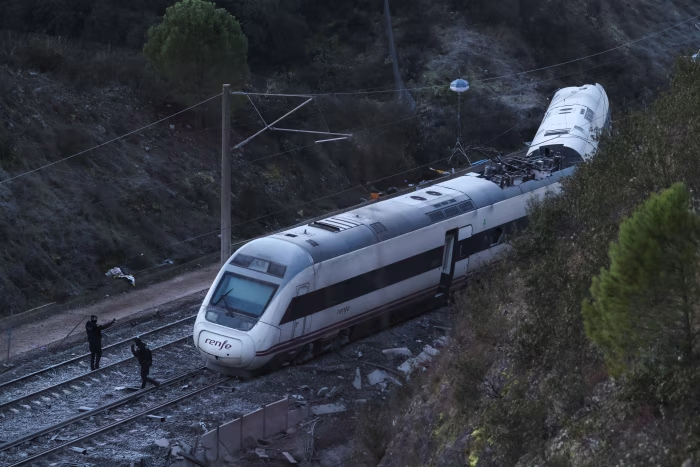
MADRID, January, 2026 — Brussels Morning Newspaper notes that the Spain train accident investigation has entered a decisive phase as Spanish authorities intensify technical, legal, and institutional scrutiny following a fatal derailment near the capital. The inquiry is unfolding amid heightened public attention and is expected to influence rail safety standards, infrastructure investment, and regulatory oversight across the country.
The derailment occurred on a heavily used passenger corridor serving the Madrid metropolitan region, triggering an immediate emergency response and widespread disruption. As investigators work methodically through physical evidence and operational data, the case has become a national test of transparency, engineering accountability, and public trust.
A Derailment That Shook Spain’s Transport System
The incident sent shock-waves through Spain’s rail network, long regarded as one of Europe’s safest. Passengers described sudden instability, followed by confusion and panic as the train left the tracks. Emergency services arrived quickly, evacuating the injured and securing the site before further risks could emerge.
The psychological impact extended far beyond those onboard. Commuters across the country questioned the reliability of infrastructure that had been considered dependable for decades, elevating the Spain train accident investigation into a defining public issue.
Emergency Response and Site Control Measures
Authorities acted swiftly to establish a security perimeter around the crash location. Rail traffic on the affected line was suspended, and alternative routes were arranged to limit wider disruption. Medical teams coordinated hospital transfers while fire crews inspected the area for secondary hazards.
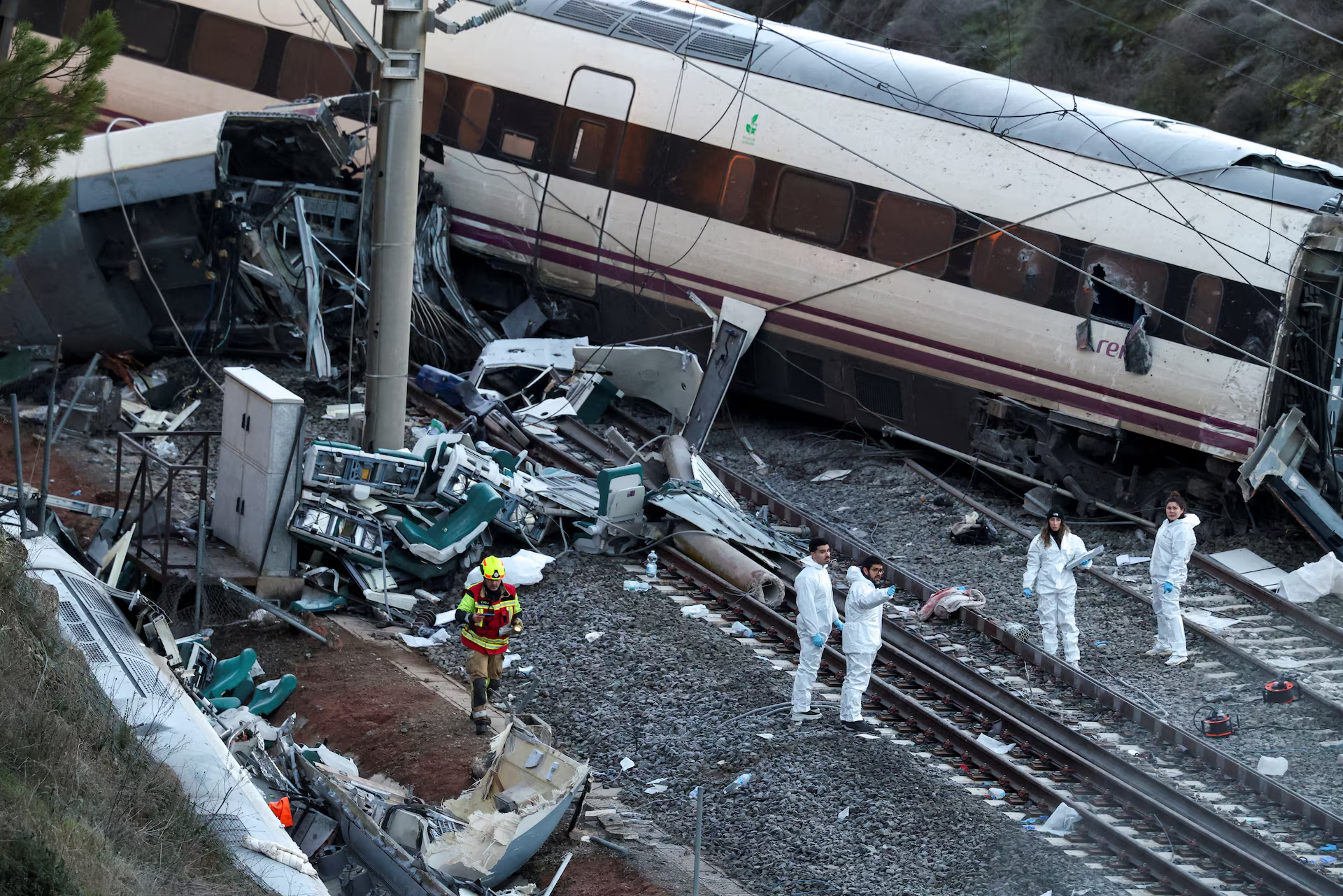
Preservation of evidence became an immediate priority. Investigators documented rail alignment, track components, and environmental conditions before any recovery operations began, ensuring that the Spain train accident investigation would be based on intact physical data.
How the Inquiry Was Organised
From the outset, officials outlined a multi-layered investigative framework. Technical experts were assigned to assess infrastructure and rolling stock, while safety regulators reviewed compliance records. Judicial authorities launched parallel assessments to determine whether legal accountability might arise.
Coordination between agencies has been presented as essential within the Spain train accident investigation, both to avoid fragmented conclusions and to maintain public confidence in the outcome.
Reconstructing the Final Moments Before Impact
Preliminary timelines suggest the train was operating within permitted parameters when it encountered instability along a specific stretch of track. Data from onboard systems is being used to reconstruct speed, braking inputs, and driver response in the moments leading up to the derailment.
Investigators have repeatedly cautioned against assuming a single cause, emphasizing that modern rail incidents often result from a convergence of technical and operational factors.
Track Integrity and Structural Examination
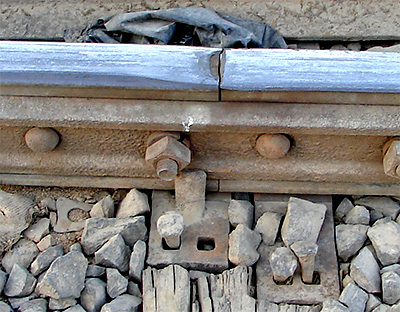
Engineering teams identified irregularities in track components near the derailment point, focusing on joints, fastenings, and alignment systems essential for stability at speed. Samples were removed for laboratory testing to assess metal fatigue, corrosion, and possible manufacturing defects.
Officials involved in the Spain train accident investigation say these findings will play a central role in determining whether the failure developed gradually or occurred abruptly.
Maintenance Oversight Comes Under Scrutiny
Attention has increasingly turned to inspection schedules and maintenance oversight. Spain’s rail network operates under strict protocols, but the incident has raised questions about whether inspection intervals adequately reflect rising traffic density and aging infrastructure.
As part of the Spain train accident investigation, authorities are reviewing years of maintenance records, contractor reports, and inspection logs to identify patterns that may have contributed to the derailment.
Operational Controls and Human Factors
Beyond infrastructure, investigators are examining operational procedures and human decision-making. Data from the train’s event recorder is being analysed to understand how onboard systems and crew responses interacted during the critical moments.
Officials stressed that modern rail safety depends on layered protections designed to compensate for individual error, a principle now under close examination in the Spain train accident investigation.
Signalling Systems and Automation Reliability
Signalling infrastructure is also under review, with specialists assessing whether automated alerts, speed controls, and communication protocols functioned as intended. These systems are designed to provide safeguards when physical components fail.
Experts note that while automation is highly reliable, it depends on accurate real-time data from track infrastructure, reinforcing the need for robust maintenance practices.
Regulatory Oversight and Institutional Accountability
The Ministry of Transport has pledged transparency as findings emerge, with independent safety bodies expected to review conclusions before recommendations are finalised. Lawmakers have called for a clear accounting of whether existing regulations sufficiently address modern operational demands.
Within the Spain train accident investigation, accountability is being assessed not only at the operational level but also across institutions responsible for setting and enforcing safety standards.
Public Confidence and Passenger Trust
The derailment has shaken public confidence in rail travel. Passenger groups have urged authorities to communicate clearly and ensure that investigative findings lead to visible safety improvements rather than procedural reassurances.
Analysts note that trust is essential to sustaining ridership and political support for long-term infrastructure investment, making public perception a critical factor as the Spain train accident investigation continues.
Political Debate and Parliamentary Attention
The incident has moved into the political arena, with parliamentary committees scheduling hearings on rail safety governance and funding priorities. Opposition figures argue the accident reflects broader infrastructure challenges, while government officials urge patience until technical conclusions are complete.
The Spain train accident investigation has become central to these debates, shaping discussions well beyond the transport sector.
European Attention and Network-Wide Implications
European transport agencies are closely monitoring developments, as Spain’s rail corridors form part of wider continental networks. Any safety recommendations could influence standards across borders.
Lessons emerging from the Spain train accident investigation may inform future EU-level discussions on predictive maintenance, climate resilience, and cross-border coordination.
Economic Impact of Disruption
Service suspensions affected commuter flows and freight schedules, requiring temporary rerouting and logistical adjustments. Rail operators reported manageable short-term losses but acknowledged that long-term confidence depends on transparent outcomes and credible reform.
Economists emphasise that infrastructure reliability plays a crucial role in regional economic stability.
Judicial Review and Legal Dimensions
Judicial authorities are working alongside technical experts to assess whether negligence, procedural failure, or regulatory breaches played any role. Rail cases often require extensive technical evidence before responsibility can be assigned.
Legal specialists suggest outcomes may focus more on systemic reform than individual culpability.
Technology and Prevention Looking Ahead
The derailment has renewed interest in advanced monitoring technologies, including real-time track sensors, AI-driven maintenance forecasting, and enhanced diagnostics. Experts argue these tools can complement traditional inspections and reduce risk across complex networks.
Such innovations are increasingly seen as essential to preventing future incidents highlighted by the Spain train accident investigation.
Communication Strategy and Transparency
Authorities have emphasised regular updates to maintain public confidence, balancing transparency with the need to avoid premature conclusions. Analysts say clear communication will be as important as technical accuracy in shaping public perception.
A Single Voice From the Inquiry
“Our responsibility is to identify every contributing factor so that rail travel remains safe and reliable for everyone,”
a source close to the investigation said.
Learning From Past Rail Incidents
Spain has experienced serious rail accidents before, each prompting reforms in safety standards and oversight. Analysts are comparing the current inquiry with past cases to assess whether earlier lessons were fully implemented.
History suggests meaningful reform often follows comprehensive investigations rather than immediate political reaction.
Long-Term Infrastructure Strategy
The derailment has reopened debate about long-term infrastructure planning. Aging components, climate stress, and rising demand place increasing pressure on maintenance budgets.
Policy experts argue that sustained investment, rather than reactive spending, is essential to preventing future incidents exposed by the Spain train accident investigation.
Workforce Training and Safety Culture
Attention has also turned to workforce training and organisational culture. Engineers, drivers, and maintenance crews operate within systems that depend on continuous learning and vigilance.
Strengthening safety culture requires both institutional support and individual accountability.
What the Coming Months May Deliver
Authorities are expected to release phased findings followed by comprehensive conclusions and recommendations. These may include revised inspection intervals, updated standards, and targeted infrastructure upgrades.
Officials have indicated reforms will be considered regardless of whether fault is attributed to a single cause within the Spain train accident investigation.
Public Expectations as the Inquiry Continues
Public sentiment reflects a mix of patience and urgency. Families, commuters, and policymakers continue to seek answers, with expectations that lessons learned will translate into lasting change.
The Spain train accident investigation remains under intense scrutiny as Spain looks to restore confidence in its rail system.
A Turning Point for Rail Safety Governance in Spain
The derailment near Madrid represents more than an isolated tragedy. It marks a pivotal moment for Spain’s rail system, testing the strength of its engineering practices, regulatory framework, and commitment to transparency.
As conclusions emerge, the outcome of the Spain train accident investigation is likely to shape national rail policy, infrastructure investment, and passenger confidence for years to come.